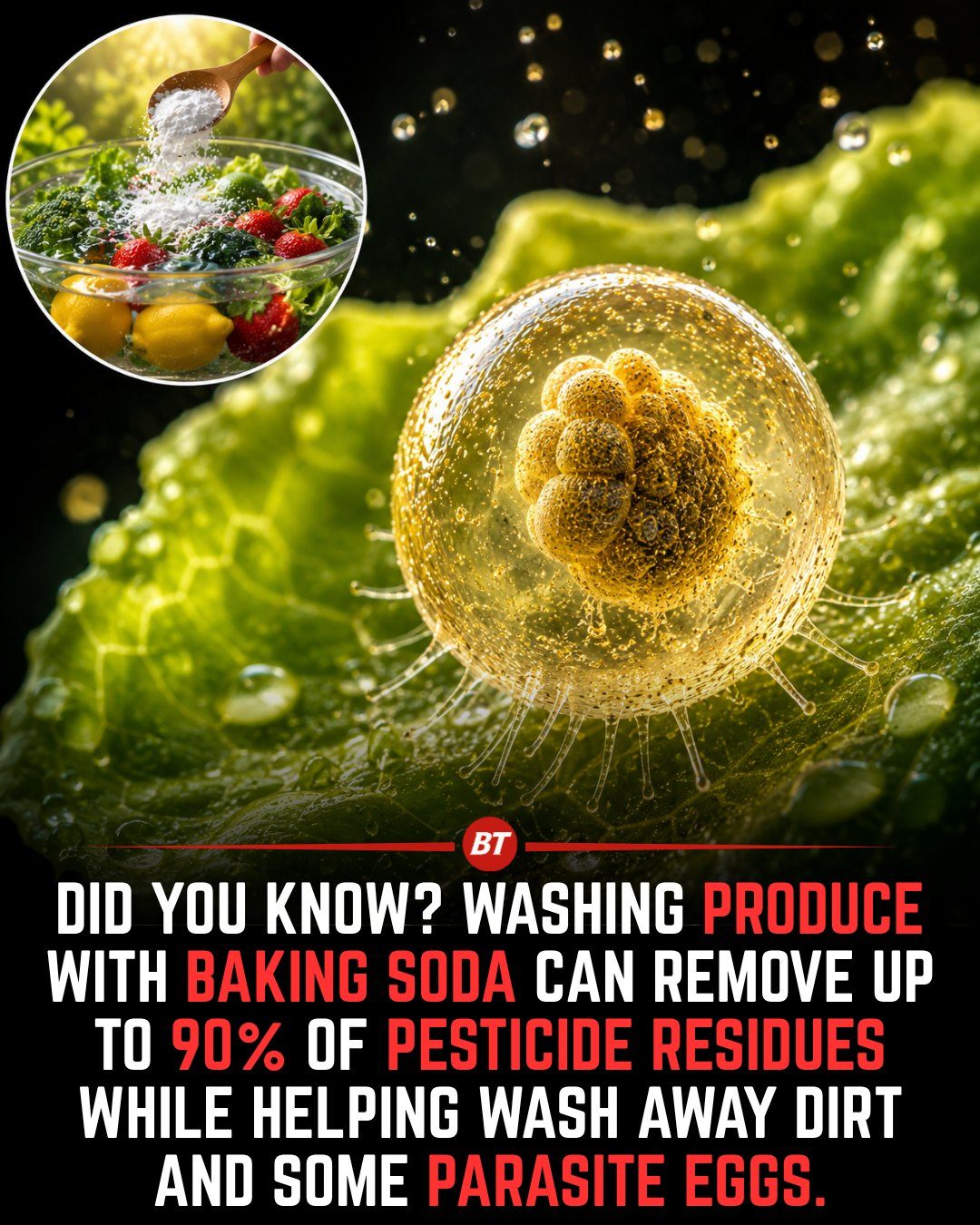
Produce Washing with Baking Soda
When it comes to food safety, one of the most common practices is to rinse produce under running water to remove dirt, bacteria, and surface debris. However, certain pesticide residues can be more stubborn, clinging tightly to the skin of fruits and vegetables. Recent research has shed light on a simple yet effective method to tackle this issue: using baking soda to soak produce.
Why This Matters
Pesticides are widely used in agriculture to protect crops from pests and diseases. While they are effective in increasing crop yields, they can leave behind residues on fruits and vegetables. These residues can be harmful if consumed regularly, making it crucial to find effective washing methods. This is where baking soda comes into play.
Main Discussion
The Effectiveness of Baking Soda
Researchers from the University of Massachusetts conducted studies to determine the effectiveness of using a baking soda solution to remove pesticides from produce. Their findings were significant: soaking apples in a 1% baking soda solution for 12–15 minutes removed up to 80–96% of certain surface pesticide residues. This method proved to be much more effective than plain water or a bleach-based produce wash.
How Baking Soda Works
Baking soda works by breaking down some pesticide molecules on the surface of the fruit. While it is highly effective for surface residues, it's important to note that no washing method can remove pesticides that have already penetrated beneath the skin of the produce. Baking soda can also help remove dirt, wax, and some microorganisms or parasite eggs that may be present on the surface, although it should not be relied upon as a sterilization method.
Common Methods vs. Baking Soda Soak
Most people rinse their produce under running water, which helps wash away dirt, bacteria, and surface debris. This method is quick and easy, but it may not be enough to remove all pesticide residues. Baking soda, on the other hand, provides a deeper clean by helping to break down and remove more of these residues.
The Science Behind the Method
The science behind using baking soda for washing produce lies in its chemical properties. Baking soda, or sodium bicarbonate, is a mild alkali that can react with certain pesticides, breaking them down and making them easier to rinse off. This chemical reaction is what makes baking soda so effective in removing pesticide residues.
Types of Produce
Not all fruits and vegetables require the same level of washing. Firm produce such as apples, cucumbers, grapes, or peppers can be soaked in a baking soda solution for 10–15 minutes. Delicate fruits like berries, however, should simply be rinsed gently to avoid damage. This method ensures that the produce is cleaned effectively without compromising its quality.
Practical Tips
How to Do It
Mix 1 teaspoon of baking soda with 2 cups of water. Soak firm produce such as apples, cucumbers, grapes, or peppers for 10–15 minutes. Rinse them thoroughly under clean running water before eating. For delicate fruits like berries, a gentle rinse is all that is necessary to avoid damage.
What to Wash
While baking soda is effective for many types of produce, it is especially useful for fruits and vegetables that are typically sprayed with pesticides. Common items to consider washing with baking soda include apples, cucumbers, grapes, and peppers.
Storage and Use
Baking soda is a common household item that is inexpensive and readily available. It is non-toxic and generally safe for use on most produce. Make sure to use fresh baking soda for maximum effectiveness, as it can lose its potency over time.
Important Takeaways
While baking soda is a powerful tool for removing pesticide residues from produce, it is not a foolproof method. It is important to remember that baking soda can only remove surface residues and will not affect pesticides that have penetrated the skin of the produce. Additionally, baking soda should not be relied upon as a sterilization method, as it cannot remove all microorganisms or parasite eggs.
Conclusion
Washing produce with a baking soda solution is a simple yet effective way to remove pesticide residues and ensure a deeper clean. This method works by breaking down pesticide molecules on the surface of the fruit, making it a powerful tool for those looking to reduce their exposure to harmful chemicals. Whether you're a health-conscious consumer or simply looking to improve your food safety practices, incorporating a baking soda soak into your produce washing routine can make a significant difference.
Watch the Reel
Questions readers ask
How does baking soda help in removing pesticides from produce?
Baking soda works by breaking down the bond between the pesticide residue and the surface of the fruit or vegetable. When produce is soaked in a baking soda solution, the alkaline nature of baking soda helps to loosen and dissolve these residues, making them easier to rinse off.
What is the optimal concentration and soaking time for a baking soda produce soak?
To effectively remove pesticide residues, use a 1% baking soda solution. This means mixing 1 teaspoon of baking soda into 1 liter of water. Soak your produce in this solution for 12-15 minutes. This duration allows the baking soda to effectively break down and remove the residues.
Can I use this method for all types of produce?
Yes, this method can be used for all types of fruits and vegetables. However, it is important to note that produce with a delicate skin, such as berries, may be more prone to bruising during the soaking process. For these items, a gentler method or a shorter soaking time may be necessary.
Is it safe to consume produce washed with a baking soda solution?
Yes, it is safe to consume produce that has been washed with a baking soda solution. Baking soda is a common food ingredient and is generally recognized as safe by food safety authorities. However, ensure to rinse the produce thoroughly with clean water after the soak to remove any remaining baking soda residue.
How should I prepare the baking soda solution for washing produce?
To prepare the baking soda solution, dissolve 1 teaspoon of baking soda into 1 liter of water. Stir until the baking soda is completely dissolved. Fill a bowl with the solution and submerge your produce for 12-15 minutes. After soaking, rinse the produce thoroughly with clean water before consuming.
What are the benefits of using a baking soda soak over just rinsing produce under water?
Rinsing produce under running water can remove surface dirt and debris, but it may not effectively remove pesticide residues that have penetrated the skin. A baking soda soak, on the other hand, can remove up to 96% of certain pesticide residues. This makes it a more effective method for ensuring that your produce is clean and safe to consume.
Can I reuse the baking soda solution for multiple washings?
It is not recommended to reuse the baking soda solution for multiple washings. As you soak produce in the solution, it can become contaminated with dirt, bacteria, and pesticide residues. For food safety, it is best to prepare a fresh baking soda solution each time you wash your produce.
Related deep dives
Similar reads based on topic and creator.




Recent articles
Fresh deep dives from the latest Reels we unpacked.




Comments
Be the first to comment.