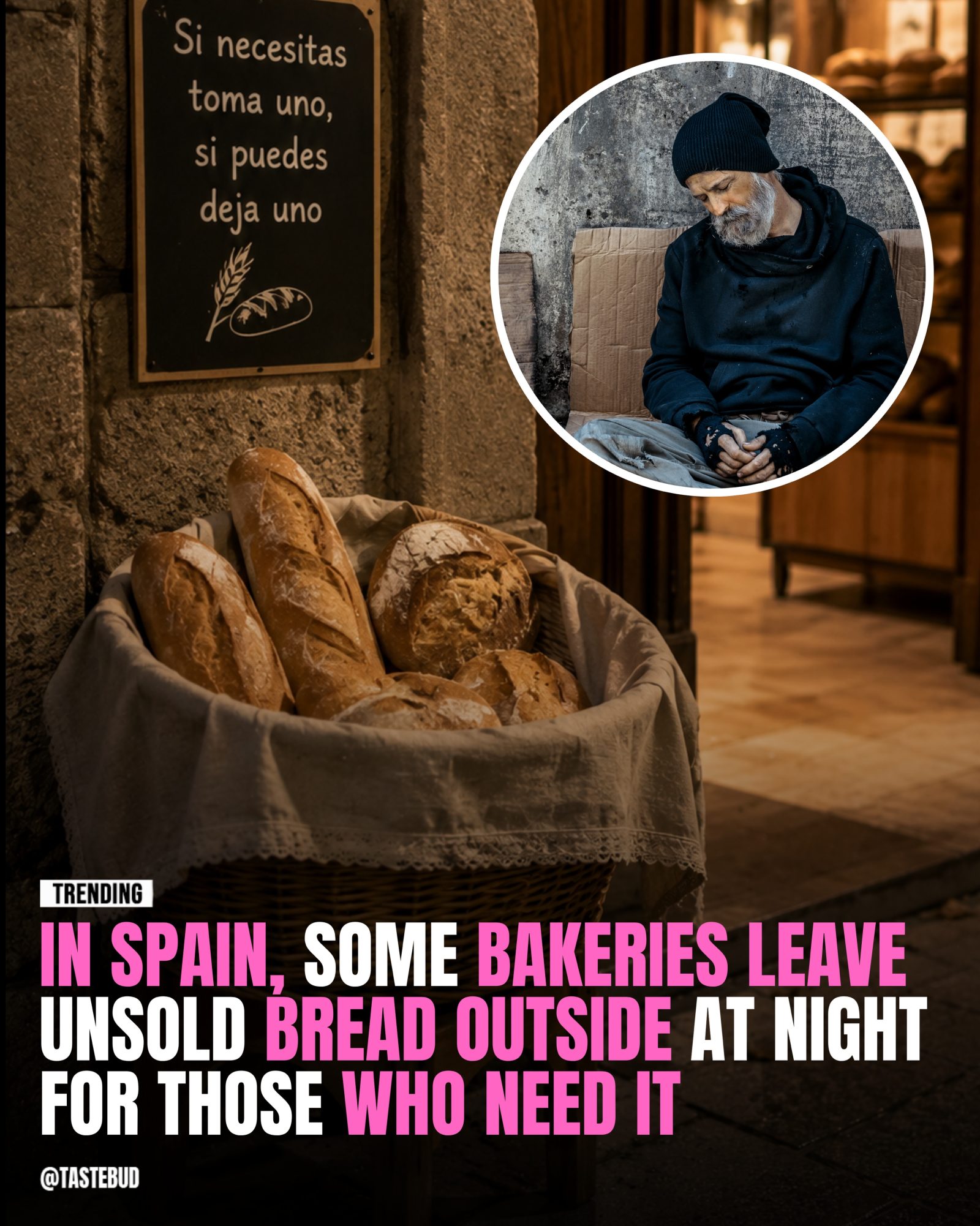
Bakeries in Spain and across Europe are taking a commendable approach to reducing food waste by leaving unsold bread outside for those in need. This simple yet effective initiative aims to minimize waste and preserve the dignity of individuals who might otherwise struggle to afford food. With large amounts of bread wasted each year, such practices are gaining traction and serving as a model for other communities.
Why This Matters
Food waste is a global issue with significant environmental and economic implications. According to the United Nations, approximately one-third of the food produced for human consumption is wasted or lost each year. This waste not only contributes to greenhouse gas emissions but also represents a squandering of resources used in food production, including water, land, and energy. By addressing food waste, communities can make a meaningful contribution to sustainability and food security.
In Spain, some bakeries have adopted a straightforward solution: leaving unsold bread outside in bags or public baskets. This practice allows those in need to take the bread quietly, ensuring that it doesn't go to waste while also preserving the dignity of those who benefit from it. The initiative is particularly impactful in urban areas where food insecurity might be more prevalent.
The Mechanics of Bread Sharing
The process is simple and respectful. Unsold bread is placed in bags or baskets near the bakery entrance or in a designated area. A sign often accompanies the bread, with a message similar to "Si necesitas toma uno, si puedes deja uno," which translates to "If you need, take one, if you can, leave one." This sign fosters a sense of community and mutual support, encouraging those who can to contribute to the shared resource.
The practice not only reduces food waste but also provides a discreet way for individuals to access much-needed food without feeling stigmatized. By making the bread available in a non-judgmental manner, bakeries create a safe and respectful environment for people in need. Additionally, this approach helps to build trust within the community, fostering a culture of sharing and support.
Benefits and Challenges
Environmental Impact
By reducing food waste, bakeries contribute to environmental sustainability. Bread that would otherwise be discarded is instead consumed, reducing methane emissions from landfills and conserving resources used in bread production. This small change can add up to significant environmental benefits when adopted on a larger scale.
Community Support
The initiative also strengthens community bonds. By offering a discreet and dignified way to access food, bakeries help to combat food insecurity and foster a sense of mutual support. This practice can alleviate some of the social and economic pressures faced by individuals and families in need.
Challenges and Considerations
While the benefits are clear, there are also challenges to consider. Ensuring the bread remains safe for consumption is crucial. Bakers must adhere to strict food safety guidelines to prevent contamination and ensure the bread is fit for consumption. Additionally, not all communities may have the resources or local support to implement such a program effectively.
Practical Tips
If you're a bakery owner considering this initiative, here are some practical tips to get started:
Planning and Implementation
- Assess Needs: Determine the demand for the bread within your community. Engage with local organizations and charities to understand the need better.
- Choose a Location: Select a safe and accessible location for the bread. Ensure the area is well-lit and secure to prevent contamination or theft.
- Communicate Clearly: Use clear signage to inform the public about the initiative. Explain the purpose and encourage people to leave bread if they can.
- Maintain Food Safety: Follow food safety guidelines to ensure the bread remains safe for consumption. Regularly replace old bread and keep the area clean.
Engaging the Community
- Partner with Local Organizations: Collaborate with local charities, food banks, and community centers to spread awareness and ensure the initiative reaches those in need.
- Encourage Participation: Foster a culture of sharing and support within your community. Encourage customers and locals to contribute if they can.
- Monitor and Adjust: Regularly monitor the effectiveness of the initiative and make adjustments as needed. Gather feedback from the community to improve the program.
Important Takeaways
Bakeries in Spain and across Europe are leading the way in addressing food waste and food insecurity. By leaving unsold bread outside, they not only reduce waste but also provide a discreet and dignified way for individuals in need to access food. This initiative serves as a model for other communities and businesses looking to make a positive impact.
The practice highlights the importance of community support and mutual aid. By fostering a culture of sharing and respect, bakeries can build stronger, more resilient communities. As more places adopt this approach, the collective impact on food waste and food security could be substantial.
Conclusion
Leaving unsold bread outside for those in need is a simple yet powerful initiative that benefits both the environment and the community. By reducing food waste and providing a discreet way to access food, bakeries in Spain and across Europe are setting a commendable example. This practice serves as a reminder that even small changes can make a significant difference in addressing broader societal challenges. As more communities embrace this initiative, the collective impact could be transformative, fostering a culture of sharing and support while contributing to a more sustainable future.
Watch the Reel
Questions readers ask
How do Spanish bakeries ensure the dignity of individuals receiving the bread?
Spanish bakeries typically leave the unsold bread outside in a discrete manner, often in a designated box or area. This approach allows individuals to take the bread without feeling singled out or embarrassed, preserving their dignity.
What are the environmental benefits of these nightly bread giveaways?
By redistributing unsold bread, these bakeries reduce the amount of food waste that ends up in landfills, thereby decreasing methane emissions and contributing to lower greenhouse gas levels. This sustainable practice promotes a greener environment.
How do these initiatives help local communities?
Nightly bread giveaways foster community support by providing food security to those in need. They also encourage a sense of solidarity and mutual aid, as neighbors and locals can rely on this resource during difficult times.
What other initiatives can bakeries take to further reduce food waste?
In addition to nightly giveaways, bakeries can implement measures like adjusting inventory based on demand, using leftover bread in new products, and partnering with local charities for food redistribution. These steps can further minimize waste and maximize resource use.
Are there similar initiatives in other countries?
Yes, similar bread giveaway initiatives are gaining popularity in various countries. For example, some bakeries in the UK and France also leave unsold bread for those in need, inspired by the success of such programs in Spain.
What are the economic implications of food waste for bakeries?
Food waste can lead to significant financial losses for bakeries due to the costs associated with production, storage, and disposal. Redistributing unsold bread not only reduces waste but also helps bakeries save on disposal costs and potentially attract more customers who appreciate their sustainability efforts.
How can local residents support these initiatives?
Local residents can support these initiatives by spreading awareness about the giveaways, encouraging local bakeries to participate, and even volunteering to help with the distribution process. Additionally, they can share information on social media to reach a wider audience and promote community involvement.
Related deep dives
Similar reads based on topic and creator.




Recent articles
Fresh deep dives from the latest Reels we unpacked.




Comments
Be the first to comment.