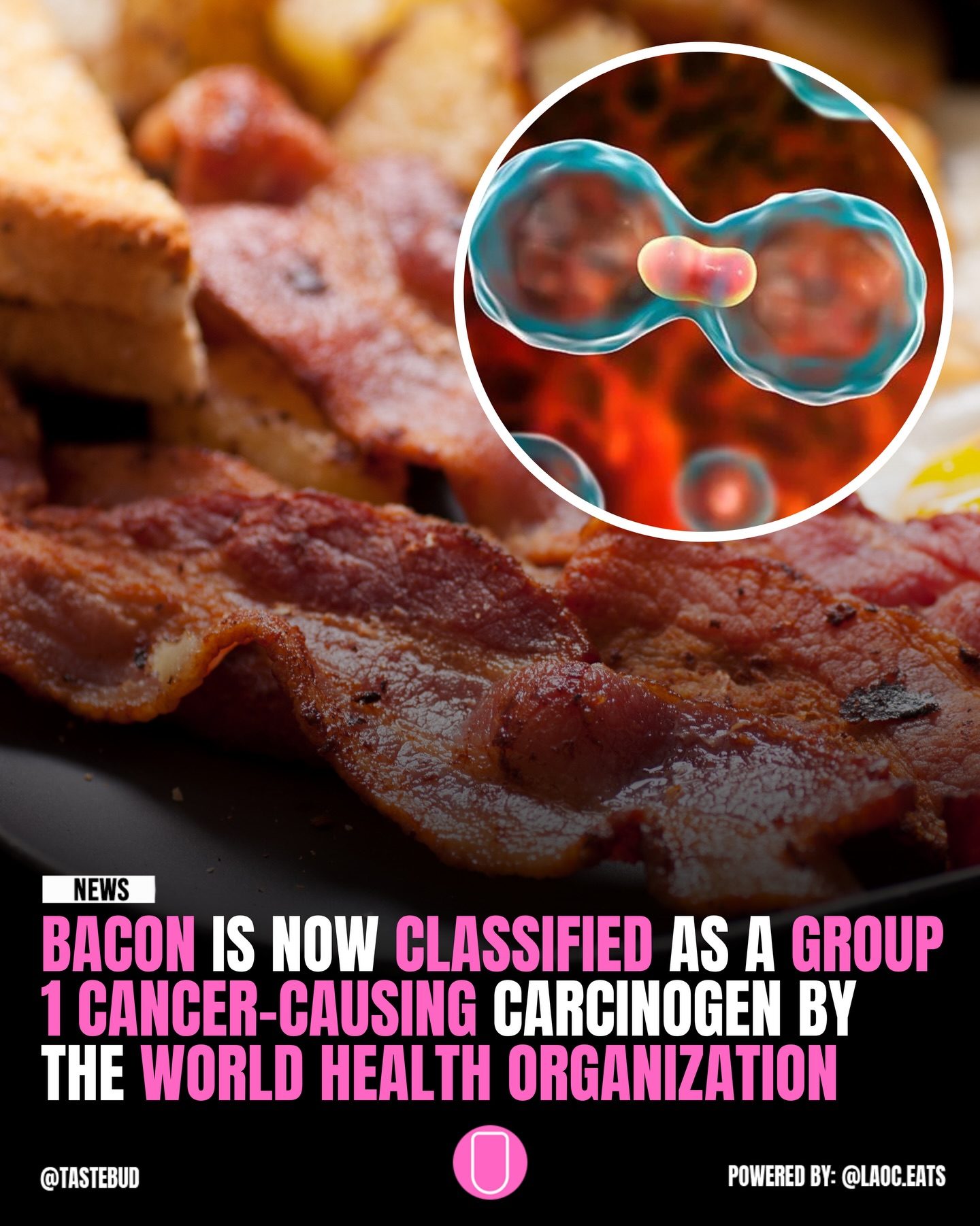
Bacon and Cancer Risk
Bacon, a beloved breakfast staple for many, has recently been a topic of discussion due to its classification as a Group 1 carcinogen by the World Health Organization (WHO). This classification indicates that there is strong evidence linking processed meats, like bacon, to an increased risk of certain cancers, particularly colorectal cancer. Understanding the implications of this classification can help you make informed decisions about your diet and overall health.
Context / Why This Matters
The WHO's classification of processed meats as Group 1 carcinogens places them in the same category as substances like tobacco and asbestos. However, it is important to note that this classification does not equate the level of risk associated with these substances. Instead, it signifies that there is sufficient evidence to indicate a causal relationship between processed meat consumption and cancer development.
Processed meats, including bacon, are subjected to various preservation methods such as smoking, curing, or the addition of nitrates and nitrites. These processes can form compounds that, when cooked at high temperatures, may produce chemicals linked to DNA damage and inflammation. Over time, frequent consumption of these processed meats can potentially raise long-term health risks.
Main Discussion
Understanding the Classification
The WHO's classification is based on extensive research and epidemiological studies that have shown a correlation between processed meat consumption and an increased risk of colorectal cancer. Group 1 carcinogens are those for which there is sufficient evidence in humans that the agent causes cancer. This classification does not mean that every person who eats bacon will develop cancer, but it does suggest that regular consumption can increase the risk.
The Role of Processing Methods
Bacon is considered a processed meat because of the methods used to preserve and flavor it. Smoking, curing, and the addition of nitrates and nitrites are common practices in bacon production. While these methods enhance the flavor and extend the shelf life of the meat, they also introduce compounds that can be harmful when consumed in excess.
When bacon is cooked at high temperatures, these compounds can form chemicals such as nitrosamines and heterocyclic amines (HCAs). Nitrosamines are known to cause DNA damage, which can lead to the development of cancer. HCAs, on the other hand, are formed when meat is cooked at high temperatures and can also contribute to DNA damage and inflammation.
The Link to Colorectal Cancer
Colorectal cancer is the third most common cancer worldwide and is closely linked to dietary factors, including the consumption of processed meats. Studies have shown that individuals who consume large amounts of processed meats have a higher risk of developing colorectal cancer compared to those who consume smaller amounts or avoid processed meats altogether.
The risk is compounded by the fact that processed meats are often high in sodium and saturated fats, which can contribute to other health issues such as high blood pressure and heart disease. Additionally, the high intake of red and processed meats can lead to weight gain and obesity, which are also significant risk factors for colorectal cancer.
Practical Tips
Moderation and Variety
Incorporating bacon into your diet in moderation is key. Opt for leaner protein sources like poultry, fish, and plant-based proteins more often. When you do indulge in bacon, consider portion control and pair it with nutrient-dense foods like whole grains, vegetables, and fruits. By doing so, you can reduce the overall impact of processed meats on your health.
Cooking Methods
The way you prepare bacon can also make a difference. Cooking bacon at lower temperatures and for shorter periods can help reduce the formation of harmful compounds. Additionally, removing excess fat and avoiding charring can minimize the intake of carcinogenic substances.
Balancing Your Diet
A balanced diet rich in fruits, vegetables, whole grains, and lean proteins can help offset the potential risks associated with processed meat consumption. Foods high in fiber, antioxidants, and other beneficial compounds can support your overall health and reduce the risk of various diseases, including cancer.
Important Takeaways
Understanding the classification of processed meats like bacon as Group 1 carcinogens by the WHO is crucial for making informed dietary choices. While moderate consumption of bacon can be part of a balanced diet, it is essential to be aware of the potential risks and take steps to mitigate them. Opt for leaner protein sources, practice portion control, and choose healthy cooking methods to maintain your health and well-being.
Conclusion
Processed meats, including bacon, have been classified as Group 1 carcinogens by the WHO due to strong evidence linking their consumption to an increased risk of colorectal cancer. The methods used to preserve and flavor these meats, such as smoking, curing, and the addition of nitrates and nitrites, contribute to the formation of harmful compounds. By understanding these risks and making informed dietary choices, you can enjoy your favorite foods while prioritizing your health.
Watch the Reel
Questions readers ask
What does the WHO's classification of bacon as a Group 1 carcinogen mean?
The WHO's classification indicates that there is strong evidence linking processed meats, like bacon, to an increased risk of certain cancers, particularly colorectal cancer. This means that frequent consumption of bacon may pose long-term health risks.
How does the cancer risk from bacon compare to other substances in the same category?
While bacon is in the same category as substances like tobacco and asbestos, this does not mean the risk level is the same. The classification simply indicates a strong link to cancer, but the actual risk level is much lower than these other substances.
What types of cancer are linked to bacon consumption?
The primary concern with bacon consumption is an increased risk of colorectal cancer, as indicated by the WHO's classification. This specific type of cancer is strongly associated with the consumption of processed meats, including bacon.
Are all processed meats as risky as bacon?
Yes, the WHO's classification applies to all processed meats, not just bacon. This includes other foods like ham, sausages, and hot dogs. The risks associated with these foods are similar due to their processing methods and the compounds they contain.
What steps can I take to reduce my risk of cancer from bacon and other processed meats?
To reduce your risk, consider moderating your intake of bacon and other processed meats. Incorporate more fruits, vegetables, and whole grains into your diet. Health organizations also recommend limiting processed meat consumption to improve overall health.
Does the WHO recommend completely avoiding bacon?
The WHO does not explicitly recommend complete avoidance, but rather suggests moderation. It's important to be mindful of your consumption of processed meats and to make informed choices about your diet and overall health.
What are some healthier alternatives to bacon?
Healthier alternatives to bacon include lean proteins like chicken, turkey, or plant-based options such as tempeh or tofu. You can also consider cooking with herbs and spices to enhance the flavor of your meals without relying on processed meats.
Related deep dives
Similar reads based on topic and creator.



Recent articles
Fresh deep dives from the latest Reels we unpacked.




Comments
Be the first to comment.