Bacon and Cancer Risk
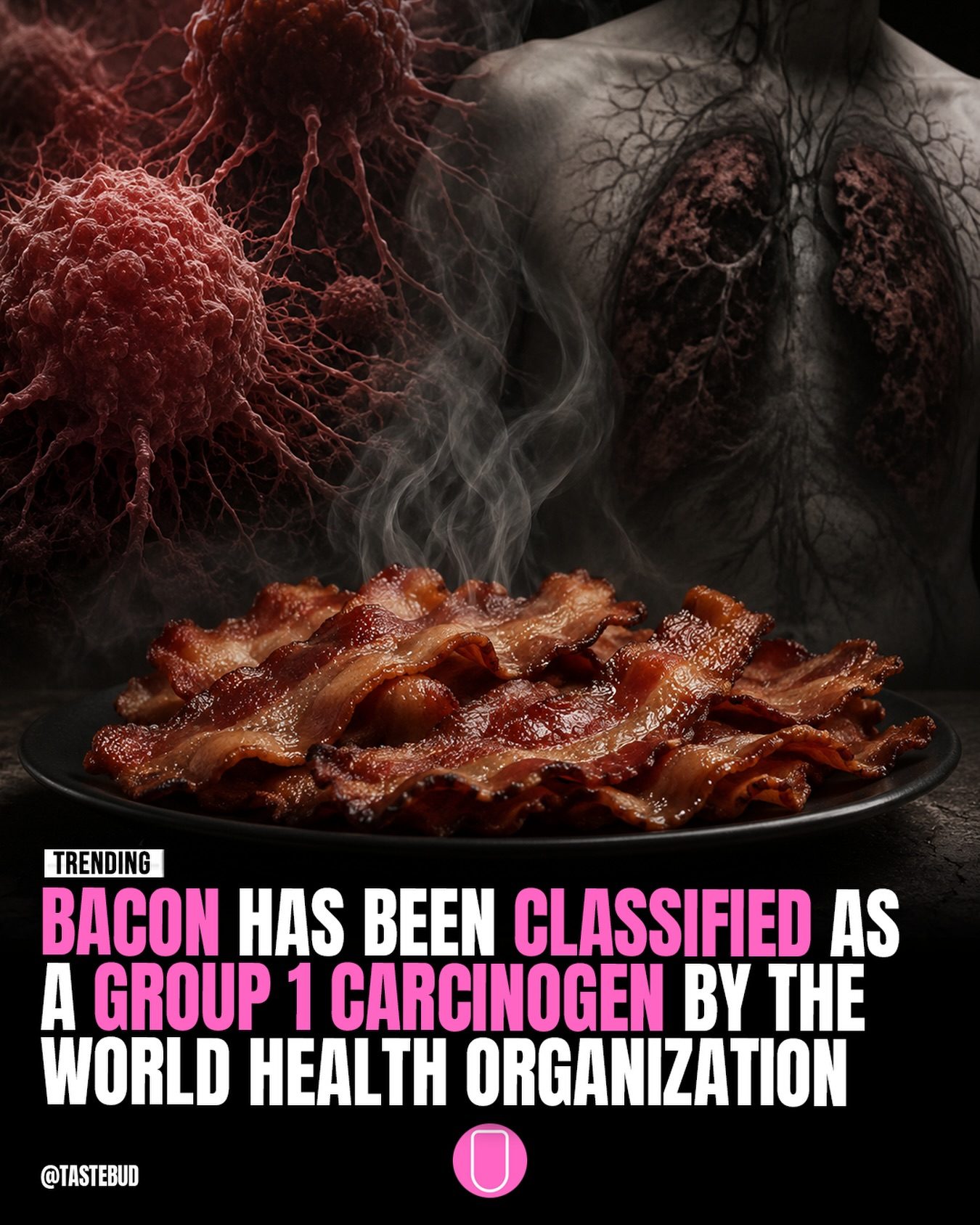
Bacon, a beloved breakfast staple, has been classified as a Group 1 carcinogen by the World Health Organization. This classification indicates that there is strong evidence linking processed meats, including bacon, to an increased risk of colorectal cancer. However, it's essential to understand what this classification means and how it should influence our dietary choices.
Context / Why this matters
The World Health Organization (WHO) uses the term "Group 1 carcinogen" to describe substances for which there is sufficient evidence of carcinogenicity in humans. This classification is based on extensive research and data analysis, but it does not mean that bacon carries the same level of risk as substances like tobacco. Instead, it indicates that consuming processed meats, including bacon, can increase the risk of certain cancers, particularly colorectal cancer.
Main discussion
Understanding the classification
When the WHO classifies a substance as a Group 1 carcinogen, it means that there is sufficient evidence from epidemiological studies, which can include case-control and cohort studies, to prove that the substance is carcinogenic to humans. In the case of processed meats, the evidence comes from studies showing an increased risk of colorectal cancer with higher consumption of these meats.
While bacon falls into this category, it is crucial to recognize that the risk is not as high as that posed by substances like tobacco or asbestos. Tobacco, for instance, is a known cause of multiple types of cancer, whereas the link between processed meats and cancer is primarily related to colorectal cancer.
The role of moderation
Experts emphasize that moderation and overall diet play a key role in managing risk. This means that enjoying bacon occasionally as part of a balanced diet is less concerning than consuming large amounts of processed meats regularly.
Comparing risks
To put the risk into perspective, it's helpful to compare the carcinogenic potential of different substances. Tobacco, for example, is estimated to cause about 22% of cancer deaths globally, making it the single most preventable cause of cancer. In contrast, processed meats contribute to a smaller but still significant portion of colorectal cancer cases. According to the WHO, each 50-gram portion of processed meat eaten daily increases the risk of colorectal cancer by about 18%.
Other factors to consider
It's important to note that diet is just one factor in cancer risk. Other lifestyle factors, such as physical activity, alcohol consumption, and smoking, also play significant roles. Additionally, genetic predisposition and environmental factors can influence cancer risk. Therefore, a balanced approach to diet and lifestyle is essential for overall health.
Practical tips
If you enjoy bacon, it's not necessary to eliminate it from your diet entirely. However, there are practical steps you can take to manage your risk:
Limit consumption
Instead of having bacon every day, try to limit your consumption to a few times a week or less. This can help reduce your overall exposure to the potential carcinogens in processed meats.
Opt for healthier alternatives
Consider swapping out bacon for leaner, less-processed proteins like grilled chicken, turkey, or fish. These options can provide essential nutrients without the added risks.
Incorporate fiber and antioxidants
A diet rich in fiber, fruits, and vegetables can help lower your risk of colorectal cancer. These foods provide essential nutrients and antioxidants that support overall health and reduce the impact of harmful substances.
Stay informed
Keep up with the latest research on diet and cancer risk. Organizations like the World Health Organization and the American Cancer Society regularly update their guidelines based on new evidence, and staying informed can help you make better choices.
Important takeaways
The classification of bacon as a Group 1 carcinogen should be understood as a reminder to consume processed meats in moderation. While the risk is not as high as that of tobacco, it is still significant, particularly for colorectal cancer. By taking practical steps to limit your consumption of processed meats and focusing on a balanced, nutritious diet, you can help manage your risk and support overall health.
Conclusion
Bacon's classification as a Group 1 carcinogen by the World Health Organization highlights the importance of understanding the risks associated with processed meats. By being mindful of your consumption and adopting healthier dietary habits, you can enjoy your favorite foods while minimizing potential health risks. Moderation, a balanced diet, and an overall healthy lifestyle are key to managing your cancer risk and promoting well-being.
Watch the Reel
Questions readers ask
What does the WHO's Group 1 carcinogen classification mean for bacon?
The WHO's Group 1 carcinogen classification for bacon indicates that there is substantial evidence linking its consumption to an increased risk of colorectal cancer. This classification is based on thorough research and data. It does not mean bacon is as hazardous as other Group 1 substances like tobacco or asbestos.
What types of cancer are associated with bacon consumption?
The primary type of cancer associated with bacon consumption is colorectal cancer. This is because bacon is a processed meat, and the nitrates and nitrites used in processing can potentially form cancer-causing compounds in the body.
How much bacon is too much?
Regular consumption of bacon, even in small amounts, can potentially increase cancer risk. The WHO recommends limiting the intake of processed meats, including bacon, as part of a balanced diet.
What other foods are in the same carcinogen group as bacon?
Other foods in the same Group 1 carcinogen category as bacon include various processed meats such as sausages, hot dogs, and deli meats. These foods have also been linked to an increased risk of certain cancers due to their processing methods.
What can I do to reduce the health risks associated with bacon?
To reduce the health risks associated with bacon, consider limiting your intake and opting for healthier alternatives. If you do consume bacon, try to incorporate it into a diet rich in fruits, vegetables, and whole grains, which can contribute to overall health and well-being.
Does cooking method affect the cancer risk of bacon?
Cooking methods that involve high temperatures, such as frying or grilling, can potentially increase the formation of harmful compounds in bacon. Opting for gentler cooking methods, like boiling or baking, may help to reduce these risks, but it is still important to limit your overall consumption of processed meats.
Related deep dives
Similar reads based on topic and creator.



Recent articles
Fresh deep dives from the latest Reels we unpacked.




Comments
Be the first to comment.