Baby Sleep Guide: Healthy Sleep Habits for 0–12 Months
Sleep is crucial for a baby's development, as it supports brain growth, learning, and emotional well-being. Establishing healthy sleep habits early on can make bedtime easier for both babies and parents.
Why This Matters
Good sleep habits are vital for a baby's overall development and well-being. While every baby is unique, consistent and gentle sleep routines can significantly improve the quality of sleep for both the baby and the parents.
Month-by-Month Sleep Guide
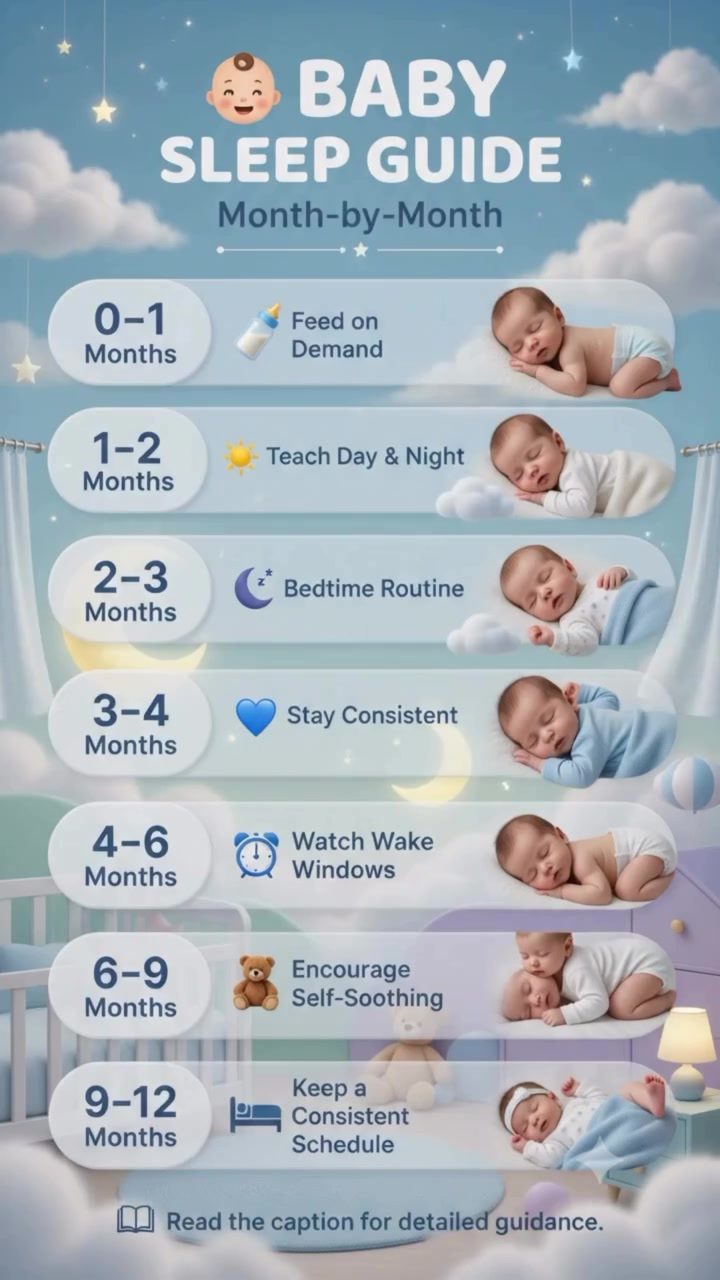
0–1 Month: Feed on Demand
Newborns don't have a regular sleep schedule. During this stage, feed your baby on demand and respond to their cues. This helps them feel secure and supported, laying the foundation for healthy sleep habits.
1–2 Months: Teach Day and Night
Help your baby distinguish between day and night by exposing them to natural daylight during the day and keeping nights calm and dim. This differentiation can help regulate their internal clock and establish a more predictable sleep pattern.
2–3 Months: Establish a Bedtime Routine
Begin a simple bedtime routine, such as a warm bath, gentle rocking, or a lullaby before sleep. Routines provide comfort and predictability, signaling to your baby that it's time to sleep.
3–4 Months: Stay Consistent
Consistency is key during this period. Many babies experience changes in their sleep patterns, so sticking to a routine can help them adapt and establish better sleep habits.
4–6 Months: Watch Wake Windows
Pay attention to wake windows, which is the time your baby is awake between sleep periods. An overtired baby often finds it harder to fall asleep, so it's important to put them down for a nap before they become overly tired.
6–9 Months: Encourage Self-Soothing
Encourage self-soothing by providing a calm and comfortable sleep environment. This helps babies learn to fall asleep independently, which is a valuable skill for long-term sleep health.
9–12 Months: Keep a Consistent Schedule
Maintain consistent bedtime and nap routines to support healthy sleep habits. Consistency reinforces the body's natural sleep-wake cycle, making it easier for your baby to fall asleep and stay asleep.
Practical Tips for Better Sleep
Create a Sleep-Friendly Environment
A quiet, dark, and cool room can promote better sleep. Use blackout curtains, a white noise machine, and a comfortable mattress to create an ideal sleep environment.
Develop a Calming Bedtime Routine
Include activities like a warm bath, gentle massage, or reading a story. A consistent routine signals to your baby that it's time to sleep and helps them wind down.
Watch for Sleep Cues
Learn to recognize your baby's sleep cues, such as rubbing eyes, yawning, or fussiness. Responding to these cues promptly can prevent overtiredness and make it easier for your baby to fall asleep.
Be Consistent
Consistency is crucial for establishing good sleep habits. Stick to a routine and be patient as your baby learns to adapt.
Encourage Self-Soothing
Place your baby in the crib while they are drowsy but still awake. This encourages them to fall asleep independently, which is an important skill for long-term sleep health.
Important Takeaways
- Every baby is unique, and these guidelines may not apply to every child. It's important to tailor sleep strategies to your baby's specific needs.
- Good sleep habits support healthy brain development, growth, learning, and emotional well-being.
- Consistency and gentle routines can make bedtime easier for both babies and parents.
- If your baby has persistent sleep difficulties or health concerns, consult a pediatrician for personalized advice.
Conclusion
Establishing healthy sleep habits from an early age can significantly improve your baby's overall well-being and make bedtime a smoother experience for both of you. By following this month-by-month guide and incorporating practical tips, you can support your baby's development and create a peaceful sleeping environment.
Watch the Reel
Questions readers ask
What is the best way to establish a baby sleep schedule for a newborn?
For newborns, it's best to feed on demand and respond to their hunger cues. This helps them feel secure and supported, establishing a foundation for healthy sleep habits. Avoid trying to enforce a strict schedule during this initial stage, as newborns typically do not have a regular sleep pattern.
How can I manage the 3 month sleep regression?
The 3 month sleep regression is a common phase where babies may experience disrupted sleep. To manage this, ensure your baby is getting plenty of daytime sleep and maintain a consistent bedtime routine. Also, create a calm and soothing sleep environment to help your baby settle down.
When should I start 4 month sleep training with my baby?
Sleep training can begin around 4 months, as babies at this age are better able to self-soothe and have more established sleep patterns. However, it's important to choose a gentle sleep training method that suits your baby's temperament and needs. Be patient and consistent with the chosen method.
What are some tips for creating a 6 month sleep routine?
At 6 months, babies can start to follow a more predictable sleep routine. Aim for a consistent bedtime and naps throughout the day. A calming bedtime routine, such as a warm bath, gentle massage, and lullaby, can signal to your baby that it's time to sleep. Creating a consistent sleep environment can help reinforce this routine.
How can I help my baby sleep through the night?
To encourage your baby to sleep through the night, establish a consistent bedtime routine and create a sleep-conducive environment. Ensure your baby is getting enough daytime sleep and is not overtired by bedtime. Additionally, avoid filling your baby up with food or sleep props that they come to rely on for falling asleep.
What are the signs that my baby is ready for a demand feeding schedule?
If your baby is consistently sleeping through the night and has a predictable daytime sleep pattern, they may be ready for a demand feeding schedule. However, this varies from baby to baby. Look for signs such as consistent weight gain, regular bowel movements, and a general sense of contentment between feeds.
Recent articles
Fresh deep dives from the latest Reels we unpacked.




Comments
Be the first to comment.