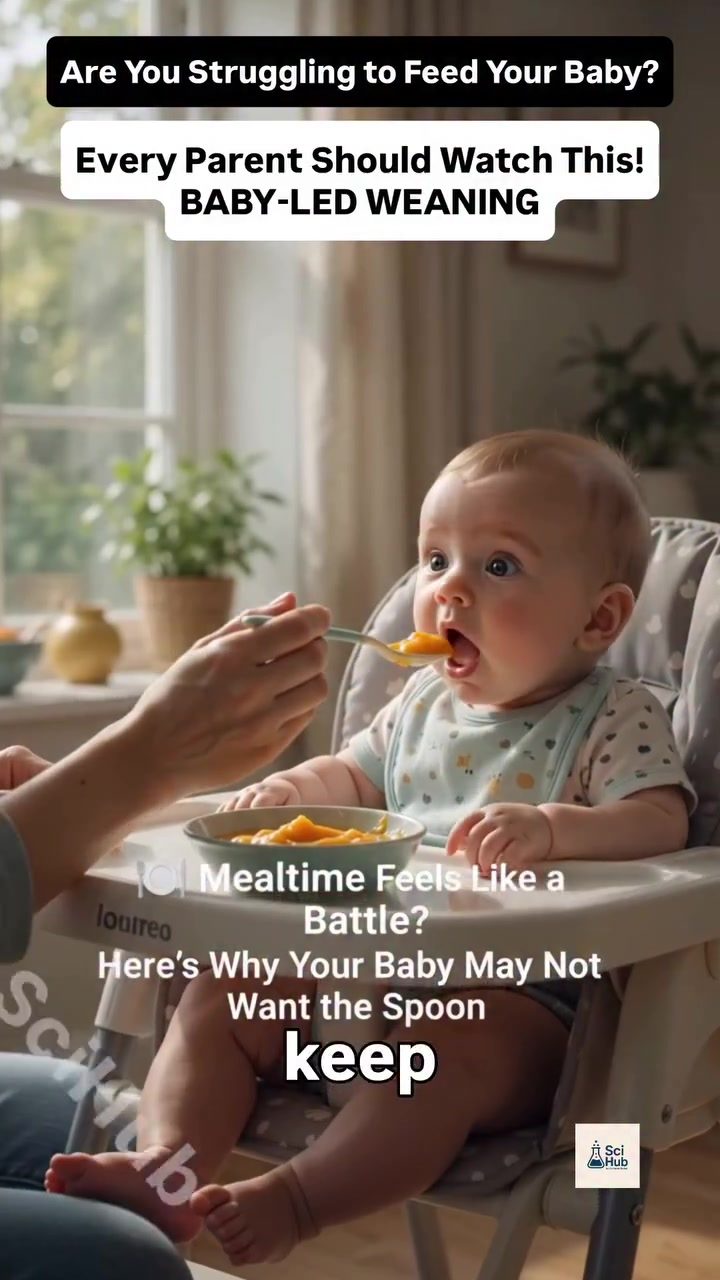
Baby-Led Weaning: A Guide to Self-Feeding for Babies
Every parent knows that mealtimes can be a challenging experience, especially when trying to introduce solids to a baby that may not be eager to use a spoon. Baby-Led Weaning (BLW) offers a different approach that allows babies to explore and enjoy food at their own pace.
Why Baby-Led Weaning Matters
Baby-Led Weaning is more than just a feeding method—it's a journey that encourages babies to develop essential skills and healthy eating habits. This method allows babies to explore food independently, which can help them build motor skills, hand-eye coordination, and an appreciation for various textures and tastes.
Key Benefits of Baby-Led Weaning
-
Motor Skill Development: By allowing babies to feed themselves, they develop fine motor skills and hand-eye coordination. Picking up soft finger foods helps them gain better control over their hands and fingers.
-
Exploration of Textures and Tastes: Babies get to experience a variety of textures and flavors, which can make mealtimes more enjoyable and help them become less picky eaters as they grow older.
-
Healthy Eating Habits: BLW encourages babies to listen to their hunger and fullness cues, helping them develop a healthy relationship with food from an early age.
-
Reduced Choking Risk: While it's important to offer only soft, age-appropriate foods, allowing babies to feed themselves can sometimes reduce choking risks. Babies naturally push food toward the front of their mouths, making it easier for them to control the amount they swallow.
Main Discussion
Starting Baby-Led Weaning
Before embarking on this journey, it’s crucial to ensure your baby is ready for solid foods. Generally, babies around six months old who have good head and neck control and can sit with support are ideal candidates. Additionally, your baby should show interest in food. If your baby is turning away from the spoon, it might not always mean they're a picky eater; they could simply be ready for a different way to explore food.
Preparing for Baby-Led Weaning
-
Offering the Right Foods: Start with soft, age-appropriate foods that your baby can easily pick up. Avoid small, round foods like grapes or cherry tomatoes, which can pose a choking hazard.
-
Choosing a High Chair: Select a high chair that provides good support and stability. The baby should be seated comfortably, with their feet flat on the footrest and their back supported.
-
Supervision: Always supervise your baby during mealtimes. While a little mess is normal, it’s essential to keep an eye on your baby to ensure their safety.
The Process of Baby-Led Weaning
Baby-Led Weaning involves letting babies feed themselves, which encourages them to explore different textures, practice chewing, and develop hand-eye coordination. Instead of feeding every bite, try offering soft finger foods that your baby can pick up on their own. This method not only helps babies develop important skills but also makes mealtimes more enjoyable for both you and your baby.
Dealing with Challenges
Mealtimes can sometimes feel like a battle, but with Baby-Led Weaning, you can turn this around. Remember, a little mess is completely normal—it’s all part of the learning process.
Practical Tips
Creating a Positive Mealtime Environment
-
Stay Calm and Patient: Babies can sense your emotions. Stay calm and patient, and make mealtimes a fun and enjoyable experience for both of you.
-
Offer Variety: Introduce a variety of foods to help your baby explore different tastes and textures. This can also help prevent picky eating habits later on.
-
Consistency: Stick to a routine and offer meals at consistent times. This helps your baby develop a predictable eating pattern.
Safety Precautions
-
Avoid Choking Hazards: Always cut food into appropriate sizes and avoid small, round foods like grapes or cherry tomatoes. Ensure that your baby is sitting upright and never leave them unattended during mealtimes.
-
Supervise: Even though babies are feeding themselves, always keep an eye on them. Accidents can happen, and being nearby can prevent potential choking or other injuries.
Practical Tips for Parents
-
Preparation: Cut food into manageable pieces for your baby. Avoid foods that can easily cause choking, such as whole grapes, nuts, and hard candies.
-
Patience: Remember that every baby develops at their own pace. Don't rush the process or force your baby to eat. Let them explore and enjoy their food at their own speed.
-
Consult a Professional: Before starting Baby-Led Weaning, consult your pediatrician. They can provide personalized advice based on your baby's health and development.
Important Takeaways
Baby-Led Weaning is a rewarding journey that encourages babies to explore food independently, develop essential skills, and build healthy eating habits. While mealtimes may initially feel challenging, the benefits of this method make it well worth the effort.
Remember to always offer soft, age-appropriate foods, supervise every meal, and consult your pediatrician before starting. By following these guidelines, you can ensure a positive and enriching experience for both you and your baby.
Conclusion
Baby-Led Weaning is more than just a feeding method; it's a journey that helps babies develop essential skills and healthy eating habits. By allowing babies to feed themselves and explore different textures and tastes, you can create a positive and enjoyable mealtime experience. Always remember to offer appropriate foods, supervise every meal, and consult your pediatrician for personalized advice. Embark on this journey with confidence, and watch your baby thrive as they explore the world of food.
Watch the Reel
Questions readers ask
What are the key benefits of Baby-Led Weaning (BLW)?
Baby-Led Weaning offers several benefits, including the development of essential motor skills and hand-eye coordination. It also encourages healthy eating habits and helps babies appreciate a variety of textures and tastes, which can reduce picky eating tendencies.
How does Baby-Led Weaning help in developing motor skills?
BLW allows babies to explore and handle food independently, which helps them build fine motor skills, grip strength, and hand-eye coordination. As they pick up and manipulate different types of food, they naturally develop these important skills.
What kinds of foods are suitable for Baby-Led Weaning?
Baby-Led Weaning foods should be soft, easy to chew, and cut into manageable sizes to prevent choking. Some good options include steamed vegetables, soft fruits, and cooked proteins. It's important to avoid foods that are hard, round, or sticky.
At what age can I start Baby-Led Weaning with my baby?
Most babies can start BLW around 6 months of age, when they can sit up with support and show an interest in food. However, it's important to consult with a pediatrician before beginning, as every baby develops at their own pace.
What are some tips for successfully starting Baby-Led Weaning at home?
To start BLW at home, ensure your baby is developmentally ready and create a safe eating environment. Offer a variety of soft, manageable foods and allow your baby to explore and feed themselves at their own pace. Be patient and supervise mealtimes closely to prevent choking.
Can Baby-Led Weaning help prevent picky eating?
Yes, BLW can help reduce picky eating by exposing babies to a variety of flavors, textures, and colors from an early age. This early exploration of different foods can make babies more likely to accept and enjoy a wide range of foods as they grow.
How can I ensure a safe and enjoyable Baby-Led Weaning experience for my baby?
To ensure a safe BLW experience, always supervise your baby during mealtimes, cut food into appropriate sizes, and avoid giving high-risk foods. Make mealtimes enjoyable by letting your baby explore and play with their food, and praise their efforts to encourage positive associations with eating.
Recent articles
Fresh deep dives from the latest Reels we unpacked.




Comments
Be the first to comment.