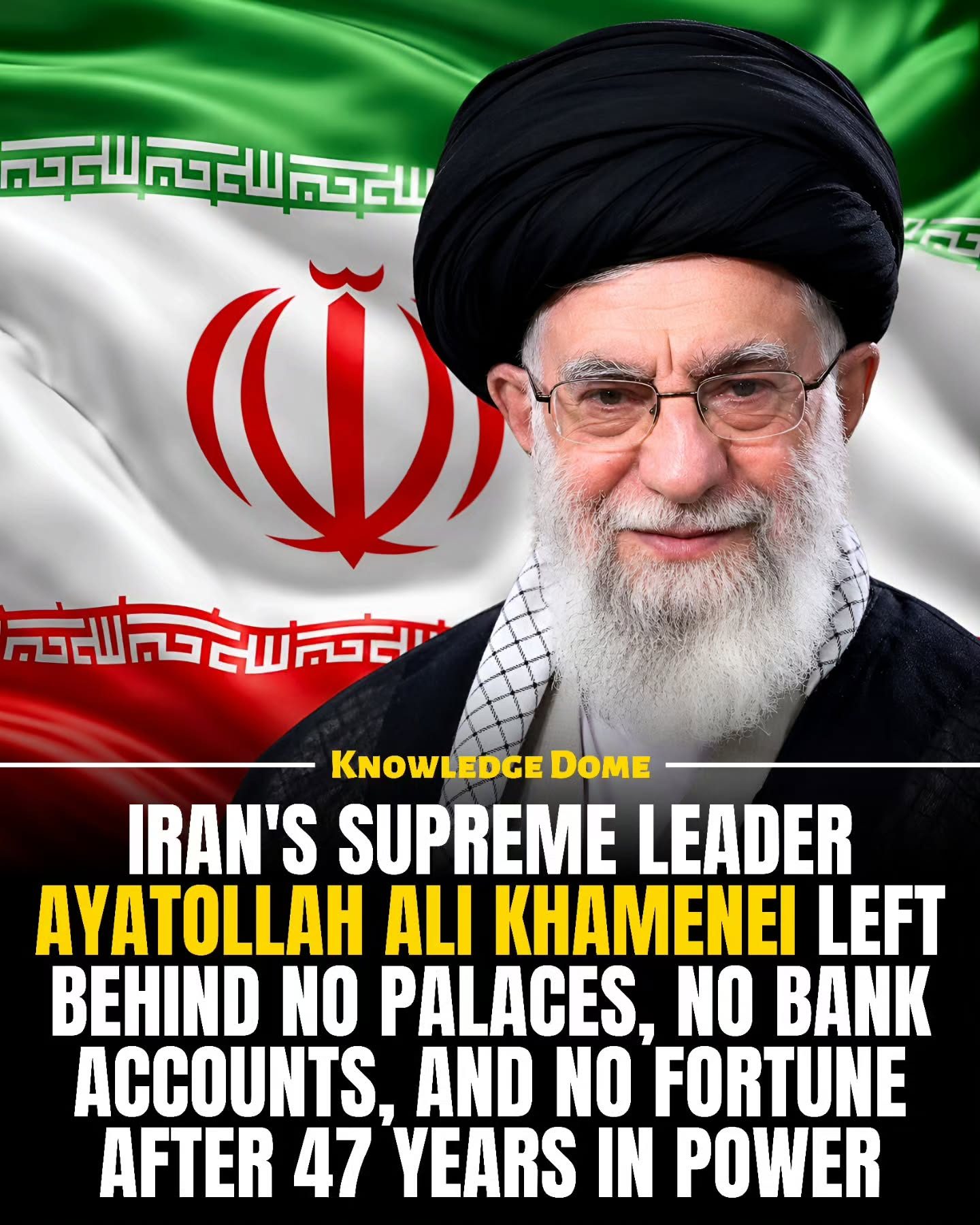
Ayatollah Ali Khamenei: Legacy and Contrasting Portraits
Ayatollah Ali Khamenei, the Supreme Leader of Iran, has a legacy that is both celebrated and scrutinized. His official narrative depicts a life of simplicity and public service, while reports from outside Iran present a different picture. Khamenei served as Iran's Supreme Leader for 47 years, and understanding his legacy involves examining both perspectives.
Context: Why This Matters
The narrative surrounding Khamenei's personal wealth and influence is crucial for several reasons. It sheds light on the inner workings of Iran's political structure, the control over assets, and the impact on ordinary citizens. Understanding these dynamics is essential for anyone interested in Iranian politics, regional power dynamics, and the complexities of leadership in the Middle East.
The Official Narrative of Modesty
A Life of Public Service
Supporters of Khamenei portray him as a man of modest means who dedicated his life to public service and religious duty. According to the official story, Khamenei did not accumulate personal wealth, palaces, or bank accounts during his tenure. He is described as a simple man who wore plain clothes and did not take a normal government salary. This narrative emphasizes his commitment to a life of service, free from the trappings of luxury.
Leading with Humility
Khamenei's supporters highlight his frugal lifestyle and the idea that he remained focused on his religious duties and public service. This narrative suggests that his leadership was driven by a sense of humility and a desire to serve the people, rather than to amass personal wealth.
The Alternate Narrative: Wealth and Control
The Setad Organization
However, a different picture emerges from various investigations conducted outside Iran. These reports allege that Khamenei was linked to a vast financial empire controlled through an organization known as Setad. Setad is said to have managed valuable land, buildings, companies, and shares in numerous industries. Estimates of the value of this empire range from tens of billions to even higher figures.
Seized Property and Economic Control
The investigations further claim that a significant portion of this wealth came from seized property. This means that homes, land, and assets were taken from ordinary citizens, including minorities and political opponents. Instead of being owned in his personal name, the money and property were allegedly controlled through a network of state-linked foundations and companies. This hidden system allowed Khamenei to exert significant economic control without direct personal ownership.
The Role of Setad
Structure and Operations
Setad, or the Headquarters for Executing the Order of the Imam, is a powerful organization in Iran that operates under the supervision of the Supreme Leader. According to reports, Setad has extensive holdings in various sectors, including real estate, finance, and industry. Its operations are often shrouded in secrecy, making it difficult to ascertain the full extent of its influence.
Economic and Political Influence
The control over such a vast financial empire would give Khamenei significant leverage over Iran's economy and politics. It would allow him to influence major economic decisions, control key industries, and exert pressure on political opponents. This level of economic control means that Khamenei's influence extends far beyond his political role, affecting the lives of ordinary citizens in profound ways.
The Dual Narrative
The differing narratives about Khamenei's wealth and influence present a complex picture. On one hand, there is the official story of a modest, dedicated public servant. On the other, there are reports of a vast financial empire and economic control that operate outside normal government oversight. To fully understand Khamenei's legacy, it is essential to consider both perspectives.
Practical Tips for Understanding Political Leadership
Research Multiple Sources
When analyzing the legacy of a political figure, it is crucial to examine multiple sources of information. Relying on a single narrative can provide an incomplete or biased understanding. By considering different perspectives, you can gain a more nuanced and accurate picture.
Verify Claims
Before accepting any claims about a political figure's wealth or influence, it is essential to verify the information through credible sources. Reports from reputable organizations and independent investigations can provide valuable insights. Cross-referencing multiple sources can help you discern fact from fiction.
Consider Context
Understanding the context in which a political figure operates is vital. This includes the political, economic, and social landscape of their country. By considering the broader context, you can better understand the motivations and actions of the leader in question.
Important Takeaways
The differing narratives about Khamenei's legacy highlight the complexities of power and influence in Iran. The official narrative portrays a life of modesty and public service, while other reports suggest a vast financial empire and significant economic control. Both perspectives are essential for understanding Khamenei's legacy and its impact on Iran and the broader region.
Conclusion
Ayatollah Ali Khamenei's legacy is a complex tapestry of official narratives and outside investigations. Whether he was a dedicated public servant or a figure with vast economic control, the truth likely lies somewhere in between. By examining both perspectives, we can gain a deeper understanding of his leadership and its implications for Iran and the region.
Watch the Reel
Questions readers ask
What is the official narrative surrounding Ayatollah Ali Khamenei's personal life and wealth?
The official narrative portrays Ayatollah Ali Khamenei as a man of modest living and dedicated public service. His public image emphasizes simplicity, with a focus on his role as Iran's Supreme Leader and his commitment to the welfare of the Iranian people.
Are there external reports that contradict the official narrative about Khamenei's wealth?
Yes, external reports suggest a different picture, hinting at a more complex and wealthy behind-the-scenes life. These reports raise questions about Khamenei's actual net worth and his influence over Iran's significant assets.
How long has Ayatollah Ali Khamenei served as Iran's Supreme Leader?
Ayatollah Ali Khamenei has held the position of Iran's Supreme Leader for 47 years. His extended tenure has made him a central figure in Iran's political dynamics, influencing the country's internal affairs and regional power dynamics.
Why is understanding Khamenei's wealth and influence important for understanding Iran's political landscape?
Examining Khamenei's personal wealth and influence provides insight into Iran's political structure and the control of assets within the country. It also helps to understand the impact on ordinary citizens and the broader implications for regional power dynamics.
What are some of the key assets and holdings allegedly linked to Khamenei?
Reports have linked Khamenei to various assets, including numerous bank accounts, properties, and palaces. While these claims are often disputed, they contribute to the ongoing debate about his personal wealth and the extent of his control over Iran's resources.
How does Khamenei's legacy impact the understanding of Iran's regional power?
Khamenei's legacy is pivotal in understanding Iran's regional power dynamics. His influence extends beyond Iran's borders, impacting geopolitical strategies and relationships within the Middle East. Understanding his wealth and power dynamics is essential for a holistic view of Iran's regional influence.
Recent articles
Fresh deep dives from the latest Reels we unpacked.




Comments
Be the first to comment.