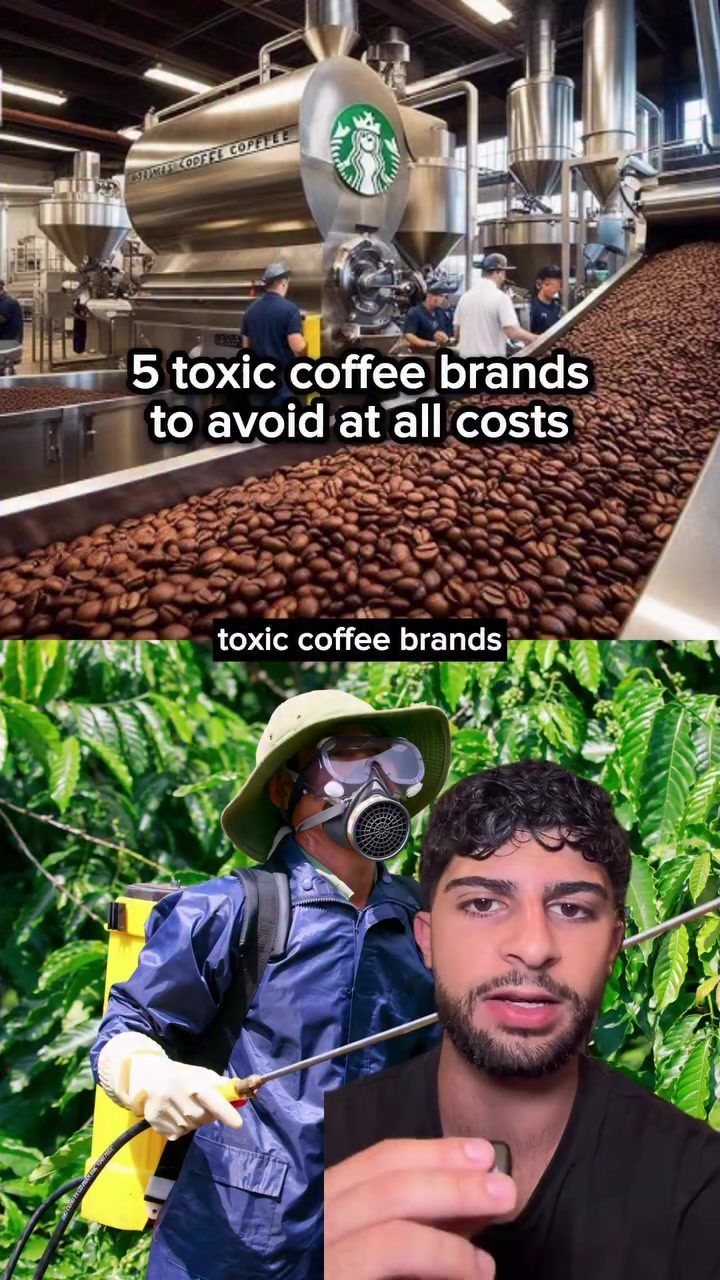
Toxic Coffee Brands and Cleaner Alternatives
Coffee is a staple beverage for many, but not all brands are created equal. Certain coffee brands have faced legal issues and health concerns due to the presence of harmful chemicals. Understanding which brands to avoid and opting for cleaner alternatives can significantly impact health.
Context
Coffee is one of the most widely consumed beverages worldwide, with millions of people relying on it for energy and enjoyment. However, the quality and safety of coffee can vary greatly depending on the brand. Some coffee brands have been linked to serious health issues due to contaminants and harmful chemicals. Knowing which brands to avoid can help consumers make informed decisions about their coffee choices.
Toxic Coffee Brands to Avoid
-
Starbucks
Starbucks has faced legal troubles over the presence of benzene, a toxic chemical known for causing cancer. Benzene is a carcinogen that can lead to various health issues, including leukaemia and other blood disorders. Consuming coffee containing benzene can put individuals at risk, making it crucial to be aware of this potential hazard.
-
Nescafe
Nescafe has been under scrutiny for containing high levels of acrylamide. Acrylamide is a chemical that forms during the roasting process and has been shown to cause cellular damage. Studies have linked acrylamide to an increased risk of cancer and other health problems, making Nescafe a brand to avoid for health-conscious consumers.
-
Folgers
Folgers coffee has been found to contain mycotoxins, which are harmful substances produced by certain types of mould. Mycotoxins are known to cause organ damage, particularly in the kidneys and liver. Long-term exposure to mycotoxins can lead to severe health issues and decrease overall quality of life.
-
Dunkin' Donuts
Dunkin' Donuts coffee contains high amounts of pesticide residues. Pesticides are used in coffee cultivation to protect crops from pests and diseases. However, excessive pesticide residues in coffee can cause cancer over time, posing a significant health risk to consumers. Opting for organic or pesticide-free coffee can mitigate this risk.
-
Casa
Casa coffee has been linked to heart disease due to the presence of methylene chloride. Methylene chloride is a chemical used in the decaffeination process, and exposure to it can cause heart problems. For those with heart conditions or a family history of heart disease, avoiding Casa coffee is advisable.
Cleaner Coffee Alternatives
The good news is that there are cleaner, healthier coffee options available. Consumers can opt for brands that prioritize quality and safety, such as:
- Clean Coffee Co. - Promotes health-focused coffee options, providing consumers with a healthier alternative to mainstream brands.
- Fresh Roasted Coffee - Offers high-quality, fresh-roasted coffee beans without the harmful chemicals and contaminants found in some commercial brands.
- Natural Force - Another brand that focuses on providing organic, non-GMO, and pesticide-free coffee options, promoting a healthier and more natural coffee-drinking experience.
Practical Tips for Choosing Safe Coffee
When selecting a coffee brand, keep the following tips in mind to ensure you're choosing a healthier option:
- Check Labels - Look for labels that indicate the coffee is organic, non-GMO, and pesticide-free. These labels can provide assurance that the coffee has been produced with safety and quality in mind.
- Research Brands - Before purchasing, research the brand to learn about their production practices, certifications, and any history of legal issues related to health concerns. Online reviews and third-party certifications can also provide valuable insights.
- Try Organic Options - Organic coffee is typically free from harmful pesticides and chemicals, making it a safer choice for consumers. It also supports sustainable agricultural practices, benefiting both personal health and the environment.
- Consider Fair Trade - Fair Trade certification ensures that coffee farmers receive fair wages and work in safe conditions, promoting ethical and sustainable practices in the coffee industry.
Important Takeaways
The health risks associated with certain coffee brands are significant and should not be overlooked. By avoiding toxic coffee brands and opting for cleaner alternatives, consumers can protect their health and enjoy their favourite beverage without worry. Understanding the potential hazards in some popular coffee brands empowers consumers to make informed choices and prioritize their well-being.
Conclusion
Choosing the right coffee brand can make a substantial difference in overall health. By being aware of the toxic brands to avoid and the cleaner alternatives available, consumers can enjoy their coffee with peace of mind. Making informed decisions about coffee consumption can lead to a healthier lifestyle and a better appreciation for the beverage.
Watch the Reel
Questions readers ask
Why should I be concerned about harmful chemicals in my coffee?
Many coffee brands contain harmful chemicals such as pesticides, mold, and mycotoxins. Long-term consumption of these substances can lead to health issues, including neurological disorders, weakened immune system, and even cancer. By being aware of these risks, consumers can make healthier choices.
What specific issues have been found in Starbucks coffee?
Starbucks has faced criticism for its use of pesticides and other chemicals in its coffee production. Some studies have detected residues of harmful chemicals in their products. Additionally, some of their coffee blends have been found to have high levels of mycotoxins, which are produced by certain molds and can be detrimental to health.
What are the main contaminants found in Nescafe coffee?
Nescafe has been criticized for its high pesticide content. Some reports have shown that Nescafe products contain residues of various pesticides, which can pose significant health risks, especially with prolonged consumption. These pesticides may include toxic chemicals like dichlorvos and chlorpyrifos.
Why is Folgers coffee considered one of the toxic coffee brands?
Folgers coffee has been found to contain high levels of contaminants, including mycotoxins and pesticides. These contaminants can have adverse effects on health, such as respiratory issues, digestive problems, and even more serious conditions like cancer. Regular consumption of Folgers coffee may increase the risk of exposure to these harmful substances.
What health risks are associated with Dunkin coffee?
Dunkin coffee has been scrutinized for its potential health risks. Some of their products have been found to contain harmful chemicals, including mycotoxins and pesticides. Long-term consumption of Dunkin coffee may lead to various health issues, such as neurological problems and a weakened immune system.
What are the health concerns related to Casa coffee?
Casa coffee has been linked to various health concerns, including the presence of mycotoxins and other contaminants. These substances can have detrimental effects on the body, leading to a range of health issues such as headaches, nausea, and even more severe conditions if consumed regularly.
What are some cleaner alternatives to these toxic coffee brands?
Consumers looking for cleaner coffee alternatives can opt for brands that prioritize organic, fair-trade, and non-GMO products. Some recommended brands include Organic Valley, Twinings Coffee, and Peet's Coffee. These brands often have stricter quality control measures in place, ensuring that their products are free from harmful chemicals and contaminants.
Recent articles
Fresh deep dives from the latest Reels we unpacked.




Comments
Be the first to comment.