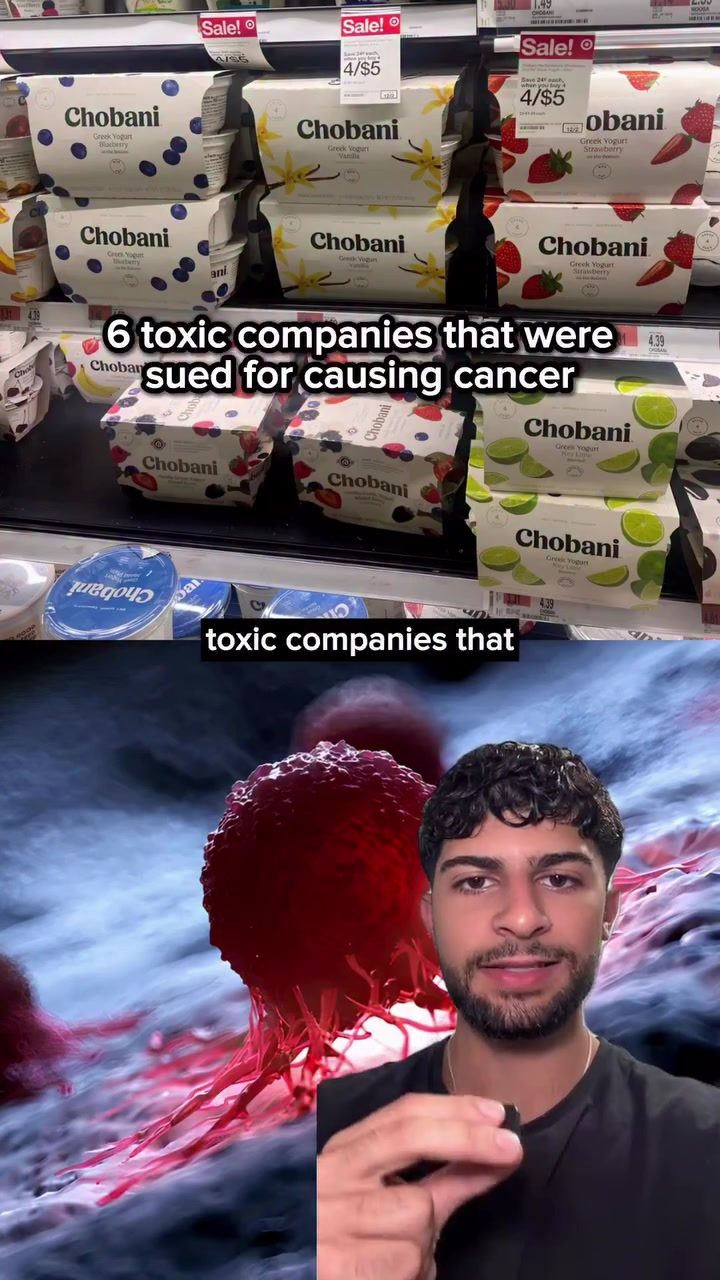
Six Companies Sued for Causing Cancer and Their Cleaner Alternatives
Consumer awareness about product safety is crucial. Here, we explore six companies that have faced lawsuits for allegedly causing cancer and discuss healthier alternatives for each product category.
Context
Consumers often trust well-known brands, but recent lawsuits have raised concerns about potential health risks associated with certain products. These companies have been sued for various reasons, including the presence of harmful chemicals in their products. Understanding these issues can help consumers make more informed choices.
Yogurt Concerns: Chobani
Chobani, a popular yogurt brand, has been sued for containing phthalates in its packaging. Phthalates are a group of chemicals used to make plastics more flexible. Some phthalates have been linked to health issues, including cancer. The lawsuit alleges that these chemicals can leach into the yogurt, posing a potential health risk to consumers. While the company has not admitted liability, it is important for consumers to be aware of these concerns.
Clean Alternative: Alexandre Farms
For a safer yogurt option, consider Alexandre Farms. This brand focuses on natural, organic ingredients and sustainable packaging, reducing the risk of exposure to harmful chemicals.
Coffee Concerns: Starbucks
Starbucks, a global coffee giant, has faced lawsuits due to the presence of acrylamide in its coffee. Acrylamide is a chemical that forms in foods, particularly starchy foods, during high-temperature cooking processes. The International Agency for Research on Cancer has classified acrylamide as a Group 2A carcinogen, meaning it is probably carcinogenic to humans.
Clean Alternative: Chameleon Cold-Brew
A healthier option for coffee lovers is Chameleon Cold-Brew. This brand uses a cold-brewing process that significantly reduces the formation of acrylamide, making it a safer choice.
Baby Powder Concerns: Johnson's
Johnson's Baby Powder has been the subject of lawsuits due to the presence of asbestos, a known carcinogen, in its talc-based products. The lawsuit alleges that the company knew about the asbestos contamination but failed to warn consumers. This has led to significant health concerns, particularly for those who have used the product regularly over long periods.
Clean Alternative: Olivebaby
For a safer alternative, consider Olivebaby baby powder. This brand uses natural, talc-free ingredients, eliminating the risk of asbestos contamination.
Toothpaste Concerns: Colgate
Colgate, a well-known toothpaste brand, has faced lawsuits due to the presence of lead and other harmful heavy metals in its Optic White toothpaste. These metals can pose significant health risks, especially with long-term use. The lawsuits allege that Colgate failed to adequately disclose these contaminants, leading to potential consumer harm.
Clean Alternative: Boka
A cleaner option is Boka, a brand that focuses on natural, non-toxic ingredients, ensuring a safer oral care routine.
Cereal Concerns: Cheerios
Cheerios has faced lawsuits due to the presence of glyphosate, a widely used herbicide, in its cereal products. Glyphosate has been classified as a probable human carcinogen by the International Agency for Research on Cancer. This chemical can be found in many agricultural products, including cereal grains, and has raised significant health concerns.
Clean Alternative: Lovebird
For a healthier cereal option, consider Lovebird. This brand focuses on organic, non-GMO ingredients, reducing the risk of exposure to harmful chemicals.
Sunscreen Concerns: Banana Boat
Banana Boat sunscreen has faced lawsuits due to the presence of potential carcinogens in its products. Sunscreen is essential for protecting the skin from harmful UV rays, but it is crucial to choose a product that does not contain harmful chemicals.
Clean Alternative: Sky & Sol
A safer sunscreen option is Sky & Sol. This brand uses natural, non-toxic ingredients, providing effective sun protection without the risk of potential carcinogens.
Practical Tips
When navigating the complex landscape of product safety, consider the following practical tips:
- Read Labels Carefully: Always check the ingredient list and product packaging for any potential harmful substances.
- Research Brands: Look for brands that prioritize transparency and use natural, non-toxic ingredients.
- Opt for Organic: Choose organic products whenever possible to reduce exposure to harmful chemicals.
- Government Guidance: Stay informed about government guidelines and recalls related to product safety.
Important Takeaways
- Awareness is Key: Being aware of potential health risks associated with certain products is the first step towards making safer choices.
- Support Transparent Brands: Brands that prioritize transparency and use natural ingredients are more likely to provide safer products.
- Regulation Matters: Government regulations and lawsuits play a crucial role in holding companies accountable for product safety.
Conclusion
The presence of harmful chemicals in everyday products highlights the importance of consumer awareness and informed decision-making. By choosing cleaner, safer alternatives, consumers can protect their health and support brands that prioritize safety and transparency. Whether it's yogurt, coffee, baby powder, toothpaste, cereal, or sunscreen, there are always healthier options available. Make informed choices and prioritize your well-being.
Watch the Reel
Questions readers ask
What are phthalates and why are they concerning in products like Chobani yogurt?
Phthalates are a group of chemicals used to make plastics more flexible and durable. They have been linked to various health issues, including reproductive problems and even cancer. In Chobani yogurt, concerns arise from the potential leaching of these chemicals from the packaging into the food, making it crucial to consider safer options for yogurt.
Which chemicals in Starbucks coffee drinks have led to lawsuits?
Starbucks has faced lawsuits due to the presence of acrylamide in their coffee drinks. Acrylamide is a chemical compound that forms during high-temperature cooking processes, like roasting coffee beans. It has been classified as a potential carcinogen, which has raised concerns among consumers.
What is the issue with Johnson & Johnson's talc products?
Johnson & Johnson has been sued over the alleged presence of asbestos in their talc-based products, such as baby powder. Asbestos is a known carcinogen, and its contamination in talc has led to serious health concerns, including mesothelioma and ovarian cancer. Consumers should look for talc-free alternatives to avoid potential risks.
Is Colgate toothpaste safe to use?
Colgate has been sued for containing a chemical called triclosan. Triclosan is an antibacterial agent that has been linked to hormone disruption and potential cancer risks. It is important to look for triclosan-free toothpaste options to ensure safety.
How can consumers find safer alternatives to these products?
Consumers can find safer alternatives by reading product labels carefully, looking for certifications from reputable organizations, and choosing brands that prioritize transparency and use natural, non-toxic ingredients. Opting for products with minimal packaging or those made with materials like glass or stainless steel can also help reduce exposure to harmful chemicals.
What are the potential health risks associated with these lawsuits?
The potential health risks associated with these lawsuits include various forms of cancer, reproductive issues, and hormone disruption. These risks stem from the presence of harmful chemicals like phthalates, acrylamide, and talc, which have been linked to serious health problems in numerous studies.
Why are these brands being targeted in lawsuits?
These brands are being targeted due to concerns over the presence of potentially harmful chemicals in their products. Lawsuits allege that these chemicals pose significant health risks to consumers, including cancer. The goal of these legal actions is to hold companies accountable and to encourage the use of safer ingredients and manufacturing processes.
Related deep dives
Similar reads based on topic and creator.


Recent articles
Fresh deep dives from the latest Reels we unpacked.



Comments
Be the first to comment.