Plastic Takeout Container Safety
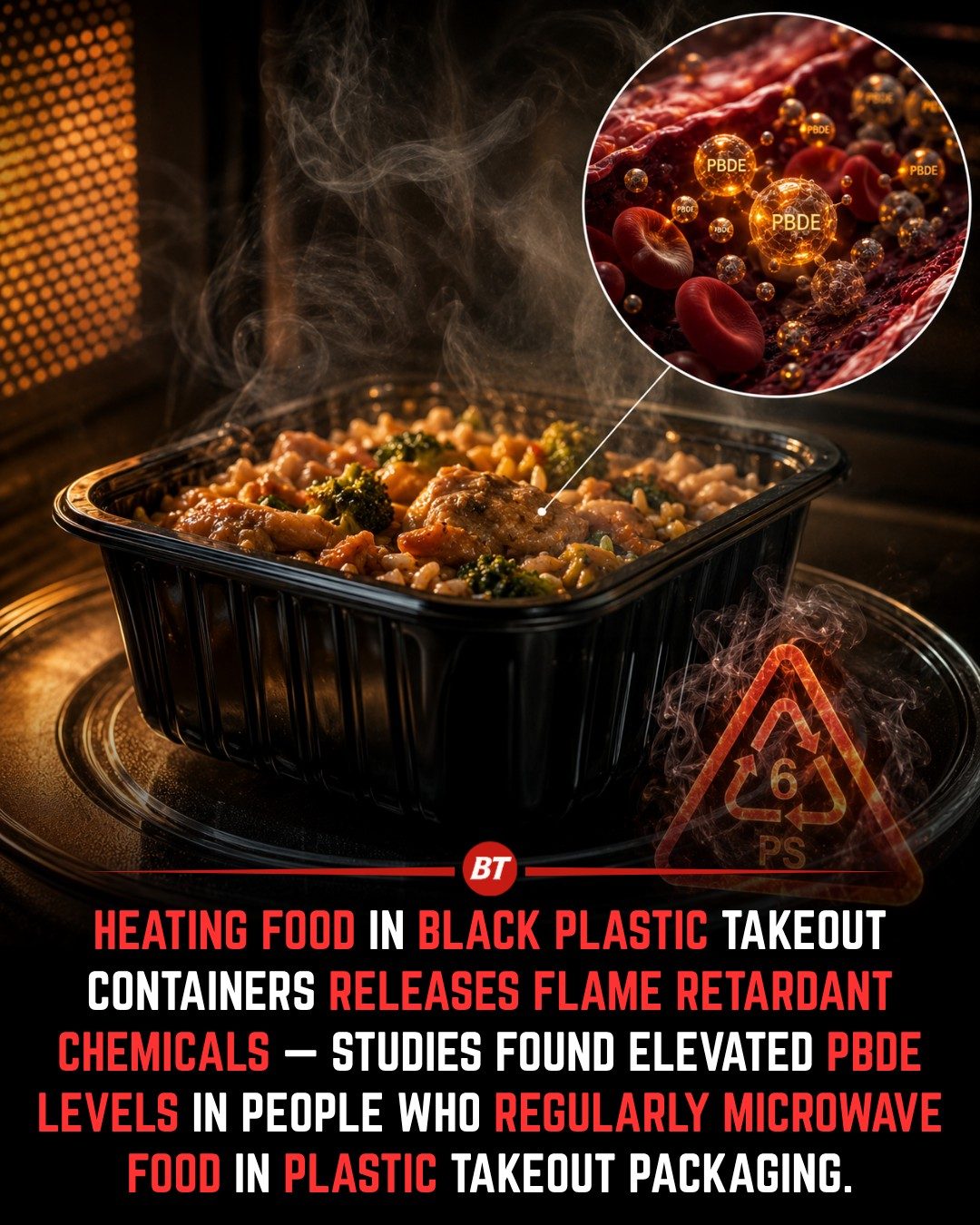
Black plastic takeout containers are a staple in many households, often used for storing leftovers or carrying meals. However, recent studies have raised concerns about the safety of microwaving food in these containers. When heated, these containers can release flame retardant chemicals, posing potential health risks.
Why This Matters
The primary concern with microwaving food in black plastic takeout containers is the potential release of harmful chemicals. Black plastic containers, especially those made from recycled materials, can contain flame retardant chemicals like polybrominated diphenyl ethers (PBDEs). These chemicals are not intended for food contact but can end up in recycled plastics due to the recycling of electronic waste.
The Science Behind the Risk
PBDEs are a group of chemicals used as flame retardants in various products, including electronics and furniture. While these chemicals help prevent fires, they have been linked to potential health effects. Studies have shown that regular microwaving of food in plastic takeout containers can lead to elevated levels of PBDEs in people.
Flame Retardant Chemicals in Recycled Plastics
Many black plastic food containers and kitchen utensils are made from recycled plastic, often sourced from electronic waste such as old televisions and computers. This recycled material can contain flame retardant chemicals, which were never intended for food use. When these containers are exposed to high temperatures, such as during microwaving, the chemicals can migrate into the food.
Health Implications of PBDEs
PBDEs have been studied for their potential effects on thyroid hormones, brain development, and the endocrine system. Exposure to these chemicals can disrupt these systems, leading to various health issues. Although the amount of chemicals that migrate into food varies depending on the type of plastic, temperature, and duration of heating, the risks are concerning enough that many countries have restricted or phased out the use of PBDEs.
Studies and Findings
Recent research has highlighted the importance of improving recycling practices to prevent the contamination of food-contact materials with these harmful chemicals. Studies have found elevated levels of PBDEs in people who regularly microwave food in plastic takeout packaging, underscoring the need for caution.
Practical Tips
To minimize the risks associated with microwaving food in black plastic takeout containers, consider the following tips:
Use Safe Containers
Transfer food from black plastic takeout containers to glass, ceramic, or microwave-safe BPA-free containers before reheating. These alternatives are less likely to leach harmful chemicals into your food.
Reduce Heating Times
If you must use plastic containers, reduce the heating time and avoid high temperatures. The less time the food spends in the microwave, the lower the risk of chemical migration.
Choose Safer Alternatives
Opt for reusable containers made from safer materials like stainless steel, glass, or silicone. These materials are less likely to release harmful chemicals when heated.
Important Takeaways
- Black plastic takeout containers can release flame retardant chemicals like PBDEs when heated.
- These chemicals are not intended for food contact but can end up in recycled plastics from electronic waste.
- Regular microwaving of food in these containers can lead to elevated PBDE levels in the body.
- Choose safer alternatives like glass, ceramic, or BPA-free containers for reheating food.
- Reducing heating times and temperatures can also help minimize the risk.
Conclusion
While black plastic takeout containers are convenient for storing and transporting food, the potential health risks associated with microwaving in these containers cannot be ignored. Prioritizing safe reheating practices and using alternative, food-safe containers can help reduce unnecessary exposure to harmful chemicals.
Watch the Reel
Questions readers ask
Why are black plastic takeout containers a concern when microwaving food?
Black plastic takeout containers, particularly those made from recycled materials, can contain flame retardant chemicals such as polybrominated diphenyl ethers (PBDEs). When these containers are microwaved, these chemicals can leach into the food, posing potential health risks with regular exposure.
What kinds of chemicals are found in recycled plastics used for takeout containers?
Recycled plastics, including black plastic takeout containers, can contain flame retardant chemicals like PBDEs. These chemicals are often not intended for food contact but end up in recycled plastics due to the recycling of electronic waste.
Are all plastic takeout containers safe for microwaving?
Not all plastic takeout containers are safe for microwaving. It is important to look for containers specifically labeled as microwave-safe. Black plastic containers, in particular, should be avoided when microwaving food due to their potential to release harmful chemicals.
How can I avoid chemicals leaching into my food from takeout containers?
To avoid chemicals leaching into your food, opt for glass or ceramic containers for heating and storing food. If you must use plastic, ensure it is labeled as microwave-safe and avoid black plastic containers, especially those made from recycled materials.
What are the health risks associated with microwaving food in black plastic containers?
Microwaving food in black plastic containers can release harmful flame retardant chemicals into the food. Regular consumption of these chemicals can potentially lead to health issues, including disruption of hormone function and developmental problems, particularly in children.
Can I reuse black plastic takeout containers for storing leftovers?
It is best to avoid reusing black plastic takeout containers for storing leftovers, especially if you plan to reheat the food. Instead, transfer leftovers to glass or ceramic containers to minimize the risk of chemical exposure.
Are there any safe alternatives to using black plastic takeout containers?
Yes, opt for glass, stainless steel, or ceramic containers as safe alternatives to black plastic takeout containers. These materials are less likely to leach harmful chemicals into your food, especially when heated.
Related deep dives
Similar reads based on topic and creator.




Recent articles
Fresh deep dives from the latest Reels we unpacked.



Comments
Be the first to comment.