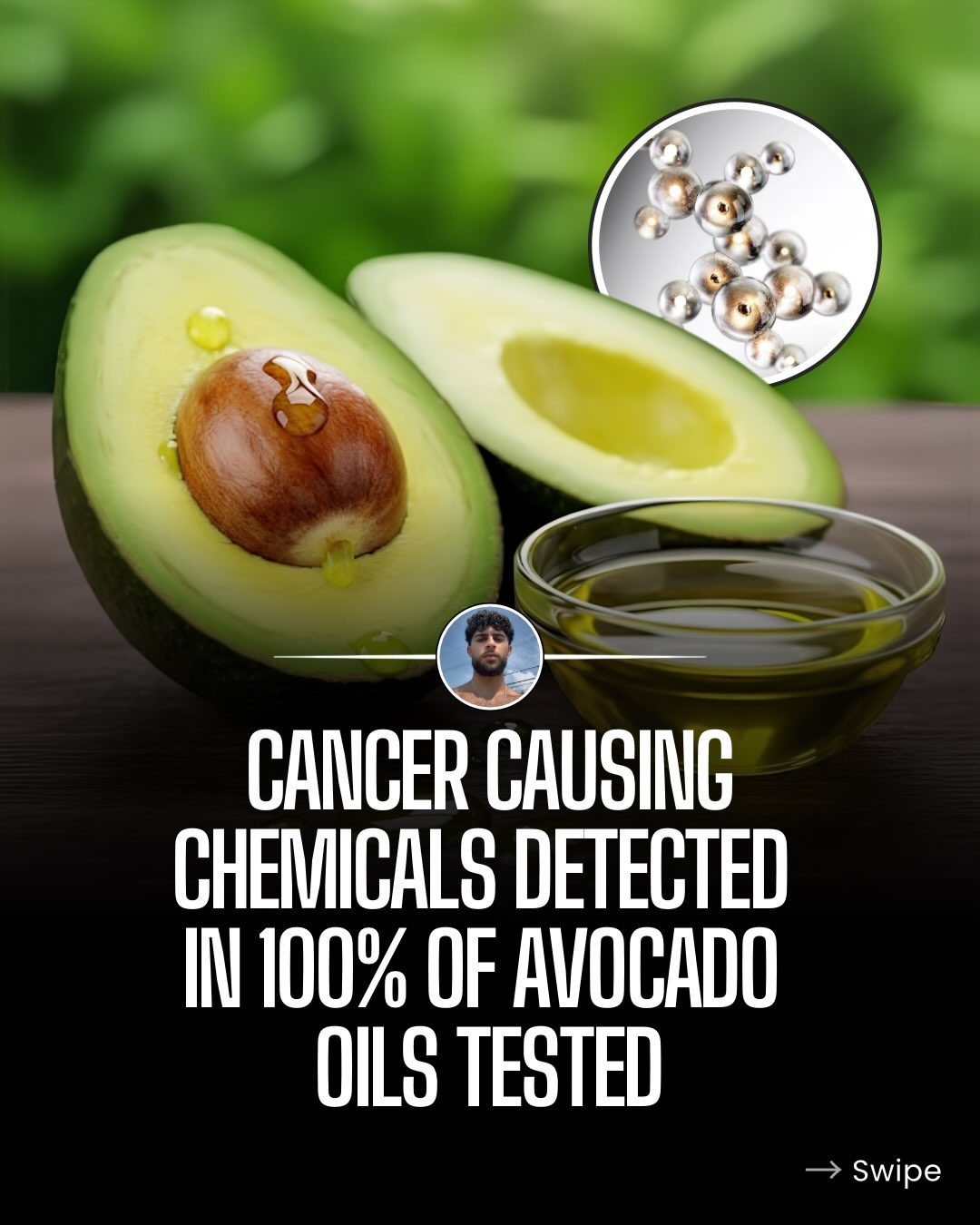
Avocado Oil Concerns: Phthalates and Food Safety
Avocado oil is a popular choice for cooking and salads, prized for its mild flavor and high smoke point. However, recent findings have raised concerns about the presence of phthalates in avocado oil, a contaminant that has been linked to serious health issues.
Why This Matters
Phthalates are a group of chemicals used to make plastics more flexible and harder to break. They are not intentionally added to food products but can leach into food from packaging materials, processing equipment, and storage containers. This contamination issue is particularly relevant for oils, as phthalates dissolve easily in fat.
The Science Behind Phthalates in Avocado Oil
Avocado oils are known for their health benefits, but the recent discovery of phthalates in these oils is alarming. The chemicals found in avocado oils include Di(2-ethylhexyl) phthalate (DEHP), which is listed under California's Proposition 65 as a known carcinogen. The International Agency for Research on Cancer (IARC) classifies DEHP as a possible human carcinogen.
Levels of Phthalates
Studies have shown that 100% of the avocado oils tested contained phthalates, with levels ranging from 1,130 parts per billion (ppb) to a staggering 56,868 ppb. Notably, 91% of the oils contained two or more types of phthalates. The variability in phthalate levels across different brands highlights that this issue is pervasive and not isolated to a few products.
Brands and Phthalate Levels
Several brands have been tested for phthalates, revealing concerning levels of contamination.
Primal Kitchen Avocado Oil
Primal Kitchen Avocado Oil is a popular choice for high-heat cooking. It is marketed as a pure, neutral-flavored oil suitable for sautéing, grilling, and baking. However, tests revealed that this oil contains 2,774 ppb of phthalates. This level, while lower than some other brands, still raises significant concerns about the safety of this oil.
Simple Truth Avocado Oil
Simple Truth Avocado Oil is another commonly used oil in households. Tests showed that this oil contains 2,912 ppb of phthalates, indicating a high level of contamination.
Trader Joe's Avocado Oil
Trader Joe's Avocado Oil is a widely available and affordable option. However, it was found to contain 2,426 ppb of phthalates, which is still a concerning level of contamination.
How Phthalates Enter the Oil
Phthalates are not intentionally added to avocado oil; they are contaminants that leach into the oil from various sources during processing and packaging. These sources include plastic hoses, tubing, gaskets, and bottles. The fat-soluble nature of phthalates makes oils particularly susceptible to contamination.
Processing and Packaging Issues
The production process for avocado oil involves multiple stages where contamination can occur. Plastic equipment and packaging materials can release phthalates into the oil, especially if they are not made from food-grade materials.
Regulatory and Industry Responses
The presence of phthalates in avocado oil has sparked discussions about regulatory oversight and industry practices. While some brands may be more diligent in avoiding contamination, the widespread nature of the issue suggests that industry-wide changes are needed.
Practical Tips for Consumers
Given the prevalence of phthalates in avocado oil, consumers should take proactive steps to minimize their exposure.
Choose Oils with Lower Phthalate Levels
When purchasing avocado oil, look for products with the lowest detectable levels of phthalates. While no oil may be completely free of contamination, choosing oils with trace levels can help reduce exposure.
Important Takeaways
- Widespread Contamination: Phthalates are present in 100% of the avocado oils tested, with levels ranging from 1,130 ppb to 56,868 ppb.
- Health Risks: Phthalates, particularly DEHP, are classified as carcinogens and endocrine disruptors.
- Contamination Sources: Phthalates can leach into avocado oil from plastic processing equipment and packaging materials.
- Brand Variability: Different brands show varying levels of phthalate contamination, but the issue is pervasive.
Conclusion
The discovery of phthalates in avocado oil is a significant concern for consumers and the industry. While avocado oil remains a popular choice for its health benefits and versatility, the presence of these harmful chemicals underscores the need for better regulatory oversight and industry practices. By being informed and choosing products with lower phthalate levels, consumers can mitigate their exposure and promote healthier food standards.
Watch the Reel
Questions readers ask
What are phthalates and how do they end up in avocado oil?
Phthalates are chemicals used to make plastics more durable and flexible. They are not intentionally added to food but can leach into avocado oil from packaging materials, processing equipment, and storage containers during production and handling. This contamination is a significant concern because phthalates dissolve easily in fats, making oils particularly susceptible.
Which avocado oil brands were found to contain phthalates?
The findings indicate that phthalates have been detected in alarming levels across various brands of avocado oil. Specific brands were not mentioned in the available article, but it is clear that the issue is widespread, affecting multiple products in the market.
What health issues are associated with phthalates in avocado oil?
Phthalates have been linked to various health problems, including reproductive issues, developmental delays, and endocrine disruption. Exposure to these chemicals can occur through consumption of contaminated foods, making it crucial to address contamination in avocado oil and other cooking oils.
How can I minimize my exposure to phthalates from avocado oil?
To reduce exposure to phthalates from avocado oil, consider switching to oils that are less likely to be contaminated, such as extra virgin olive oil or coconut oil. Additionally, opt for glass or stainless steel containers for storage and avoid using plastic containers when possible. Always choose fresh, well-sealed products.
Are there any simple kitchen tips to avoid phthalates in cooking oils?
To avoid phthalates in cooking oils, store your oils in glass or stainless steel containers instead of plastic. Choose oils that are packaged in non-plastic containers. Always ensure that your storage containers are well-sealed and kept in a cool, dark place to minimize contamination risks.
What should I do if I have avocado oil at home that may be contaminated with phthalates?
If you have avocado oil at home and are concerned about phthalate contamination, it is best to dispose of it properly. Consider replacing it with oils that are less likely to be contaminated, and opt for brands that prioritize safe packaging and handling practices. Always check the packaging for any indications of phthalate contamination.
Related deep dives
Similar reads based on topic and creator.
Recent articles
Fresh deep dives from the latest Reels we unpacked.




Comments
Be the first to comment.