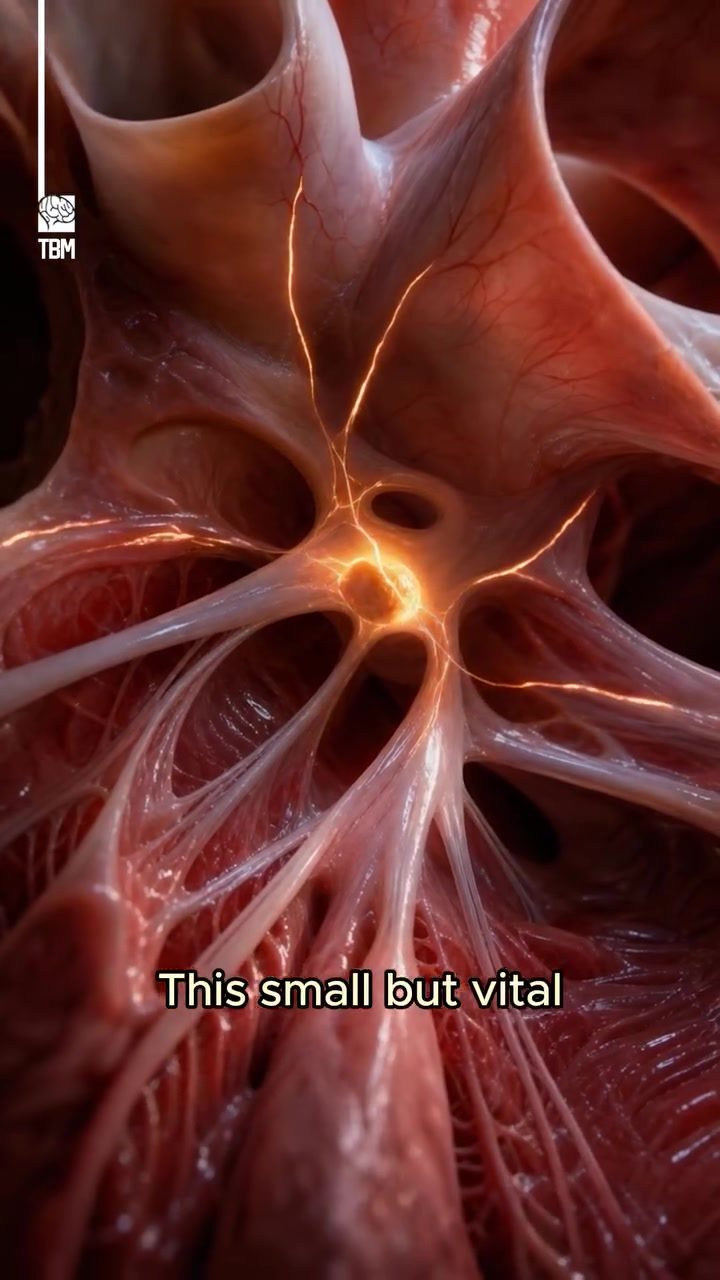
The AV Node: A Small but Critical Structure in the Heart
The AV node, or atrioventricular node, is a tiny cluster of specialized cells located in the center of the heart. Its primary function is to control the timing of the heart’s electrical signals, ensuring that the chambers work together efficiently. This precise timing gives the ventricles crucial time to fill with blood before they contract, maintaining strong, synchronized circulation.
Importance of the AV Node
The AV node acts as a vital conductor in the heart’s electrical system. It delays the electrical signal from the atria to the ventricles, ensuring that the atria contract fully before the ventricles begin pumping. This delay, lasting about 0.1 seconds, is crucial for the heart’s efficiency. Without this precise timing, the heart's ability to pump blood effectively would collapse, severely reducing blood flow throughout the body.
How the AV Node Works
The AV node is located at the center of the heart, connecting the upper chambers (atria) to the lower chambers (ventricles) via specialized fibers. These fibers rapidly propagate the electrical impulse after the delay, ensuring a synchronized contraction of the ventricles. This coordinated effort is essential for the heart to maintain its powerful, rhythmic beat.
The Role of the AV Node in Heart Rhythm
Malfunctions in the AV node can lead to arrhythmias, which are disruptions in the heart’s rhythm. These disruptions can threaten cardiac function and overall health. Common symptoms of arrhythmias include palpitations, dizziness, and fatigue. In severe cases, arrhythmias can lead to more serious conditions like heart failure or stroke.
Medical Interventions for AV Node Dysfunction
Medical devices such as pacemakers are often used to restore proper timing in the heart when the AV node malfunctions. Pacemakers can regulate the heart’s electrical signals, ensuring that the atria and ventricles contract in the correct sequence. This intervention is crucial for maintaining normal cardiac function and preventing life-threatening complications.
Why the AV Node Matters in Cardiac Health
The AV node’s control over electrical conduction is fundamental to the heart’s synchronized, powerful beat. When this small but vital structure functions correctly, it ensures that blood is pumped efficiently throughout the body. Understanding the AV node’s role is essential for comprehending the broader mechanics of the heart and the potential effects of its malfunction.
Practical Tips for Maintaining Heart Health
While the AV node is a critical internal structure, there are several practical steps you can take to maintain overall heart health:
Regular Check-ups
Regular heart check-ups can help detect any issues with the AV node or other parts of the heart early on. Early detection can lead to more effective treatments and better outcomes.
Healthy Lifestyle
A healthy lifestyle, including a balanced diet, regular exercise, and avoiding smoking, can significantly improve heart health. These habits help maintain the overall efficiency of the heart, including the functioning of the AV node.
Managing Stress
Chronic stress can negatively impact heart health. Techniques such as meditation, yoga, and other relaxation methods can help manage stress levels and promote better cardiovascular health.
Monitoring Symptoms
Being aware of any unusual symptoms, such as rapid or irregular heartbeat, chest pain, or shortness of breath, is crucial. If you experience any of these symptoms, seek medical attention promptly.
Important Takeaways
- The AV node is a small but crucial structure in the heart that controls the timing of electrical signals, ensuring efficient blood flow.
- The AV node’s delay allows the ventricles to fill with blood, maintaining strong and synchronized circulation.
- Malfunctions in the AV node can lead to arrhythmias, which disrupt the heart’s rhythm and threaten cardiac function.
- Pacemakers and other medical devices can help restore proper timing and maintain normal cardiac function.
- Regular check-ups, a healthy lifestyle, stress management, and monitoring symptoms are essential for maintaining heart health.
Conclusion
The AV node is a small but vital component of the heart, playing a crucial role in regulating the heart’s rhythm and ensuring efficient blood flow. Understanding its function and the potential issues that can arise from its malfunction is essential for maintaining overall heart health. By taking proactive steps to care for your heart, you can help ensure that this vital organ continues to function optimally, supporting your overall well-being.
Watch the Reel
Questions readers ask
What is the AV node and why is it important?
The AV node, or atrioventricular node, is a small cluster of specialized cells in the heart that regulates the timing of the heart's electrical signals. It ensures that the heart's chambers contract in the correct sequence, which is essential for maintaining efficient blood flow and a healthy heart rhythm.
How does the AV node control the heart's rhythm?
The AV node controls the heart's rhythm by introducing a brief delay in the electrical signal as it travels from the atria to the ventricles. This delay allows the ventricles to fill with blood completely before they contract, ensuring strong and synchronized heartbeats.
What happens if the AV node is not functioning properly?
If the AV node is not functioning properly, the heart's electrical signals may not be delayed correctly, leading to inefficient contractions and disrupted blood flow. This can result in heart rhythm disturbances, such as bradycardia or tachycardia, which can have serious health implications.
Where is the AV node located in the heart?
The AV node is located in the center of the heart, positioned between the atria and the ventricles. Its strategic location allows it to effectively regulate the electrical signals that control the heart's contractions.
What is the AV node delay and why is it crucial?
The AV node delay is a brief pause in the electrical signal that occurs as it travels through the AV node. This delay, lasting about 0.1 seconds, is crucial because it allows the atria to empty completely into the ventricles before they contract, optimizing the heart's pumping efficiency.
How does the AV node differ from the SA node?
The AV node and the SA node (sinus node) are both crucial for heart function, but they serve different roles. The SA node generates the electrical impulses that initiate each heartbeat, while the AV node regulates the timing of these impulses as they travel to the ventricles, ensuring coordinated contractions.
Related deep dives
Similar reads based on topic and creator.


Recent articles
Fresh deep dives from the latest Reels we unpacked.




Comments
Be the first to comment.