Pneumatic Valve Systems in Industrial Automation
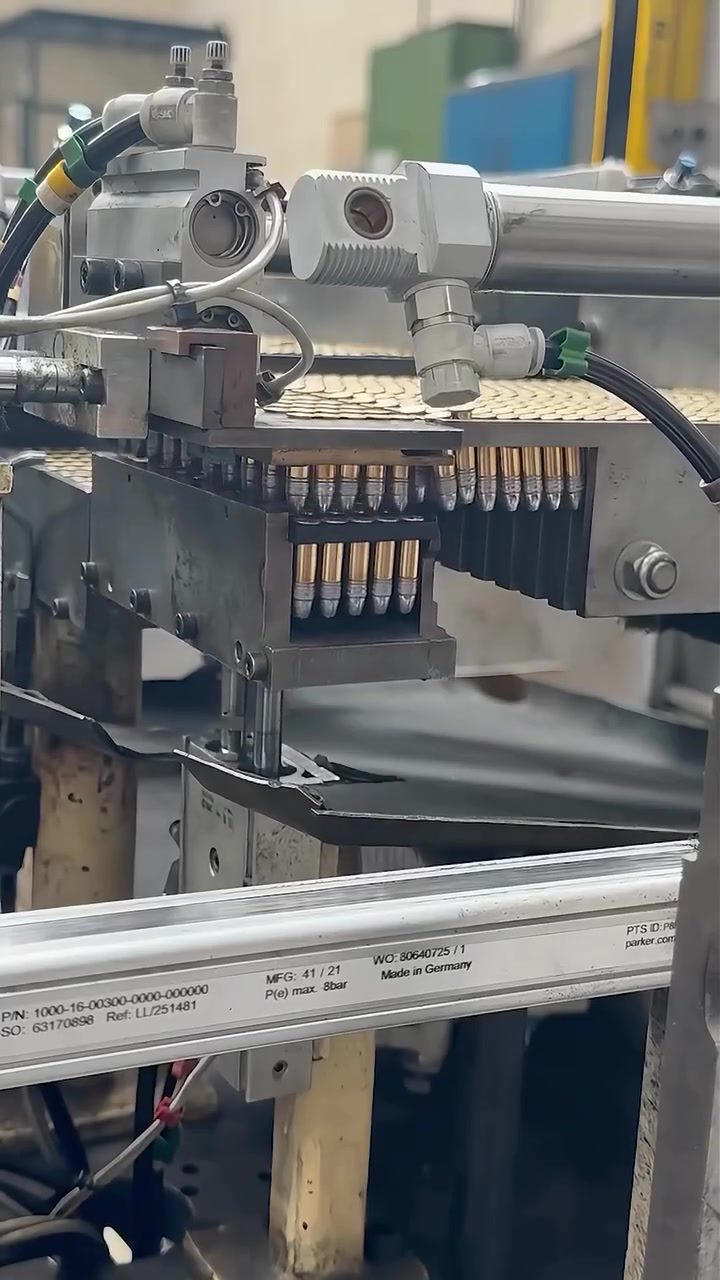
In modern industrial settings, precision and efficiency are paramount. Pneumatic valve systems play a crucial role in ensuring these standards are met, particularly in automated processes like ammunition manufacturing. These systems are integral to the controlled, multi-station press used for assembling centerfire ammunition cartridges.
Context
Pneumatic valve systems are essential in various industrial applications, including automotive, food processing, and, as highlighted here, ammunition manufacturing. In these settings, consistent pressure, alignment, and batch indexing are critical for high-speed, high-accuracy production. The pneumatic valve manifold, particularly those manufactured by SMC, exemplifies this precision and reliability.
Main Discussion
Role in Ammunition Manufacturing
In the manufacture of centerfire ammunition, precision is non-negotiable. Pneumatic valve systems ensure that bullets are seated and cases are crimped with consistent pressure and alignment. This controlled process is vital for the safety and reliability of the ammunition.
Seating Bullets and Crimping Cases
The process begins with seating the bullet. Pneumatic components ensure that the bullet is firmly seated in the cartridge case, achieving precise alignment. Following this, the case is crimped to secure the bullet. This crimping process requires consistent pressure to avoid deforming the case or damaging the bullet.
Batch Indexing
Batch indexing is another crucial function. This involves moving the cartridges through various stages of the assembly line. Pneumatic valve systems facilitate smooth and precise indexing, ensuring that each cartridge progresses through the assembly process correctly.
Components of a Pneumatic Valve System
Valves
The valves in a pneumatic valve manifold control the flow of compressed air. They are essential for directing air to the appropriate components at the right time, ensuring the seamless operation of the system. The valves must be reliable and durable, as they operate in demanding conditions.
Tubing and Connectors
Tubing and connectors are the conduits through which compressed air travels. These components must be robust and leak-proof to maintain the system's efficiency. The tubing is often made of materials that can withstand high pressure and high temperatures. Pneumatic valve systems that are reliable and long-lasting are key for efficient production.
Hydraulic Components
Hydraulic components complement the pneumatic system, providing additional force where needed. These components are crucial for tasks that require more power, such as heavy-duty crimping. The integration of hydraulic and pneumatic systems ensures a balanced approach to the manufacturing process.
SMC Valve Manifolds
The SMC pneumatic valve manifold highlighted in the content showcases a high level of engineering detail. The 'Made in Germany' label is a testament to the quality and precision of the manufacturing process. Each component is meticulously crafted, as indicated by the part numbers and reference codes visible on the components. This attention to detail ensures that the system operates reliably and consistently.
Part Numbers and Specifications
Part numbers like 'P/N 416-00300-000000' and reference codes such as 'Ref. LL/251481' are critical for maintenance and repair. These codes allow technicians to quickly identify and replace components, minimizing downtime.
Manufacturing Details
Details such as 'MFG: 41/21' indicate the manufacturing batch, which is essential for quality control and traceability. Additionally, codes like 'WO: 80640725/11' and 'PTS ID: P' provide specific information about the manufacturing process and the type of equipment used.
Industrial Automation
The pneumatic valve system is part of a larger automated industrial process. This automation ensures that the manufacturing process is consistent, reducing the risk of human error and increasing production efficiency. The system's ability to handle high-speed, high-accuracy production is vital in modern ammunition manufacturing.
Practical Tips
When working with pneumatic valve systems, especially in critical applications like ammunition manufacturing, it is essential to:
-
Regular Maintenance: Regularly inspect and maintain the valves, tubing, and connectors to ensure they are in good working condition. This includes checking for leaks, wear, and tear, and replacing components as needed.
-
Proper Lubrication: Ensure that all moving parts are properly lubricated. This reduces friction and extends the lifespan of the components.
-
Compressed Air Quality: Use clean, dry compressed air to prevent contaminants from entering the system. Contaminants can cause damage to the valves and other components.
-
Preventive Maintenance: Implement a preventive maintenance schedule to detect and address potential issues before they become major problems. This includes regular inspections, testing, and calibration of the system.
-
Training: Ensure that personnel are well-trained in the operation and maintenance of the pneumatic valve system. Proper training reduces the risk of errors and enhances the system's efficiency.
Important Takeaways
- Precision and Reliability: Pneumatic valve systems are essential for precision and reliability in industrial automation, particularly in ammunition manufacturing.
- Component Quality: High-quality valves, tubing, and connectors are crucial for the system's efficiency and longevity.
- Integration with Hydraulics: The combination of pneumatic and hydraulic components provides a balanced approach to manufacturing, ensuring both precision and power.
- Maintenance and Training: Regular maintenance and proper training are vital for the system's smooth operation and longevity.
Conclusion
Pneumatic valve systems, particularly those manufactured by SMC, are indispensable in modern industrial automation. They ensure consistent pressure, alignment, and batch indexing, which are crucial for high-speed, high-accuracy production in applications like ammunition manufacturing. By understanding and maintaining these systems, industries can achieve greater efficiency and reliability in their production processes.
Watch the Reel
Questions readers ask
How do pneumatic valve systems enhance precision in ammunition manufacturing?
Pneumatic valve systems ensure that bullets are seated and cases are crimped with exacting accuracy. They maintain consistent pressure and alignment, which are crucial for the safe and reliable assembly of ammunition. This precision is particularly important in automated processes where high- speed and high-accuracy production is required.
What role do pneumatic valve manifolds play in industrial automation?
In industrial automation, pneumatic valve manifolds, such as those made by SMC, are vital for controlling and distributing compressed air to various pneumatic components. They help in maintaining the necessary pressure and flow, ensuring smooth and precise operation of automated machinery, including those used in ammunition manufacturing.
Why are pneumatic valve systems essential in automated ammunition assembly?
Automated ammunition assembly requires consistent and precise operations, such as bullet seating and case crimping. Pneumatic valve systems facilitate these processes by providing controlled and accurate movements, ensuring that each cartridge meets the required specifications for safety and reliability.
What are the benefits of using automated pneumatic valve systems in the ammunition industry?
Automated pneumatic valve systems in the ammunition industry provide several benefits, including increased production efficiency, reduced human error, and improved product consistency. They enable high-speed, high-accuracy manufacturing, making them indispensable for modern ammunition production facilities.
How do pneumatic valve systems aid in batch indexing during ammunition production?
Pneumatic valve systems play a significant role in batch indexing by controlling the movement and positioning of ammunition components. They ensure that each component is correctly aligned and indexed, enabling consistent and efficient batch processing in high-speed manufacturing environments.
What are the specific benefits of using pneumatic valve systems for cartridge assembly?
Pneumatic valve systems ensure that each step of the cartridge assembly process, from bullet seating to case crimping, is carried out with high precision. They maintain consistent pressure and alignment, which is crucial for creating reliable and safe ammunition cartridges. Additionally, they enable automated processes, enhancing overall production efficiency.
What are the key benefits of using a pneumatic valve system for case crimping in ammunition manufacturing?
Pneumatic valve systems are ideal for case crimping due to their ability to apply consistent and precise pressure. This ensures that the case and bullet are securely fastened, enhancing the reliability and safety of the ammunition. Pneumatic valves also facilitate high-speed production, making them perfect for automated ammunition manufacturing processes.
Recent articles
Fresh deep dives from the latest Reels we unpacked.




Comments
Be the first to comment.