Industrial Cutting Machines: Automating Precision Manufacturing
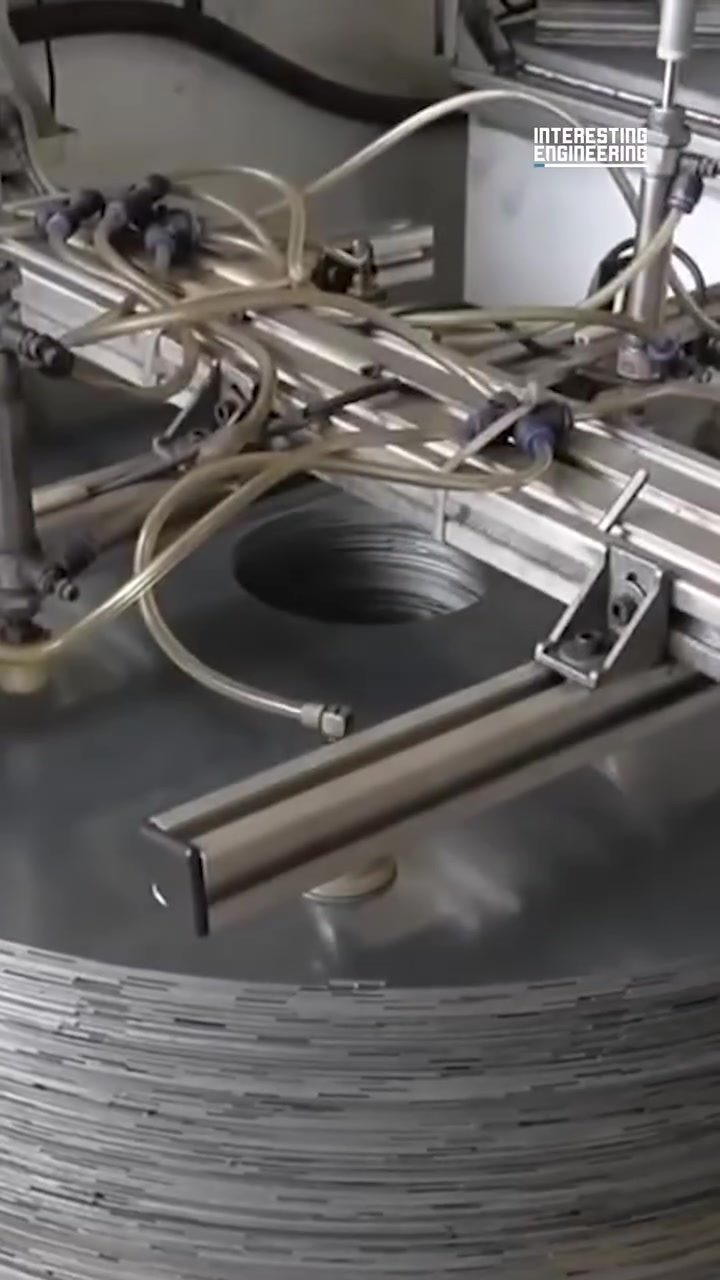
Industrial cutting machines play a crucial role in modern manufacturing, particularly in processes that require high precision and efficiency. These machines are essential for creating dense, uniform cores from stacked metal sheets, which are fundamental in various industrial applications.
Context / Why this matters
In today's fast-paced industrial landscape, the demand for high-volume, accurate manufacturing is at an all-time high. Industrial cutting machines, equipped with advanced automation and robotic arms, are at the forefront of meeting this demand. They not only enhance production efficiency but also ensure consistent quality, making them indispensable in industries ranging from automotive to aerospace.
Main discussion
The Role of Robotic Arms in Precision Cutting
Robotic arms are the backbone of automated disc cutting processes. These arms are programmed to position cutting tools with extreme precision, ensuring that each cut is accurate and consistent. This level of accuracy is vital in creating dense, uniform cores from stacked metal sheets. The robotic arms can handle various cutting tools, from saws to lasers, depending on the material and the required cut characteristics.
Engineering Complexity and High-Volume Production
Industrial cutting machines are designed to handle high-volume production efficiently. The engineering behind these machines is complex, involving intricate programming and mechanical design. The ability to automate the cutting process reduces the need for human intervention, which in turn minimizes errors and increases production speed. This makes these machines ideal for large-scale manufacturing operations, where precision and speed are critical.
Materials and Applications
The primary material used in these cutting processes is metal sheets. These sheets are pressed and stacked around a central form to create a dense, uniform core. This core is essential in various applications, including:
- Automotive Industry: For manufacturing components that require precise dimensions and uniform density.
- Aerospace Industry: For creating parts that need to withstand high stress and maintain structural integrity.
- Construction Industry: For producing metal structures that require precise cuts and uniform thickness.
Automation and Efficiency
Automation in industrial cutting machines significantly reduces production time and costs. By automating the cutting process, manufacturers can achieve higher production rates and reduce the need for manual labor. This not only increases efficiency but also enhances safety, as workers are not exposed to the hazards associated with manual cutting processes.
Practical tips
Maintenance and Upkeep
Regular maintenance is essential for the longevity and efficiency of industrial cutting machines. This includes:
- Daily Checks: Inspect the machine for any signs of wear or damage. Check the cutting tools for sharpness and replace them if necessary.
- Lubrication: Ensure all moving parts are well-lubricated to prevent friction and wear.
- Software Updates: Keep the machine's software up-to-date to ensure optimal performance and security.
Operator Training
Proper training of operators is crucial. Operators should be trained in:
- Machine Operation: Understanding how to operate the machine, including programming the robotic arm and setting the cutting parameters.
- Safety Protocols: Knowing the safety measures to prevent accidents and injuries.
- Troubleshooting: Identifying and resolving common issues that may arise during the cutting process.
Quality Control
Implementing a robust quality control system is essential. This involves:
- Inspection: Regularly inspecting the cut parts for accuracy and uniformity.
- Calibration: Regularly calibrating the machine to ensure it maintains the required precision.
- Documentation: Keeping detailed records of all inspections and calibrations to track the machine's performance over time.
Important takeaways
- Precision and Automation: Industrial cutting machines, particularly those equipped with robotic arms, ensure precise and automated cutting processes, vital for high-volume production.
- Material Handling: The ability to handle and cut metal sheets efficiently makes these machines indispensable in various industries, from automotive to aerospace.
- Maintenance and Training: Regular maintenance and operator training are crucial for the optimal performance and longevity of these machines.
- Quality Control: Implementing a robust quality control system ensures the consistency and accuracy of the cutting process.
Conclusion
Industrial cutting machines represent a significant advancement in manufacturing technology. Their ability to automate precision cutting processes, handle high-volume production, and maintain consistent quality makes them essential in modern industrial applications. By integrating these machines into manufacturing processes, industries can achieve greater efficiency, reduce costs, and enhance product quality.
Watch the Reel
Questions readers ask
What are the primary benefits of using disc cutting machines in manufacturing?
Disc cutting machines offer several key benefits, including enhanced precision, consistent cut quality, and increased efficiency. They ensure that metal sheets are cut exactly as required, reducing waste and the need for rework. Additionally, they can handle high-volume production, making them ideal for industries with demanding output requirements.
How do robotic arms improve the precision of disc cutting machines?
Robotic arms enhance the precision of disc cutting machines by providing consistent and exact movements. They can be programmed to follow specific cutting paths, ensuring that each cut is identical and meets the required specifications. This level of accuracy is particularly crucial in industries like automotive and aerospace, where components must fit together perfectly.
What types of industries benefit most from industrial cutting automation?
Industries that require high precision and uniformity in their metal components, such as automotive and aerospace, benefit most from industrial cutting automation. These sectors often need dense, uniform cores from stacked metal sheets, which can be efficiently and accurately produced using automated cutting processes.
Can disc cutting machines handle different types of metal sheets?
Yes, disc cutting machines are designed to handle a variety of metal sheets, including different thicknesses and materials. They are equipped with interchangeable cutting discs and can be programmed to adjust cutting parameters, allowing them to cut through various types of metal sheets efficiently and accurately.
How does automation in disc cutting machines enhance production efficiency?
Automation in disc cutting machines enhances production efficiency by reducing the need for manual intervention, minimizing errors, and increasing the speed of the cutting process. Robotic arms can operate continuously, ensuring a steady output of high-quality components, which significantly boosts overall manufacturing efficiency.
What role do robotic arms play in the industrial cutting process?
Robotic arms are integral to the industrial cutting process, as they execute precise, repetitive tasks with high accuracy. They can be programmed to perform complex cutting tasks, ensuring consistent results and reducing the likelihood of human error. This makes them essential for producing components that require a high degree of precision and uniformity.
How do disc cutting machines contribute to waste reduction in manufacturing?
Disc cutting machines contribute to waste reduction by ensuring precise and accurate cuts, which minimize the amount of material that needs to be discarded. Additionally, their ability to handle high-volume production efficiently reduces the need for excess raw materials, further enhancing sustainability in manufacturing processes.
Related deep dives
Similar reads based on topic and creator.


Recent articles
Fresh deep dives from the latest Reels we unpacked.




Comments
Be the first to comment.