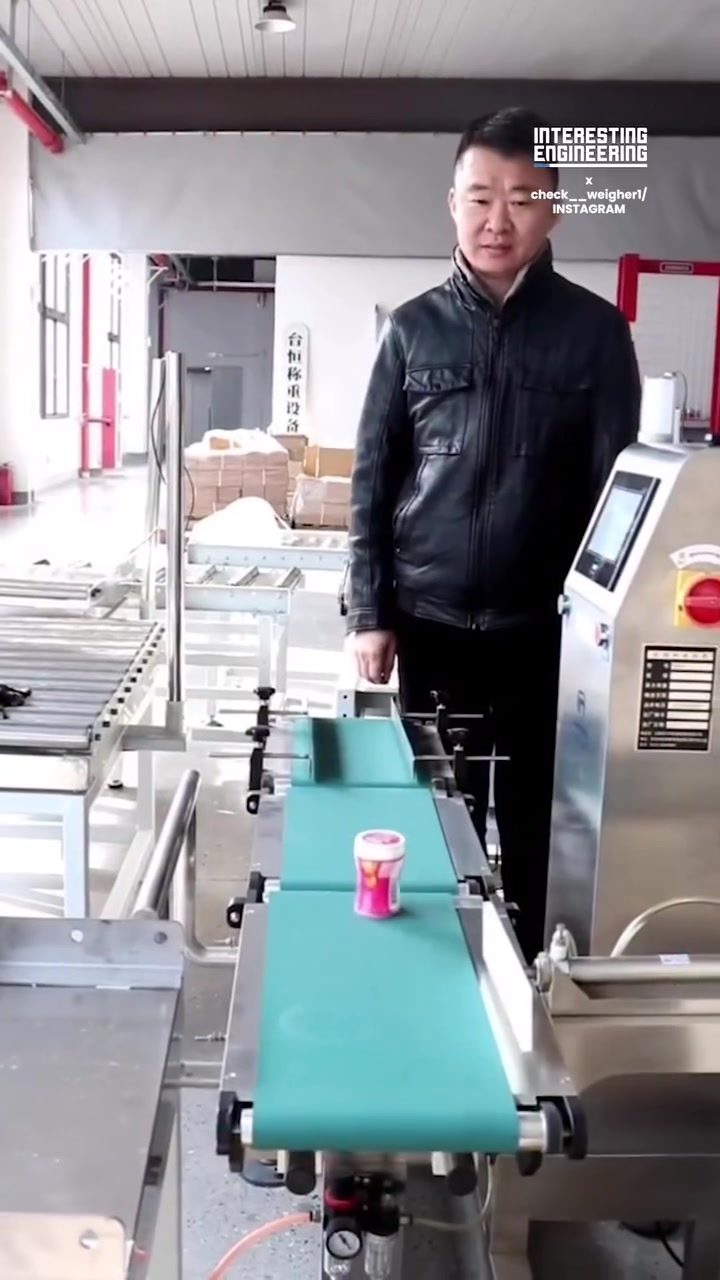
Automated Weighing Systems
Automated weighing systems have revolutionized the way industries handle and manage product sorting and packaging. These advanced machines use sophisticated technology to ensure that every item is weighed with precision, leading to significant improvements in efficiency and accuracy. One of the standout features of these systems is their ability to measure the weight of products to an incredibly fine degree, distinguishing even the slightest differences, such as the weight of a single piece of chewing gum.
Context / Why This Matters
In today's fast-paced industrial landscape, accuracy and speed are paramount. Automated weighing systems play a crucial role in maintaining quality control and ensuring that products meet the required specifications. These systems are particularly beneficial in industries where precise measurements are critical, such as food and beverage, pharmaceuticals, and manufacturing.
Whether it's a small bottle of liquid, a packet of snacks, or a container of pills, automated weighing systems can handle a wide variety of products. The ability to sort items based on their weight is a game-changer, as it allows for the efficient separation of items that meet the required weight standards from those that do not. This process not only saves time but also reduces waste and ensures that only high-quality products reach the market.
Main Discussion
How Automated Weighing Systems Work
Automated weighing systems typically consist of a conveyor belt that transports items to a weighing station. As each item passes through, it is weighed and then sorted based on its weight. This process is fully automated, meaning that it requires minimal human intervention, which further enhances its efficiency and reliability.
The conveyor belt is a critical component of the system. It moves items at a consistent speed, ensuring that each item is weighed accurately. The weighing station uses advanced sensors to measure the weight of the items, and the data is then processed by a control unit. The control unit determines whether the item meets the required weight standards and directs it to the appropriate sorting bin.
The Importance of Precision
Precision is at the heart of automated weighing systems. The ability to measure weight down to minute differences, such as the weight of a single piece of chewing gum, ensures that products are consistently weighed with high accuracy. This level of precision is essential in industries where even slight variations in weight can impact product quality and safety.
For example, in the pharmaceutical industry, ensuring that each pill or capsule meets the required weight specifications is crucial. Even a small deviation can affect the dosage, potentially leading to serious health issues for patients. Automated weighing systems provide the necessary precision to ensure that every product meets the required standards, thereby maintaining the integrity and reliability of the product.
Benefits of Automated Weighing Systems
There are several key benefits to using automated weighing systems. These include:
- Efficiency: Automated systems can weigh and sort large quantities of products in a short amount of time, significantly reducing the time required for manual weighing and sorting.
- Accuracy: The advanced sensors and control units ensure that each item is weighed with high precision, reducing the risk of errors and inconsistencies.
- Consistency: Automated systems provide consistent results, eliminating the variability that can occur with manual weighing.
- Cost Savings: By reducing the need for manual labor and minimizing waste, automated weighing systems can lead to significant cost savings for businesses.
- Improved Quality Control: The ability to sort items based on their weight ensures that only high-quality products reach the market, enhancing customer satisfaction and loyalty.
Applications in Different Industries
Automated weighing systems are used in a variety of industries, each with its own unique requirements and challenges. Here are a few examples:
- Food and Beverage: In this industry, accurate weighing is essential for ensuring that products meet the required weight specifications to meet the expectations of customers. Automated weighing systems can handle a wide range of products, from individual items like candy and snacks to bulk items like grains and liquids.
- Pharmaceuticals: Precision is crucial in the pharmaceutical industry, as even slight variations in weight can affect the efficacy of medications. Automated weighing systems ensure that each pill, capsule, or vial meets the required weight specifications, maintaining the integrity and reliability of the product.
- Manufacturing: In manufacturing, automated weighing systems are used to ensure that raw materials and finished products meet the required weight standards. This is particularly important in industries where precision is critical, such as aerospace and automotive.
- Retail: Retailers use automated weighing systems to ensure that products are accurately priced and packaged. This is especially important for items sold by weight, such as fresh produce, meat, and fish.
Practical Tips
When implementing an automated weighing system, there are several practical tips to keep in mind:
- Choose the Right System: Select a system that is designed for your specific industry and product requirements. Consider factors such as the type of products you need to weigh, the required weight range, and the speed at which items need to be processed.
- Ensure Regular Maintenance: Regular maintenance is essential for keeping your automated weighing system in good working condition. Follow the manufacturer's recommendations for maintenance and inspections to ensure that the system remains accurate and reliable.
- Monitor Performance: Regularly monitor the performance of your automated weighing system to ensure that it is operating as expected. Use performance metrics such as accuracy, speed, and consistency to identify any potential issues and make necessary adjustments.
- Consider Upgrading: As technology advances, newer models of automated weighing systems may offer improved features and capabilities. Consider upgrading your system to take advantage of the latest innovations, such as advanced sensors, improved control units, and enhanced software.
Important Takeaways
Automated weighing systems are a vital component of modern industrial processes. Their precision, efficiency, and consistency make them an invaluable tool for maintaining quality control and ensuring that products meet the required specifications.
By using these systems, businesses can achieve significant cost savings, reduce waste, and improve customer satisfaction. Whether in the food and beverage, pharmaceutical, manufacturing, or retail industries, automated weighing systems provide the necessary accuracy and reliability to meet the demands of today's fast-paced industrial landscape.
Conclusion
The precision and efficiency of automated weighing systems make them indispensable in various industries. By ensuring that products are accurately weighed and sorted, these systems help maintain high-quality standards, reduce waste, and improve overall efficiency. Whether you are in the food and beverage, pharmaceutical, manufacturing, or retail sector, investing in an automated weighing system can provide numerous benefits, from cost savings to improved customer satisfaction. Embracing this technology can help your business stay competitive and meet the ever-increasing demands of the market.
Watch the Reel
Questions readers ask
What are the primary benefits of using automated weighing systems in industries like food, beverage, and pharmaceuticals?
Automated weighing systems offer several benefits in these industries, including enhanced precision and speed. They ensure that products are weighed accurately, reducing waste and improving overall efficiency. Additionally, they help maintain quality control and reduce manual labor, leading to more consistent and reliable processes.
How do automated weighing systems achieve such high precision?
These systems use advanced technology, including load cells and sophisticated algorithms, to measure the weight of items with incredible accuracy, often distinguishing differences as small as a single gram. This precision is maintained through continuous calibration and high-resolution sensors.
Can automated weighing systems be integrated into existing production lines?
Yes, automated weighing systems are designed to be integrated into existing production lines. They often work seamlessly with conveyor belts and other automated sorting systems, making them a versatile solution for various industrial setups. These systems can be customized to fit specific production needs and workflows.
What role do automated weighing systems play in quality control?
Automated weighing systems are essential for quality control as they ensure that products meet the required specifications. By accurately measuring the weight of items, these systems help identify and reject products that do not meet the set standards, ensuring consistency and reliability in the final product.
How do automated weighing systems handle different types of products?
Automated weighing systems are highly adaptable and can handle a wide range of products, from small items like pills to larger packages. They can be calibrated to handle various densities and sizes, making them suitable for different industries, including food, pharmaceuticals, and beyond.
What are the maintenance requirements for automated weighing systems?
Regular maintenance is crucial for keeping automated weighing systems in optimal condition. This includes routine calibration to ensure accuracy, cleaning to prevent contamination, and periodic inspections to detect any wear and tear. Most manufacturers provide maintenance guidelines to help ensure the longevity and reliability of these systems.
What are some common applications of automated weighing and sorting systems in the food and beverage industry?
In the food and beverage industry, automated weighing and sorting systems are used for tasks such as portion control, ensuring consistent product weight, and sorting items based on weight. They are commonly found in areas like packaging, quality control, and inventory management, where precision and efficiency are critical.
Related deep dives
Similar reads based on topic and creator.

Recent articles
Fresh deep dives from the latest Reels we unpacked.




Comments
Be the first to comment.