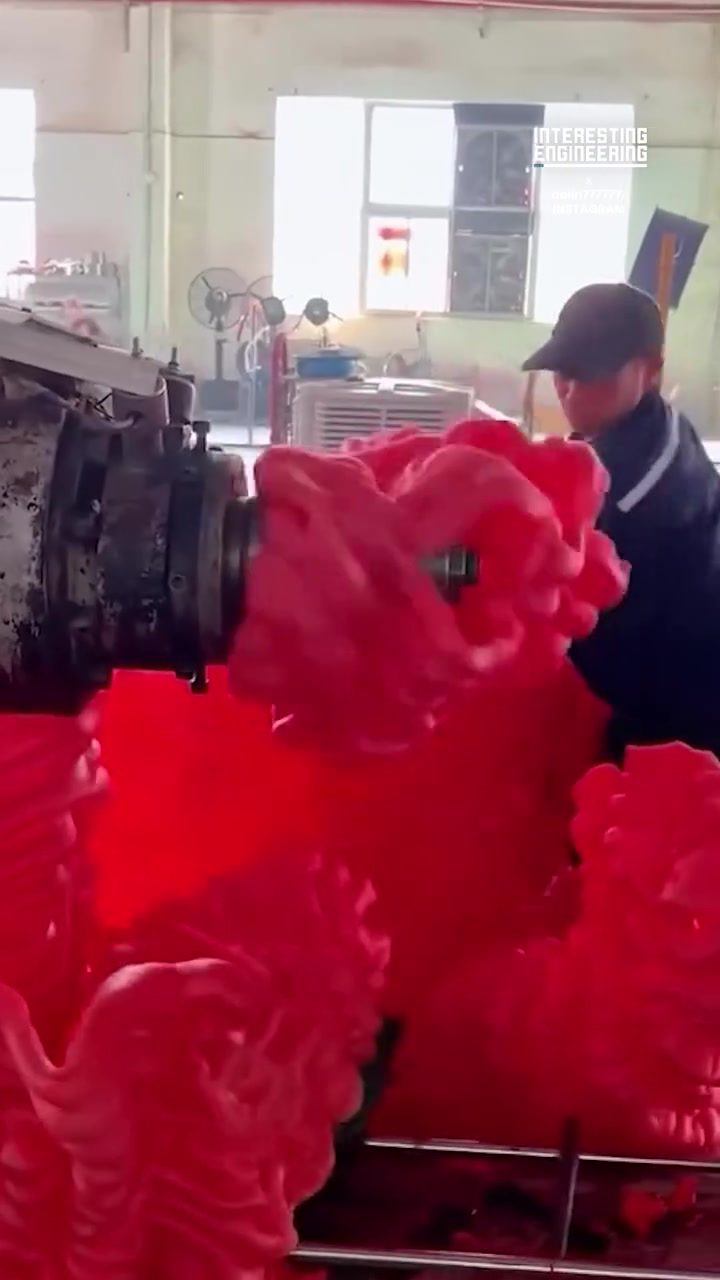
Fabric Rolling Machines: The Backbone of Textile Manufacturing
Fabric rolling machines play a crucial role in the textile manufacturing process, especially in large-scale production operations. These industrial machines automate the process of rolling fabric onto spools, ensuring efficiency and consistency in textile production.
Context: Why This Matters
In the textile industry, the efficiency of fabric handling and processing is paramount. Fabric rolling machines streamline the production line by automating the rolling process, which is essential for maintaining high productivity and minimizing manual labor. This automation is particularly important in the context of molten polymer processing, where precise control and stability are required to form structured sheets.
Main Discussion
The Role of Fabric Rolling Machines
Fabric rolling machines are designed to handle large volumes of fabric, making them indispensable in industrial settings. These machines are equipped with rollers that guide the fabric through a series of automated steps, ensuring that it is rolled evenly and tightly onto spools. This process is critical for maintaining the integrity and quality of the fabric, especially when dealing with materials like molten polymer.
The Fabric Rolling Process
The process begins with molten polymer being forced through a shaping die. This die gives the polymer its initial shape, which is then guided through a series of rollers. These rollers not only shape the polymer into structured sheets but also help in cooling and stabilizing it. The structured sheets are then cooled and stabilized, ensuring that they retain their shape and properties.
Automation and Efficiency
Automation is a key feature of fabric rolling machines. Automated systems reduce the need for manual intervention, which can be error-prone and time-consuming. This automation ensures that the fabric is rolled consistently, reducing the risk of defects and maintaining high-quality standards. In a factory setting, these machines are part of a larger production line, working in conjunction with other industrial machinery to optimize the overall manufacturing process.
Key Components of a Fabric Rolling Machine
Fabric rolling machines consist of several key components:
-
Shaping Die: This component is crucial in giving the molten polymer its initial shape. It ensures that the polymer is extruded into a consistent and uniform form.
-
Rollers: Rollers are used to guide the polymer through the machine and help in forming structured sheets. They also play a role in cooling and stabilizing the polymer.
-
Cooling and Stabilizing System: After the polymer is shaped into sheets, it needs to be cooled and stabilized. This system ensures that the polymer retains its shape and properties, making it suitable for further processing.
Practical Tips
Safety Precautions
When operating a fabric rolling machine, safety is paramount. Always ensure that the machine is properly maintained and that all safety protocols are followed. Regular maintenance checks can help prevent accidents and ensure that the machine operates smoothly.
Machine Maintenance
Regular maintenance is essential for the longevity and efficiency of fabric rolling machines. This includes cleaning the rollers, checking the shaping die for any wear and tear, and ensuring that the cooling and stabilizing system is functioning correctly. Regular maintenance can also help in identifying potential issues before they become major problems.
Operator Training
Proper training is crucial for operators of fabric rolling machines. Operators should be familiar with the machine's components and how to handle the molten polymer safely. Training should also cover emergency procedures and safety protocols to ensure that operators can handle any situation that arises.
Important Takeaways
- Fabric rolling machines are essential for the efficient and consistent production of textiles.
- Automation in these machines reduces manual labor and minimizes the risk of defects.
- The process involves forcing molten polymer through a shaping die and guiding it through rollers to form structured sheets.
- Safety, maintenance, and operator training are crucial for the effective operation of these machines.
Conclusion
Fabric rolling machines are a cornerstone of modern textile manufacturing, offering automation and precision that are vital for high-volume production. By understanding the process and key components of these machines, as well as implementing best practices for safety and maintenance, textile manufacturers can ensure consistent quality and efficiency in their operations.
Watch the Reel
Questions readers ask
How do automated fabric rolling machines improve textile production efficiency?
Automated fabric rolling machines significantly enhance textile production efficiency by automating the rolling process, reducing the need for manual labor and ensuring consistency. This leads to faster production times and higher output, particularly in large-scale manufacturing operations.
What are the benefits of using automated fabric rolling machines in polymer production?
In polymer production, automated fabric rolling machines are crucial for handling molten polymers. They provide precise control and stability, ensuring that the fabric is rolled evenly and tightly, which is essential for maintaining high product quality and preventing defects.
How do fabric rolling machines ensure consistent fabric rolling?
Fabric rolling machines use advanced roller-guided techniques to shape and roll the fabric consistently. This process involves precise control over the tension and alignment of the fabric, ensuring that it is rolled evenly and tightly without any wrinkles or misalignments.
What role does automated fabric rolling play in the process of fabric cooling?
Automated fabric rolling machines often incorporate cooling mechanisms to manage the temperature of the fabric as it is rolled. This is particularly important when handling materials like molten polymers, as it helps to stabilize the fabric and prevent thermal damage, ensuring a high-quality end product.
Why is the precise control offered by automated fabric rolling machines important in textile manufacturing?
Precise control in automated fabric rolling machines is vital for maintaining the structural integrity of the fabric and ensuring high product quality. It minimizes defects, such as wrinkles or uneven rolls, which can lead to wasted materials and reduced overall production efficiency.
How do automated fabric rolling machines handle large-scale textile manufacturing?
Automated fabric rolling machines are designed to handle the demands of large-scale textile manufacturing by processing substantial amounts of fabric quickly and efficiently. They can operate continuously, reducing downtime and increasing overall production capacity, which is crucial for meeting high-volume production requirements.
What are some common techniques used in automated fabric rolling for polymer production?
Common techniques used in automated fabric rolling for polymer production include roller-guided shaping, precise tension control, and thermal management. These techniques ensure that the molten polymer is rolled into a structured sheet with consistent thickness and minimal defects, maintaining high-quality standards throughout the process.
Related deep dives
Similar reads based on topic and creator.
Recent articles
Fresh deep dives from the latest Reels we unpacked.




Comments
Be the first to comment.