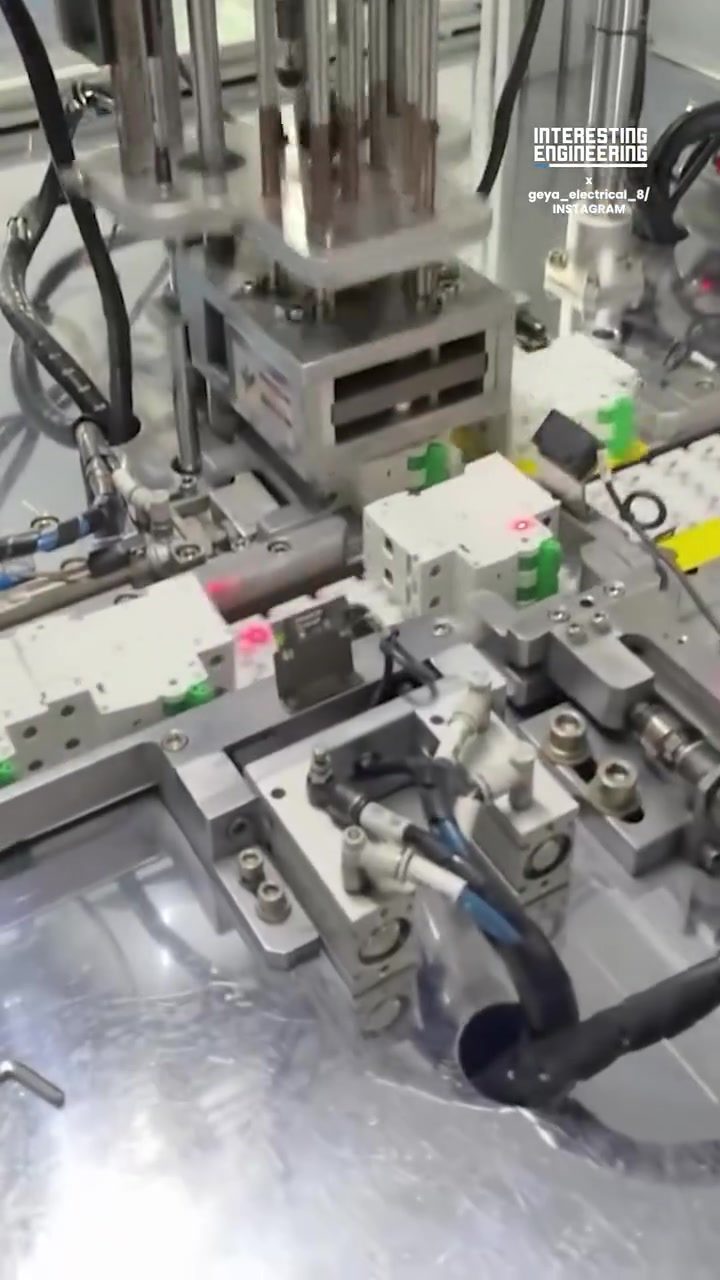
Automated Assembly Machines: Precision in Manufacturing
Automated assembly machines have revolutionized modern manufacturing by enhancing precision and efficiency. These machines are essential in industries like electronics, automotive, and aerospace, where precision and consistency are critical. Let's delve deeper into the world of automated assembly machines, exploring their components, applications, and the latest advancements.
Why This Matters
Understanding the workings of automated assembly machines is crucial for anyone involved in or interested in modern manufacturing. These machines not only increase production efficiency but also ensure that each component is manufactured to exact specifications, reducing waste and errors. By improving processes, automated assembly machines contribute to the overall quality and reliability of the final products.
Key Components and Operation
Robotic Arms
Robotic arms are the backbone of any automated assembly machine. They are responsible for picking, placing, and manipulating parts with extreme precision. These arms are programmed to follow specific paths, ensuring that each part is handled correctly. The precision of robotic arms makes them ideal for tasks that require high accuracy, such as assembling delicate electrical components.
Precision Mechanical Parts
The mechanical components of an automated assembly machine are designed to work in harmony with the robotic arms. These parts include conveyors, drills, and other specialized tools. Each component is carefully calibrated to ensure that the final product meets the required specifications. The synchronized operation of these parts is crucial for the machine's overall efficiency and accuracy.
Synchronized Stations
Automated assembly machines often feature multiple synchronized stations, each responsible for a specific step in the manufacturing process. For example, in the assembly of electrical connectors, one station might be responsible for bending the metal, while another might be responsible for inserting the pins. This modular approach allows for flexibility and scalability, making it easier to adjust the production process as needed.
Control Systems
The control systems of automated assembly machines are responsible for coordinating the various components. These systems use advanced algorithms and sensors to monitor the production process in real-time, making adjustments as necessary. Modern control systems often incorporate artificial intelligence and machine learning, allowing the machines to learn from past operations and improve over time.
Applications and Benefits
Electrical Components
One of the most common applications of automated assembly machines is in the manufacturing of electrical components. These machines can handle the delicate and precise tasks required for assembling connectors, circuit boards, and other electrical parts. The precision and speed of automated assembly machines make them ideal for high-volume production.
Automotive Industry
In the automotive industry, automated assembly machines are used to manufacture a wide range of components, from engine parts to interior fittings. The machines' ability to handle complex tasks with high accuracy ensures that each component is manufactured to exact specifications, contributing to the overall quality and reliability of the vehicle.
Aerospace
In the aerospace industry, precision is paramount. Automated assembly machines are used to manufacture critical components that must meet stringent safety and performance standards. These machines ensure that each part is manufactured with the highest level of accuracy, contributing to the safety and reliability of aerospace vehicles.
Practical Tips for Optimizing Automated Assembly Machines
Regular Maintenance
Regular maintenance is essential for keeping automated assembly machines in optimal condition. This includes checking for wear and tear, lubricating moving parts, and ensuring that all components are functioning correctly. Regular maintenance helps to prevent breakdowns and extends the lifespan of the machine.
Calibration
Calibration is the process of adjusting the machine's settings to ensure that it operates within the required specifications. Regular calibration helps to maintain the machine's accuracy and precision, ensuring that each component is manufactured to the highest standards.
Upgrading Software
The software that controls automated assembly machines is constantly evolving. Upgrading the software to the latest version can improve the machine's performance and efficiency. Additionally, upgrades can introduce new features and capabilities, allowing the machine to handle more complex tasks.
Training
Operators and technicians need to be properly trained to operate and maintain automated assembly machines. Training programs should cover all aspects of the machine's operation, from basic controls to advanced programming. Well-trained operators can maximize the machine's capabilities and ensure that it operates at peak efficiency.
Important Takeaways
Automated assembly machines play a critical role in modern manufacturing, enhancing precision and efficiency across various industries. The key components, including robotic arms, precision mechanical parts, and control systems, work together to ensure that each component is manufactured to exact specifications. Regular maintenance, calibration, upgrades, and training are essential for optimizing the performance of these machines.
Conclusion
Automated assembly machines have transformed the manufacturing landscape, enabling the production of high-quality components with unparalleled precision and efficiency. Whether in the electrical, automotive, or aerospace industries, these machines are indispensable for modern manufacturing processes. By understanding their components and applications, and by following best practices for maintenance and operation, manufacturers can leverage the full potential of automated assembly machines to drive innovation and excellence.
Watch the Reel
Questions readers ask
What are the primary benefits of using automated assembly machines in manufacturing?
Automated assembly machines offer several key benefits, including increased production efficiency, reduced waste, and minimized errors. They ensure that each component is made to exact specifications, which is crucial for industries like electronics, automotive, and aerospace. Additionally, these machines can operate continuously, leading to higher output and improved product reliability.
How do automated assembly machines enhance precision in manufacturing?
Automated assembly machines enhance precision by using programmable controls and advanced sensors to ensure each component is produced to exact specifications. This level of accuracy is vital in industries where even the slightest deviation can lead to significant issues. By maintaining consistent precision, these machines help improve overall product quality and reliability.
What industries benefit the most from automated assembly lines?
Industries that benefit the most from automated assembly lines include electronics, automotive, and aerospace. These sectors require high precision and consistency in their manufacturing processes. Automated assembly lines help ensure that each component is produced to exact specifications, reducing waste and errors, which is essential for maintaining high standards of quality and reliability.
What components are typically involved in an automated assembly line?
An automated assembly line typically includes various components such as robotic arms, conveyors, sensors, and programmable logic controllers (PLCs). These components work together in a synchronized manner to perform tasks like picking and placing, assembling, and inspecting parts. The integration of these components ensures smooth and efficient assembly line operations.
How do automated assembly machines contribute to waste reduction in manufacturing?
Automated assembly machines contribute to waste reduction by ensuring precise and consistent production. They minimize errors and defects, which reduces the amount of scrap material generated. Additionally, these machines can optimize material usage, further reducing waste. By improving the efficiency of manufacturing processes, automated assembly machines help lower overall production costs.
What advancements have been made in automated assembly lines recently?
Recent advancements in automated assembly lines include the integration of artificial intelligence (AI) and machine learning (ML) for predictive maintenance and real-time adjustments. These technologies help in monitoring the performance of machines and predicting potential failures, thereby reducing downtime. Additionally, advancements in robotics and sensors have improved the precision and speed of assembly line operations.
Related deep dives
Similar reads based on topic and creator.

Recent articles
Fresh deep dives from the latest Reels we unpacked.




Comments
Be the first to comment.