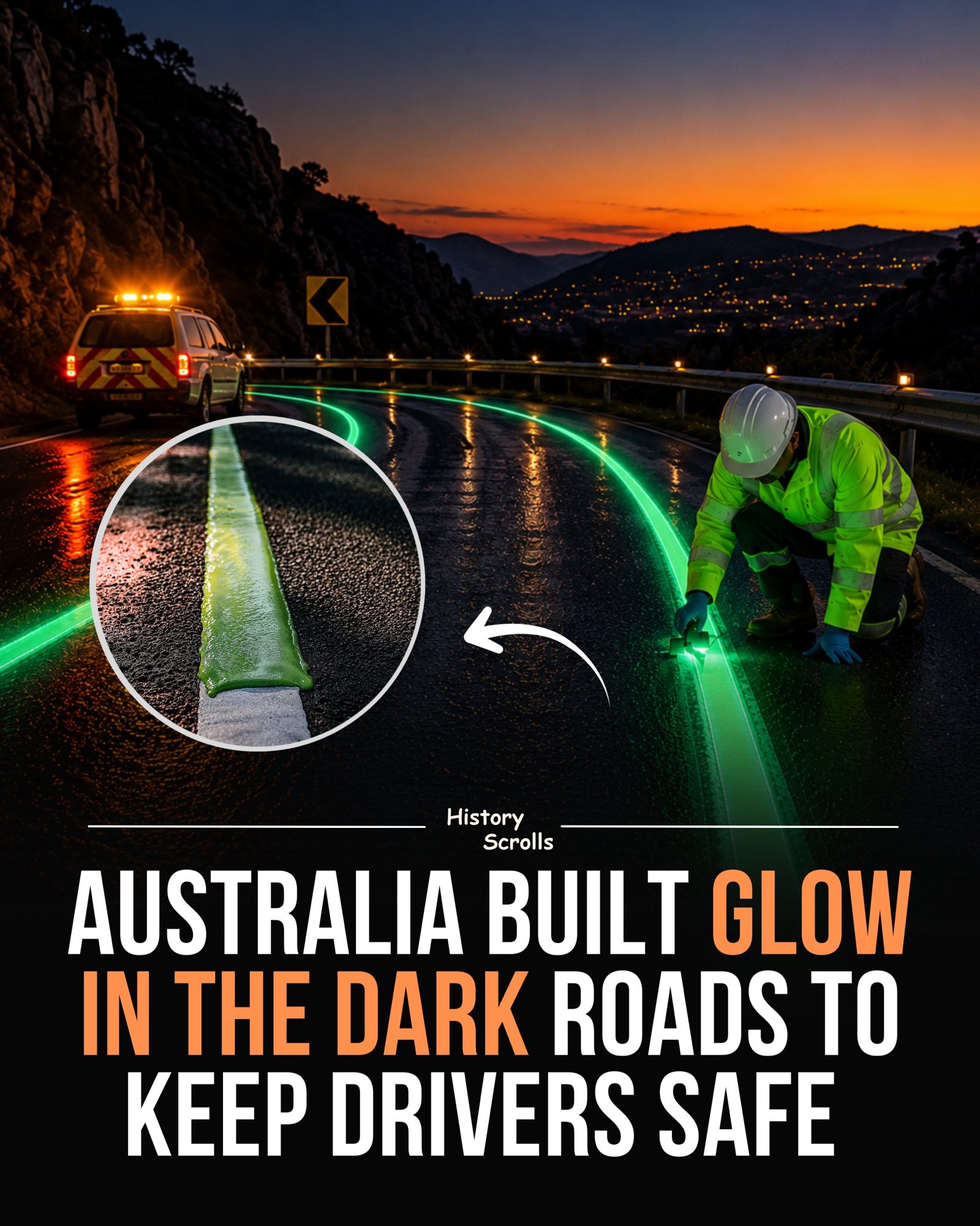
Glow-In-The-Dark Road Markings in Australia
Road safety is a critical concern for drivers, especially during nighttime travels. In Australia, innovative solutions are being tested to enhance driver safety and reduce accidents. Glow-in-the-dark road markings have been implemented as a trial on Bulli Pass in New South Wales, a road notorious for night-time near misses.
Context / Why This Matters
The implementation of glow-in-the-dark road markings on Bulli Pass serves a dual purpose: improving visibility and reducing the need for additional streetlights. Traditional road markings can become barely visible at night, leading to potential accidents. Highlighting this issue, Bulli Pass has been a hotspot for night-time near misses. By incorporating glow-in-the-dark materials, drivers can better navigate the road, stay within their lanes, and avoid potential hazards.
These road markings absorb sunlight during the day and emit a green glow at night. This innovative solution not only enhances safety but also reduces the environmental impact of excessive street lighting. If successful, this technology could be extended to other high-risk roads across Australia, setting a new standard for road safety measures.
Understanding How Glow-In-The-Dark Road Markings Work
The glow-in-the-dark materials used on Bulli Pass are designed to absorb and store UV light from the sun during the day. This stored energy is then released as a visible green glow at night. The process involves a special coating that is applied directly to the road surface, ensuring that the markings are both durable and visible.
Application Process
Applying the glow-in-the-dark material to the road surface is straightforward. Workers spread the coating evenly across the desired areas, ensuring it adheres properly. The material is then left to cure, allowing it to absorb sunlight efficiently. This process is crucial for maintaining the road’s safety features, as it ensures the markings remain visible at night.
Visual and Functional Benefits
The primary advantage of glow-in-the-dark road markings is their ability to improve visibility. Road markings that are difficult to see at night, such as lane lines and directional arrows, are enhanced with the glowing material. This significantly aids drivers in navigating the road, especially during poor weather conditions, which can exacerbate visibility issues.
Safety Enhancements
Improved visibility is only one aspect of how glow-in-the-dark road markings enhance safety. The technology also reduces the reliance on streetlights, which can be both costly and environmentally taxing. Fewer streetlights mean reduced energy consumption and less pollution, contributing to a greener and more sustainable infrastructure.
Benefits for Drivers
For drivers, the most significant benefit is the increased safety margin during nighttime driving. Glow-in-the-dark road markings provide clear guidance, helping drivers stay in their lanes and avoid potential collisions. This is particularly important on winding roads like Bulli Pass, where clear lane markings can prevent accidents.
Reducing Near Misses
Bulli Pass has long been a concern for local authorities due to its high rate of night-time near misses. These incidents often occur when visibility is poor, and drivers cannot see lane markings or potential hazards clearly. The implementation of glow-in-the-dark road markings aims to significantly reduce these near misses by making the road more navigable at night.
Environmental Considerations
The environmental benefits of using glow-in-the-dark road markings are also noteworthy. By reducing the necessity for additional streetlights, the technology helps lower energy consumption and carbon emissions. This sustainable approach aligns with broader environmental goals, making it a win-win for both road safety and environmental conservation.
Practical Tips
For those interested in adopting similar technologies or understanding their application, here are some practical tips:
Consider the Road Surface
When applying glow-in-the-dark materials, it is crucial to ensure that the road surface is clean and free of debris. This allows the material to adhere properly and absorb sunlight effectively. The quality of the road surface can significantly impact the visibility of the markings at night.
Proper Maintenance
Regular maintenance is essential for ensuring the longevity and effectiveness of glow-in-the-dark road markings. This includes periodic inspections to check for wear and tear and reapplication of the material if necessary. Proper maintenance ensures that the markings remain visible and functional over time.
Community Involvement
Community feedback is also valuable. Local residents and drivers can provide insights into the effectiveness of the road markings and suggest improvements. Engaging with the community can help identify areas that may need additional attention or improvements, ensuring the safety of all road users.
Takeaways
Glow-in-the-dark road markings on Bulli Pass in New South Wales offer a promising solution to enhance road safety during nighttime driving. These markings improve visibility, reduce the need for additional streetlights, and potentially lower accidents.
- Safety: The glow-in-the-dark material improves visibility, making it easier for drivers to navigate roads at night and reducing the risk of accidents.
- Sustainability: The technology reduces the need for streetlights, contributing to lower energy consumption and fewer carbon emissions.
- Effectiveness: If successful, the trial could pave the way for wider implementation on other high-risk roads across Australia, significantly improving overall road safety.
Conclusion
The implementation of glow-in-the-dark road markings on Bulli Pass in New South Wales represents a significant step towards improving road safety and sustainability. By enhancing visibility and reducing the need for additional streetlights, this innovative solution offers numerous benefits to drivers, local authorities, and the environment. As the trial progresses, it holds the potential to revolutionize road safety measures, setting a new standard for infrastructure development across Australia.
Watch the Reel
Questions readers ask
How do glow-in-the-dark road markings work?
Glow-in-the-dark road markings function by absorbing and storing sunlight during the day. These materials are designed to release this stored energy as a green glow at night, making the road markings visible even in low light conditions. This helps to improve night road safety for drivers.
Where in Australia are glow-in-the-dark road markings being tested?
Glow-in-the-dark road markings are currently being tested on Bulli Pass in New South Wales. This specific stretch of road was chosen due to its history of night-time near misses, making it an ideal location to assess the benefits of these innovative road safety innovations.
What are the benefits of glow-in-the-dark road markings?
The primary benefits of glow-in-the-dark road markings include improved night visibility, which helps drivers to navigate more safely, and a reduced need for additional streetlights. This not only enhances road safety but also contributes to energy conservation and lower maintenance costs.
Can glow-in-the-dark road markings replace traditional road markings?
While glow-in-the-dark road markings offer significant advantages for night road safety, they are not intended to completely replace traditional road markings. Instead, they are designed to complement existing markings, particularly in areas where visibility is a concern, such as curves and sharp turns.
How do green glowing roads improve night driving?
Glowing road markings improve night driving by providing clear, visible guidance to drivers, even in low-light conditions. This helps drivers to better navigate the road, anticipate turns, and avoid potential hazards, ultimately making driving at night safer and less stressful.
Related deep dives
Similar reads based on topic and creator.

Recent articles
Fresh deep dives from the latest Reels we unpacked.




Comments
Be the first to comment.