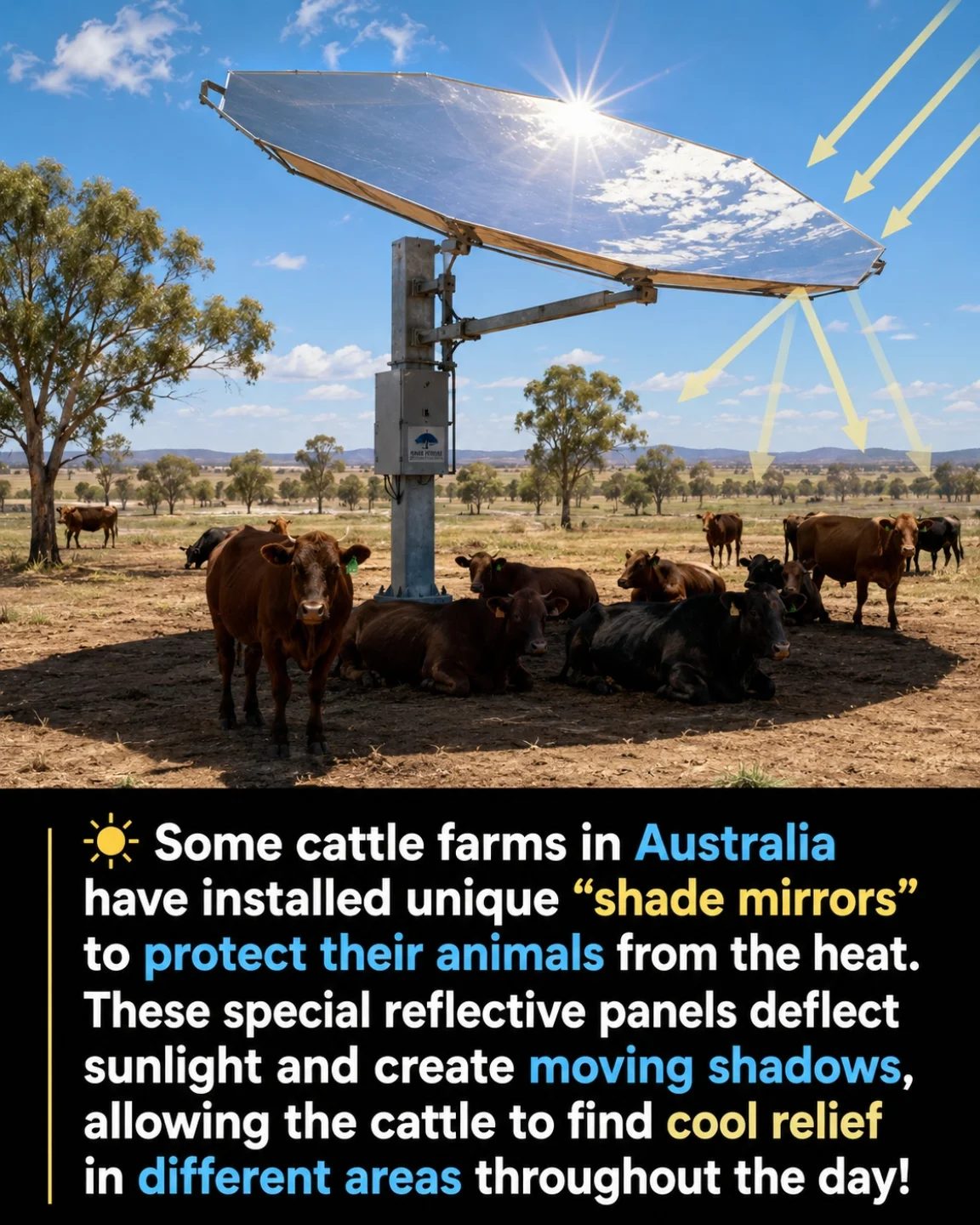
Cattle Shade Mirrors: An Innovative Solution for Heat Protection in Australian Farms
Cattle farming in Australia faces significant challenges, particularly during the hotter months. One innovative solution that has gained traction is the use of cattle shade mirrors. These mirrors are designed to provide relief from the harsh Australian sun, ensuring the well-being of the cattle.
Why This Matters
Australia's climate can be unforgiving, with temperatures often soaring to extreme levels, especially in the summer. Cattle, being large animals, are particularly susceptible to heat stress. Heat stress can lead to reduced milk production, decreased fertility, and even mortality in severe cases. This is why finding effective ways to cool down cattle is crucial. Traditional methods like providing shade trees or artificial shelters can be costly and may not always be practical, especially in vast, open fields.
The Science Behind Shade Mirrors
Shade mirrors function by deflecting sunlight, creating shaded areas that cattle can use to escape the direct heat. These mirrors are typically mounted on poles and can be adjusted to follow the sun's movement throughout the day. This dynamic shading ensures that the cattle have access to cool relief in different areas as the sun moves across the sky.
How They Work
The mirrors are essentially large, reflective panels that act as sunlight deflectors. By redirecting the sunlight, they create shaded spots on the ground where the cattle can rest. The mirrors are often made of materials that can withstand harsh weather conditions, ensuring durability and longevity. Some designs may also include automated systems to adjust the angle of the mirror, providing optimal shading throughout the day.
Benefits for Cattle
Cattle that have access to shade mirrors have been observed to show lower signs of heat stress. These mirrors help in maintaining a cooler body temperature, which is essential for the overall health and productivity of the cattle. This not only improves their well-being but also boosts productivity, as cooler cattle are more likely to graze and produce more milk.
Design and Installation
Shade mirrors come in various sizes and designs, depending on the specific needs of the farm. Larger farms may require multiple mirrors to cover extensive grazing areas, while smaller farms might only need a few. The installation process typically involves setting up a pole and mounting the mirror at an appropriate height. The mirror's angle can be adjusted manually or with the help of automated systems.
Types of Shade Mirrors
There are different types of shade mirrors available in the market, each with its unique features:
- Fixed Shade Mirrors: These are permanently mounted and do not move. They are best suited for areas where the sun's position does not vary significantly throughout the day.
- Adjustable Shade Mirrors: These can be manually adjusted to follow the sun's movement, providing more consistent shading.
- Automated Shade Mirrors: Equipped with sensors and motors, these mirrors automatically adjust their position to provide optimal shading throughout the day.
Installation Tips
When installing shade mirrors, it's important to consider the layout of the farm and the movement of the sun. Placing the mirrors in strategic locations can maximize their effectiveness. Additionally, regular maintenance is essential to ensure the mirrors remain in good condition and continue to deflect sunlight effectively.
Cost and Maintenance
The cost of shade mirrors can vary depending on the size, type, and features. Fixed mirrors are generally more affordable, while automated systems come at a higher price. However, the long-term benefits, such as improved cattle health and productivity, often justify the initial investment. Regular maintenance, including cleaning and checking the mounting system, is necessary to keep the mirrors functional.
Practical Tips for Using Shade Mirrors
To get the most out of shade mirrors, consider the following practical tips:
- Positioning: Place the mirrors in areas where cattle frequently graze. This ensures that they have access to shaded relief when they need it most.
- Cleaning: Regularly clean the mirrors to remove dust and debris, ensuring they remain effective at deflecting sunlight.
- Adjustment: For adjustable and automated mirrors, make sure they are correctly calibrated to follow the sun's movement.
- Monitoring: Keep an eye on the cattle's behavior. If they seem to be avoiding the shaded areas, there might be an issue with the mirror's positioning or effectiveness.
Important Takeaways
Shade mirrors offer a practical and effective solution for protecting cattle from the harsh Australian sun. By deflecting sunlight, they create shaded areas that provide relief from heat stress. This not only improves the cattle's well-being but also enhances their productivity. For farmers considering this technology, it's essential to choose the right type of mirror, install it correctly, and maintain it regularly.
Conclusion
Cattle shade mirrors are a valuable addition to any Australian farm looking to protect their livestock from heat stress. By providing shaded relief, these mirrors help maintain the health and productivity of cattle, ensuring a more resilient and profitable farming operation. Whether you opt for fixed, adjustable, or automated mirrors, the benefits of using this innovative technology are clear. Take the step towards a cooler, more productive farm by exploring the possibilities of shade mirrors.
Watch the Reel
Questions readers ask
How do cattle shade mirrors work to protect livestock from the sun?
Cattle shade mirrors function by reflecting sunlight away from the grazing area, creating a mobile, shaded space for cattle to rest and reduce their body temperature. The mirrors deflect direct sunlight, helping to maintain a comfortable environment for the animals during the hottest parts of the day.
What are the benefits of using cattle shade mirrors on Australian farms?
Benefits include enhanced animal welfare, as cattle experience reduced heat stress. This leads to improved productivity, such as increased milk production and better fertility rates. Additionally, shade mirrors can help decrease the risk of heat-related illnesses and fatalities, contributing to a more sustainable and profitable farm operation.
Can shade mirrors be used in conjunction with other heat management strategies?
Yes, cattle shade mirrors can complement other heat management strategies for a comprehensive approach. These could include providing access to clean, cool water, ensuring adequate ventilation in barns, and implementing strategic grazing patterns to minimize exposure to peak sun hours.
How are shade mirrors installed and maintained on farms?
Shade mirrors are typically installed on tracks or stands that allow for adjustment based on the sun's position. Regular maintenance includes cleaning the reflective surfaces to ensure optimal performance and checking the structural integrity of the supports. Farmers should also monitor the mirrors for any signs of wear and tear.
What factors should farmers consider when choosing shade mirrors for their cattle?
Farmers should consider the size of the grazing area, the specific needs of their cattle, and the local climate. Reflective mirrors that provide ample coverage and are durable enough to withstand outdoor conditions are essential. Additionally, the design should allow for easy adjustment to maximize shade throughout the day.
How do reflective mirrors impact the grazing behavior of cattle?
Reflective mirrors can provide cattle with a more comfortable and less stressful environment, encouraging them to spend more time in shaded areas. This can lead to improved grazing patterns, as cattle are more likely to rest and feed in cooler, shaded spots, reducing the impact of heat stress on their overall health and productivity.
Are there any environmental considerations for using shade mirrors on farms?
While shade mirrors help reduce heat stress in cattle, farmers should also consider the environmental impact. Proper placement and use can minimize light pollution and glare. Additionally, sustainable materials and eco-friendly maintenance practices should be considered to ensure that the mirrors contribute to a healthier, more sustainable farming ecosystem.
Related deep dives
Similar reads based on topic and creator.



Recent articles
Fresh deep dives from the latest Reels we unpacked.




Comments
Be the first to comment.