Asphalt Repair
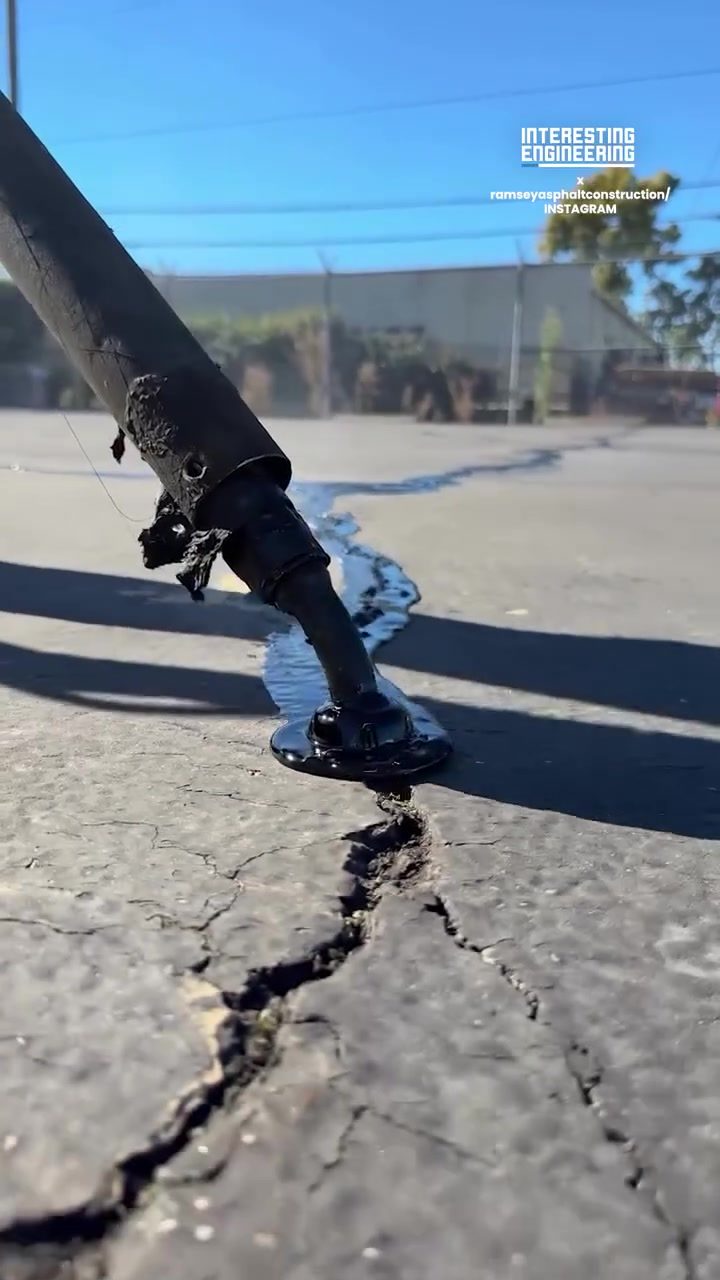
Asphalt crack sealing is a critical maintenance process that extends the lifespan of roads, parking lots, and industrial pavement surfaces. This involves applying heated, rubberized bitumen into pavement cracks to prevent water penetration, slow further deterioration, and improve surface durability. The process demonstrates how essential this task is for maintaining robust, long-lasting pavement structures.
Why Asphalt Repair Matters
A well-maintained pavement surface is vital for both safety and longevity. Water intrusion is one of the primary causes of asphalt degradation. When water seeps into cracks, it weakens the underlying structure, leading to potholes and other damage. By sealing these cracks, the pavement's durability is significantly enhanced, preventing further deterioration and the need for more extensive repairs.
Main Discussion
The Process of Asphalt Crack Sealing
The process of asphalt crack sealing involves several key steps. First, the cracks are cleaned to remove any debris or loose material. This ensures a clean surface for the sealant to adhere properly. Next, the cracks are filled with heated, rubberized bitumen. This substance, also known as hot asphalt, is designed to expand and contract with temperature changes, maintaining a strong seal.
The heated bitumen is poured into the cracks using specialized asphalt repair tools. These tools often come with a built-in heating mechanism to keep the bitumen at the optimal temperature for application. The bitumen is then smoothed out to create a level surface. Proper sealing helps prevent water intrusion, which is crucial for maintaining the pavement's integrity.
Benefits of Hot Asphalt Crack Sealing
Hot asphalt crack sealing offers several advantages. Firstly, it prevents water from seeping into the pavement, which is a leading cause of asphalt deterioration. By keeping water out, the pavement remains durable and less likely to develop potholes and other damage.
Additionally, the sealing process helps to slow the deterioration of the pavement. When cracks are left unsealed, they can expand over time, leading to more significant problems. By sealing these cracks, the pavement's lifespan is extended, reducing the need for costly repairs or repaving.
Types of Asphalt Repair Tools
There are various tools available for asphalt crack sealing. One common tool is the asphalt crack-filling machine, which heats and dispenses the bitumen into the cracks. These machines are equipped with a heating element to keep the bitumen at the right temperature, ensuring a smooth application.
Another essential tool is the crack fill rod, which is used to smooth out the bitumen after it has been applied. This ensures the surface is level and free of bumps. The rod also helps to compact the bitumen, creating a strong seal.
Practical Tips
Choosing the Right Sealant
When choosing a sealant for asphalt crack repair, it is essential to select a product that is designed for your specific needs. For example, rubberized bitumen is a popular choice for its ability to expand and contract with temperature changes. This flexibility ensures a strong seal, even in varying weather conditions.
Cleaning the Crack
Before applying the sealant, it is crucial to clean the crack thoroughly. This involves removing any debris, loose material, and vegetation. A wire brush or compressed air can be used to ensure the surface is clean and ready for the sealant. If the crack is particularly dirty, a pressure washer may be necessary. Cleaning is a critical step, as a dirty surface can compromise the sealant's adhesion.
Ensuring Proper Application
Proper application is key to the effectiveness of the sealant. The bitumen should be heated to the manufacturer's recommended temperature and applied evenly. It is essential to fill the crack completely, ensuring no air pockets are left. After applying the bitumen, use a crack fill rod to smooth out the surface, creating a level finish.
Important Takeaways
The Importance of Timely Repairs
Timely repairs are essential for maintaining the integrity of asphalt surfaces. Small cracks, if left unattended, can quickly escalate into more significant issues. Regular inspections and prompt repairs can save considerable time, money, and effort in the long run. Preventative maintenance, such as crack sealing, is a cost-effective way to ensure the longevity of pavement structures.
The Role of Quality Tools
Quality tools play a crucial role in the success of asphalt crack sealing. Investing in reliable equipment ensures that the process is carried out efficiently and effectively. Proper tools help in the even distribution of the sealant, creating a strong and durable seal.
Preventing Water Intrusion
Water intrusion is one of the most significant threats to asphalt surfaces. Sealing cracks helps to keep water out, preventing damage to the underlying structure. This not only extends the lifespan of the pavement but also reduces the risk of potholes and other surface defects.
Conclusion
Asphalt crack sealing is a vital process for maintaining the durability and longevity of pavement surfaces. By applying heated, rubberized bitumen into cracks, water intrusion is prevented, slowing further deterioration and extending the pavement's lifespan. This process not only improves surface durability but also ensures the safety and integrity of roads, parking lots, and industrial pavement surfaces. With the right tools, sealant, and application techniques, asphalt crack sealing can be an effective and cost-efficient maintenance practice.
Watch the Reel
Questions readers ask
What is the primary purpose of asphalt crack sealing with heated bitumen?
The main goal of asphalt crack sealing with heated bitumen is to extend the lifespan of pavement surfaces by preventing water penetration, which is a leading cause of asphalt deterioration.
How does heated bitumen application improve pavement durability?
Heated bitumen application improves pavement durability by sealing cracks and protecting the underlying structure from water damage. This process slows further deterioration and enhances the overall resilience of the pavement surface.
What are the benefits of using rubberized bitumen for crack repair on pavement?
Rubberized bitumen is designed to withstand temperature fluctuations, making it an ideal choice for crack repair. It provides a flexible, durable seal that expands and contracts with changing temperatures, preventing further cracking and water intrusion.
Why is preventing water penetration in asphalt so important?
Preventing water penetration in asphalt is crucial because water seepage weakens the underlying structure, leading to the formation of potholes and other damage. By sealing cracks, water is kept out, enhancing the pavement's longevity and safety.
What is the process of asphalt crack sealing with heated bitumen?
The asphalt crack sealing process involves cleaning the cracks to remove any debris, then filling them with heated, rubberized bitumen. This specialized bitumen is applied using a heated applicator, ensuring it bonds effectively with the existing pavement.
How does asphalt crack sealing with heated bitumen benefit industrial pavements?
For industrial pavements, asphalt crack sealing with heated bitumen ensures heavy traffic and equipment can operate safely and smoothly. The sealed pavement reduces the risk of damage from heavy loads and improves overall surface durability.
What are the signs that asphalt pavement needs crack sealing?
Signs that asphalt pavement needs crack sealing include visible cracks, especially those that are wider than 1/4 inch, and areas where water tends to pool. Regular inspections can help identify these issues early, allowing for timely maintenance and repair.
Recent articles
Fresh deep dives from the latest Reels we unpacked.




Comments
Be the first to comment.