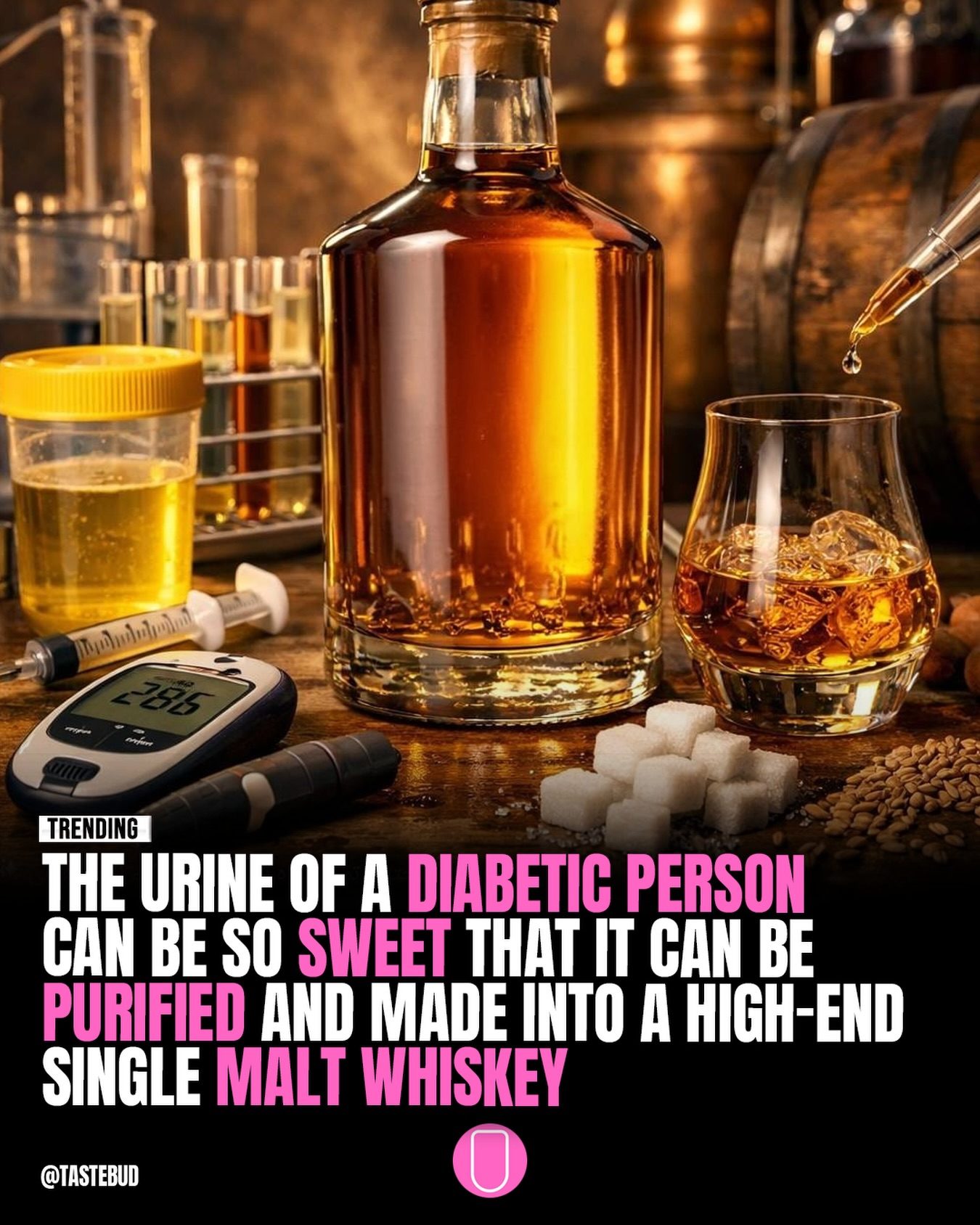
Whiskey and diabetes aren't typically two topics you'd hear in the same sentence. Yet, Scottish artist James Gilpin has found a way to connect them, creating a unique, conceptual project that challenges our perceptions of waste, purity, and value. Gilpin, who has Type 1 diabetes, harnessed the unexpected sweetness of diabetic urine to produce what he calls a "high-end single malt whiskey."
Context / Why this matters
The concept behind Gilpin's project is both provocative and thought-provoking. When diabetes is not properly managed, excess sugar appears in the urine. This urine, though often seen as waste, contains glucose, which is the primary sugar used in fermentation. By purifying the urine and extracting these sugars, Gilpin repurposed them into a substance that can be fermented and distilled into alcohol.
This process is not merely a gimmick. It reflects a growing trend in modern art and science to challenge conventional norms and explore unconventional ideas, particularly those that revolve around sustainability and repurposing waste.
In this case, Gilpin transformed something usually considered worthless into a culturally valuable object, purely to provoke conversation. Whether or not you think it's a good idea or gross, there's no denying the power of his conceptual project to spark dialogue about waste, purity, and what we consider acceptable in science and food.
Main discussion
The process of creating whiskey from diabetic urine
The key to understanding Gilpin's project lies in the chemistry behind diabetes and whiskey production. Unmonitored diabetes causes elevated blood sugar levels, which can lead to sugar leaking into the urine. Normally, this glucose is simply discarded, seen as a byproduct of the body's inability to manage sugar levels. But Gilpin saw an opportunity in this waste.
The process he used involved several steps:
- Purification: The primary step was to purify the urine to extract the glucose. This involved removing impurities and contaminants, leaving a pure glucose solution.
- Fermentation: The glucose was then fermented using yeast. During fermentation, the yeast consumes the glucose and converts it into alcohol.
- Distillation: The fermented liquid was then distilled to separate the alcohol from the water and other byproducts. This process involved heating the liquid to evaporate the alcohol, which was then condensed back into a liquid form.
The conceptual "whiskey"
The result of this process was a conceptual "whiskey." The liquid was never intended for consumption, as the project was purely to start discussions.
The aesthetic and cultural implications
The visual presentation of the whiskey—bottles, glasses, and a glucose meter—serves as a stark reminder of the connection between diabetes and the production process. The dramatic lighting and high-end presentation mimic the aesthetics of a luxury whiskey, challenging viewers to reconsider their biases and perceptions of waste and purity.
Practical tips
While Gilpin's project is primarily conceptual and not meant for practical application, there are a few practical takeaways from the overall idea:
Reevaluating waste
Gilpin's work encourages us to think about waste in a new light. Often, we discard things without considering their potential value. This project suggests that even the most unlikely sources can be repurposed with the right scientific and creative thinking.
The role of art in science
Conceptual art can serve as a catalyst for scientific exploration. By pushing the boundaries of what is considered acceptable, artists can challenge scientists and the public to think outside the box. This interdisciplinary approach can lead to innovative solutions and new perspectives.
The importance of community engagement
Projects like Gilpin's are designed to spark conversation and engagement. They highlight the importance of community involvement in discussing and debating complex issues. By sharing his work on public platforms, Gilpin invites others to think critically about waste, purity, and the value we place on things.
Important takeaways
Whiskey and diabetes are two vastly different realms. However, through his project, Gilpin demonstrates how science meets art to garner attention for several issues. The process of turning diabetic urine into whiskey, while unconventional, highlights the natural sugars in urine and their potential for fermentation. This project challenges our perceptions of waste, purity, and value, encouraging us to think differently about what we discard.
Embracing unconventional ideas
Gilpin's work is a testament to the power of unconventional ideas. By thinking outside the box and challenging conventional norms, we can uncover new possibilities and solutions. Whether it's through art, science, or a combination of both, embracing unconventional ideas can lead to groundbreaking discoveries.
The value of art in sparking conversation
Art has a unique ability to provoke thought and spark conversation. Works like Gilpin's are designed to challenge our perceptions and values, encouraging us to think critically and debate complex issues. By sharing his work, Gilpin invites the public to engage in meaningful discussions about waste, purity, and the value we place on things.
Conclusion
The intersection of whiskey and diabetes in Gilpin's project is a bold and provocative statement. It challenges our perceptions of waste, purity, and value, and encourages us to think critically about what we discard. By transforming something seen as worthless into a culturally valuable object, Gilpin's work sparks important conversations about sustainability, science, and art. Whether you find the idea intriguing or unconventional, there's no denying the power of his conceptual project to provoke thought and debate.
Watch the Reel
Questions readers ask
How does James Gilpin use diabetes to create whiskey?
James Gilpin, who has Type 1 diabetes, collects his urine to produce a unique whiskey. The sugar in the urine is purified and extracted to create a fermentation substance. The fermentation process then produces a high-end single malt spirit.
Why is Gilpin's whiskey concept considered provocative?
The concept is provocative because it challenges traditional notions of waste and purity. It repurposes diabetic urine, typically seen as waste, into a valuable ingredient for whiskey production, which is an uncommon and inventive idea.
What is the fermentation process in whiskey production?
Fermentation is the process where sugars are converted into alcohol by yeast. In Gilpin's case, the sugars come from purified and extracted urine. This is a necessary step in transforming the sugars into a spirit.
Why did Gilpin choose to use diabetic urine for his whiskey project?
Gilpin chose to use diabetic urine because it contains high levels of glucose, a sugar that can be fermented to produce alcohol. As someone with Type 1 diabetes, he had personal access to this unique resource and wanted to challenge perceptions of waste and purity.
What is the significance of Gilpin's whiskey concept in modern art and science?
Gilpin's project reflects a growing trend in modern art and science of exploring unconventional ideas and challenging our perceptions of waste and purity. It serves as a thought-provoking piece that bridges the gaps between art, science, and human experiences.
Is Gilpin's whiskey safe to consume?
The whiskey produced is safe to consume as Glpin has a process to purify and extract the sugars from the urine. However, the safety and legality of consuming such a whiskey may vary depending on local regulations and health guidelines.
What challenges might Gilpin face in producing this unique whiskey?
Gilpin might face several challenges, including ensuring the purity of the extracted sugars, navigating health and safety regulations, and potentially dealing with social and cultural perceptions of diabetes and waste. Additionally, producing a consistent and high-quality whiskey from a non-traditional source can be technically demanding.
Related deep dives
Similar reads based on topic and creator.


Recent articles
Fresh deep dives from the latest Reels we unpacked.




Comments
Be the first to comment.