Pool Plastering: The Process of Resurfacing Swimming Pools
Pool plastering is a crucial process that revitalizes the appearance and functionality of swimming pools. This process involves applying a fresh layer of colored plaster to the pool's surface, which not only enhances its aesthetic appeal but also ensures durability and waterproofing.
Understanding the Importance
Resurfacing a swimming pool with plaster is not just about aesthetics; it significantly impacts the pool's longevity and performance. Over time, the surface of a pool can degrade due to exposure to chemicals, weather, and general wear and tear. A fresh layer of plaster addresses these issues, restoring the pool's structural integrity and ensuring it remains waterproof. Additionally, the blue coating provided by the plaster enhances the water's vibrant, crystal-clear appearance, making the pool more inviting and enjoyable.
The Pool Plastering Process
Preparing the Surface
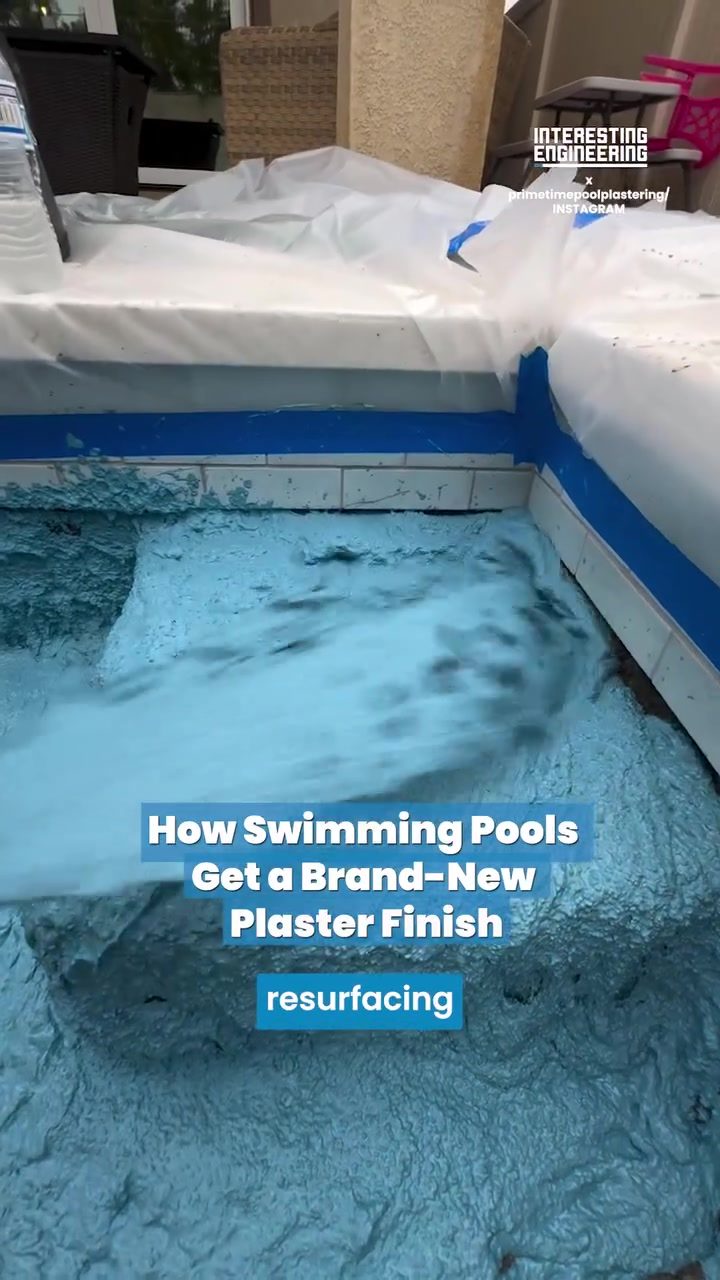
Before applying the new plaster, thorough preparation is essential. The surrounding areas are masked to protect them from plaster debris, and the existing surface is cleaned to remove any dirt or loose material. This step ensures that the new plaster adheres properly and creates a smooth, uniform finish.
Applying the Plaster
The plaster is applied using a pump, which ensures an even distribution across the pool's walls, floor, steps, and spa. This method guarantees that every surface area is covered uniformly, preventing any weak spots or uneven patches. The workers use hand-finishing techniques to smooth out the plaster, ensuring a flawless and durable finish. This process not only restores the pool's appearance but also improves its durability and creates a waterproof finish.
Tools and Techniques
Specialized tools and techniques are employed to achieve a high-quality finish. Trowels are essential for smoothing the plaster and ensuring a uniform surface. The careful troweling process eliminates any bumps or imperfections, resulting in a sleek and polished look. The combination of a pump for application and hand-finishing techniques ensures that every detail is meticulously attended to.
Color and Finish
The blue-colored plaster is carefully selected for its ability to enhance the water's vibrant blue color. This coating not only looks appealing but also helps in maintaining the pool's clean and pristine appearance. The blue hue reflects light, giving the water a vivid and inviting look that adds to the overall ambiance of the pool area.
Drying and Curing
After applying the plaster, it is allowed to dry and cure properly. This step is crucial as it ensures that the plaster firms up and bonds well with the pool surface. During this phase, it is important to avoid any heavy use or contact with the pool to prevent damage to the new finish. Once properly cured, the pool is ready for use.
Practical Tips for Pool Plastering
Choosing the Right Plaster
Selecting the right type of pool plaster is essential for achieving the desired finish. Different types of plasters offer varying levels of durability, color, and finish. Consulting with a professional can help determine the best option based on your specific pool requirements and preferences.
Regular Maintenance
Regular maintenance is key to extending the life of your pool's plaster finish. This includes routine cleaning, chemical balancing, and periodic inspections. Regularly checking for cracks or signs of wear can help address issues early, preventing more significant problems.
Professional Assistance
While some pool owners may attempt DIY plastering, it is often best to hire professionals. Experienced professionals have the necessary tools, techniques, and expertise to ensure a high-quality finish. They can also provide valuable advice on maintaining the plaster and addressing any issues that may arise.
Important Takeaways
- Enhances Durability: Pool plastering improves the durability of the pool's surface, making it more resistant to wear and tear.
- Waterproofing: The process creates a waterproof finish, preventing leaks and water damage.
- Aesthetic Appeal: The blue-colored plaster enhances the water's vibrant blue color, making the pool more visually appealing.
- Uniform Finish: Careful troweling ensures a smooth and uniform surface, free from bumps or imperfections.
Conclusion
Pool plastering is a comprehensive process that not only enhances the appearance of a swimming pool but also improves its functionality and durability. By understanding the steps involved and following practical tips, pool owners can maintain a pristine and inviting pool area. Whether you are considering a DIY project or hiring professionals, investing in pool plastering is a worthwhile endeavor that ensures many years of enjoyment.
Watch the Reel
Questions readers ask
Why is plaster the preferred choice for pool resurfacing?
Plaster is favored for pool resurfacing due to its durability, waterproofing capabilities, and ability to restore a pool's structural integrity. It also provides a smooth, vibrant surface that enhances the pool's appearance.
How long does the pool resurfacing process with plaster typically take?
The duration of pool resurfacing with plaster can vary but typically takes between 3 to 7 days. This includes surface preparation, plaster application, and drying time. The exact timeline depends on the pool's size and condition.
What are the key steps involved in the pool resurfacing process?
The pool resurfacing process begins with thorough surface preparation, which includes cleaning, acid washing, and repairing any cracks or damages. Next, a fresh layer of colored plaster is applied using specialized techniques to ensure a smooth and even finish.
Can I choose different colors for the new pool plaster finish?
Yes, pool plaster comes in a variety of colors, allowing you to customize the appearance of your pool. The most popular choice is a blue finish, which gives the water a beautiful, inviting hue.
How often should I consider resurfacing my pool with plaster?
The frequency of pool resurfacing depends on usage, maintenance, and environmental factors. Generally, it is recommended to resurface every 10 to 15 years to maintain the pool's durability and appearance.
What kind of maintenance is required after pool resurfacing with plaster?
New pool plaster finish requires minimal maintenance. Regular cleaning, maintaining proper water chemistry, and avoiding harsh chemicals will help prolong the lifespan of the plaster finish.
What are the benefits of hiring professional pool resurfacing workers?
Professional pool resurfacing workers bring expertise and experience, ensuring a high-quality finish and proper application techniques. They also have the necessary equipment to handle the job efficiently and safely.
Recent articles
Fresh deep dives from the latest Reels we unpacked.




Comments
Be the first to comment.