Payroll Errors and Unexpected Income
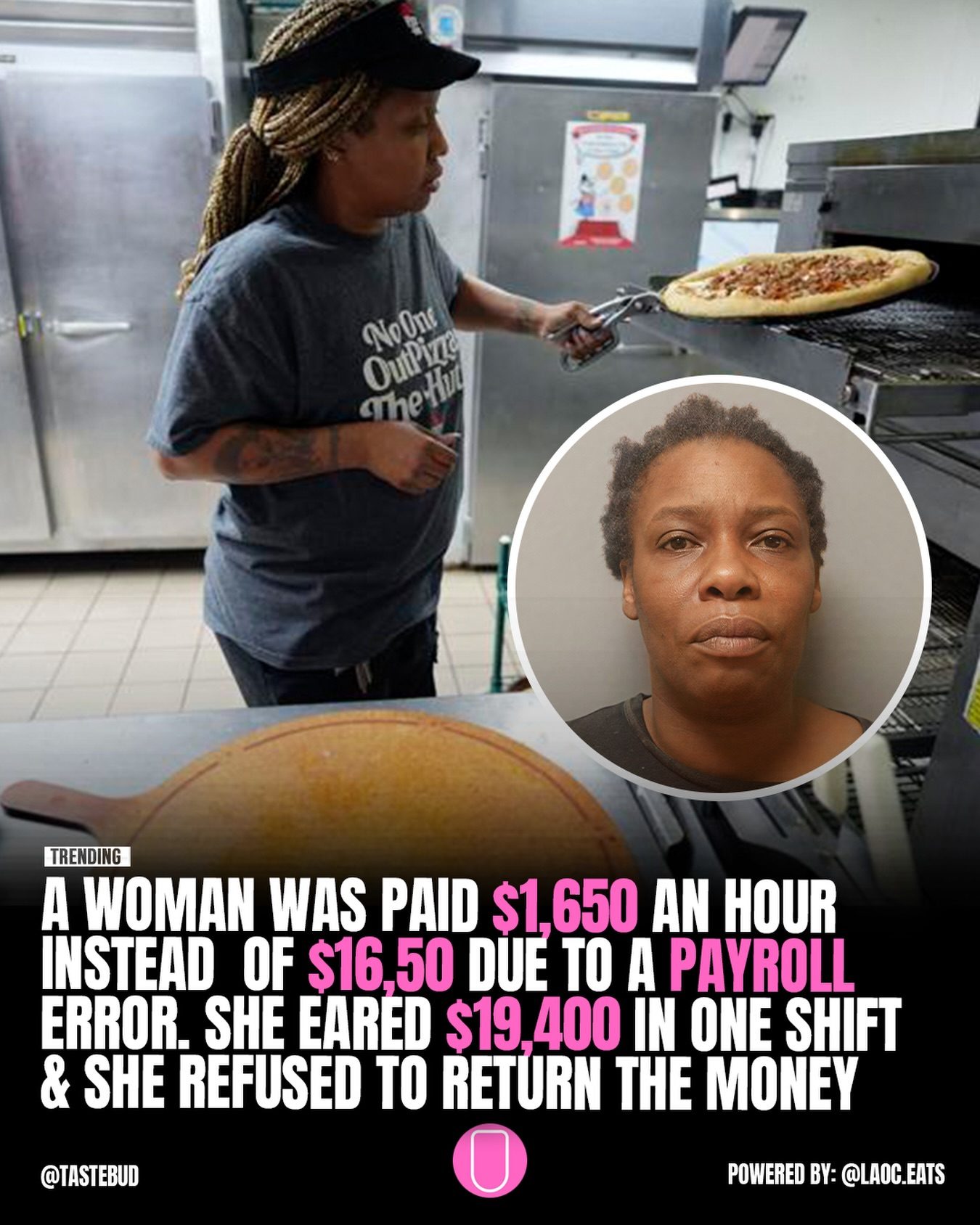
A payroll error led to a significant overpayment in Arkansas, where a woman was mistakenly paid $1,650 per hour instead of $16.50. This error resulted in her receiving nearly $19,400 for a single 12-hour shift, far exceeding her actual wage. The incident sparked a debate about responsibility in such cases, particularly when employees refuse to return the excess funds.
Context
Payroll errors, though rare, can have substantial financial and legal implications. Understanding the context of this incident provides insight into the complexities of payroll management and employee-employer relationships.
The Incident Unfolds
The woman in question worked a 12-hour shift and, due to a payroll error, was paid at a rate of $1,650 per hour instead of the correct $16.50. This simple mistake transformed a standard paycheck into an unexpected windfall of nearly $19,400. The error was only discovered later, but by then, the employee had already received and, reportedly, refused to return the excess funds. The company's request for the money back was allegedly ignored, and the employee did not cooperate with authorities. This led to her arrest in April 2026 and charges of felony theft.
Main Discussion
Payroll Errors: Causes and Consequences
Payroll errors can occur for various reasons, including human error, software glitches, and misconfigurations. In this case, the error likely stemmed from a misplaced decimal point, a common but costly mistake. The consequences of such errors can be severe, affecting both the employee and the employer.
The Employer's Perspective
For the employer, a payroll error resulting in overpayment can lead to financial losses and legal complications. The company may need to recoup the overpaid amount, which can be challenging, especially if the employee refuses to return the funds. Employers must also consider the potential legal repercussions, as seen in this case, where the employee was charged with felony theft.
The Employee's Perspective
From the employee's standpoint, receiving an unexpectedly large sum of money can be tempting to keep. However, it's crucial to understand that the funds do not belong to the employee. Retaining overpaid amounts can result in legal consequences, as demonstrated by the arrest and charges faced by the woman in Arkansas.
Legal Implications
The legal aspects of payroll errors are complex and vary by jurisdiction. Generally, if an employee receives an overpayment, they are legally obligated to return the excess funds. Failure to do so can result in severe penalties, including criminal charges.
Resolving Disputes
When payroll errors occur, both parties should aim to resolve the issue amicably. Employers should clearly communicate the error and the need for the overpaid amount to be returned. Employees, on the other hand, should understand the gravity of the situation and cooperate with the employer to rectify the mistake. If disputes arise, seeking legal advice can help navigate the complexities and find a mutually acceptable solution.
Practical Tips
Preventing Payroll Errors
Preventing payroll errors requires a combination of best practices and technological solutions. Here are some practical tips to minimize the risk of payroll mistakes:
- Double-Check Entries: Implement a double-check system where payroll entries are reviewed by multiple individuals to catch any errors before processing.
- Use Reliable Software: Invest in reliable payroll software that can automate calculations and reduce the risk of human error.
- Regular Audits: Conduct regular audits of payroll processes to identify and correct any discrepancies promptly.
- Employee Training: Provide training to payroll staff on best practices and common pitfalls to avoid.
Addressing Overpayments
If an overpayment occurs, it's essential to address it promptly and professionally. Here are some steps to follow:
- Notify the Employee: Inform the employee about the error and the need to return the overpaid amount as soon as possible.
- Provide Documentation: Offer clear documentation of the error and the amount that needs to be repaid.
- Set a Deadline: Establish a reasonable deadline for the repayment and communicate it clearly to the employee.
- Seek Legal Advice: If the employee refuses to return the funds, consult with a legal professional to understand your options and the best course of action.
Employee Responsibilities
Employees also play a crucial role in resolving payroll errors. Here are some steps employees can take:
- Verify Paychecks: Regularly review paychecks to ensure accuracy and report any discrepancies promptly.
- Report Errors: Inform the employer immediately if there are any issues with the payroll.
- Cooperate with Authorities: If an error is discovered, cooperate with the employer and any relevant authorities to rectify the mistake.
- Return Overpayments: If an overpayment is identified, return the excess funds promptly to avoid legal consequences.
Handling the Financial Impact
Payroll errors can have significant financial implications for both employers and employees. Understanding how to mitigate these impacts can help manage the situation more effectively.
For Employers
- Budget for Errors: Allocate a small portion of the payroll budget for correcting errors to minimize financial strain.
- Insurance: Consider payroll insurance to cover potential losses from errors.
- Financial Planning: Develop a financial plan to manage unexpected expenses resulting from payroll mistakes.
For Employees
- Budgeting: Create a budget to anticipate and manage unexpected income or deductions.
- Financial Advice: Seek financial advice to understand the implications of receiving overpayments and the importance of returning them.
- Legal Consultation: If faced with legal consequences, consult with a legal professional to understand your rights and obligations.
Important Takeaways
Payroll errors, though infrequent, can have substantial financial and legal repercussions. Preventing such errors is crucial for both employers and employees. It is essential to understand the legal and ethical responsibilities involved in handling overpayments and to act promptly to resolve any issues that arise. This incident underscores the importance of vigilance, clear communication, and a collaborative approach to resolving payroll mistakes.
Conclusion
Payroll errors can lead to unexpected and challenging situations, as seen in the case of the woman in Arkansas. Understanding the causes, consequences, and legal implications of such errors is crucial for both employers and employees. By implementing best practices, addressing issues promptly, and seeking legal advice when necessary, both parties can navigate these challenges more effectively. The key takeaway is the importance of clear communication, vigilance, and cooperation in resolving payroll errors and ensuring a fair and transparent payroll process.
Watch the Reel
Questions readers ask
What should an employee do if they receive an unexpectedly large paycheck?
If an employee receives an unexpectedly large paycheck, they should first verify the details with their employer or the payroll department. If it is indeed an overpayment, they should understand that keeping the excess amount can lead to legal consequences and damage to their professional reputation. It's best to return the overpaid amount promptly.
How can payroll errors like the one in Arkansas be prevented?
Payroll errors can be minimized by implementing robust payroll management systems, conducting regular audits, and having multiple levels of verification. Employers should also provide clear communication with employees regarding payroll processes and ensure that payroll staff are adequately trained.
What are the legal implications for an employee who refuses to return an overpayment?
If an employee refuses to return an overpayment, they may face legal action from their employer. This can include deduction of the overpaid amount from future paychecks or even legal proceedings to recover the funds. In some cases, the employee may also be subject to disciplinary action.
What role does communication play in preventing payroll errors?
Communication is crucial in preventing payroll errors. Clear and open lines of communication between employees and the payroll department can help catch mistakes early. Regular updates on payroll processes and prompt reporting of any discrepancies can also minimize the risk of overpayments and other errors.
Can an employee be held responsible for a payroll error that results in overpayment?
Employees are generally not responsible for payroll errors unless they intentionally falsify information or manipulate the system. However, once an error is discovered, employees have a moral and often legal obligation to return the overpaid amount. Refusing to do so can lead to severe consequences.
How can employers handle situations where an employee refuses to return an overpayment?
Employers should first attempt to resolve the issue through open communication and documentation. If the employee continues to refuse, the employer may need to take legal action to recover the funds. It is also important to review and strengthen payroll processes to prevent future incidents and clearly outline the consequences of such actions.
What should an employer do if they discover a payroll error after the fact?
If an employer discovers a payroll error after the fact, they should immediately notify the affected employee and take steps to correct the mistake. This may involve recovering the overpaid amount through future paycheck deductions, if legally permissible, or through other agreed-upon arrangements. Employers should also conduct a thorough audit to identify how the error occurred and implement measures to prevent similar incidents in the future.
Related deep dives
Similar reads based on topic and creator.


Recent articles
Fresh deep dives from the latest Reels we unpacked.




Comments
Be the first to comment.