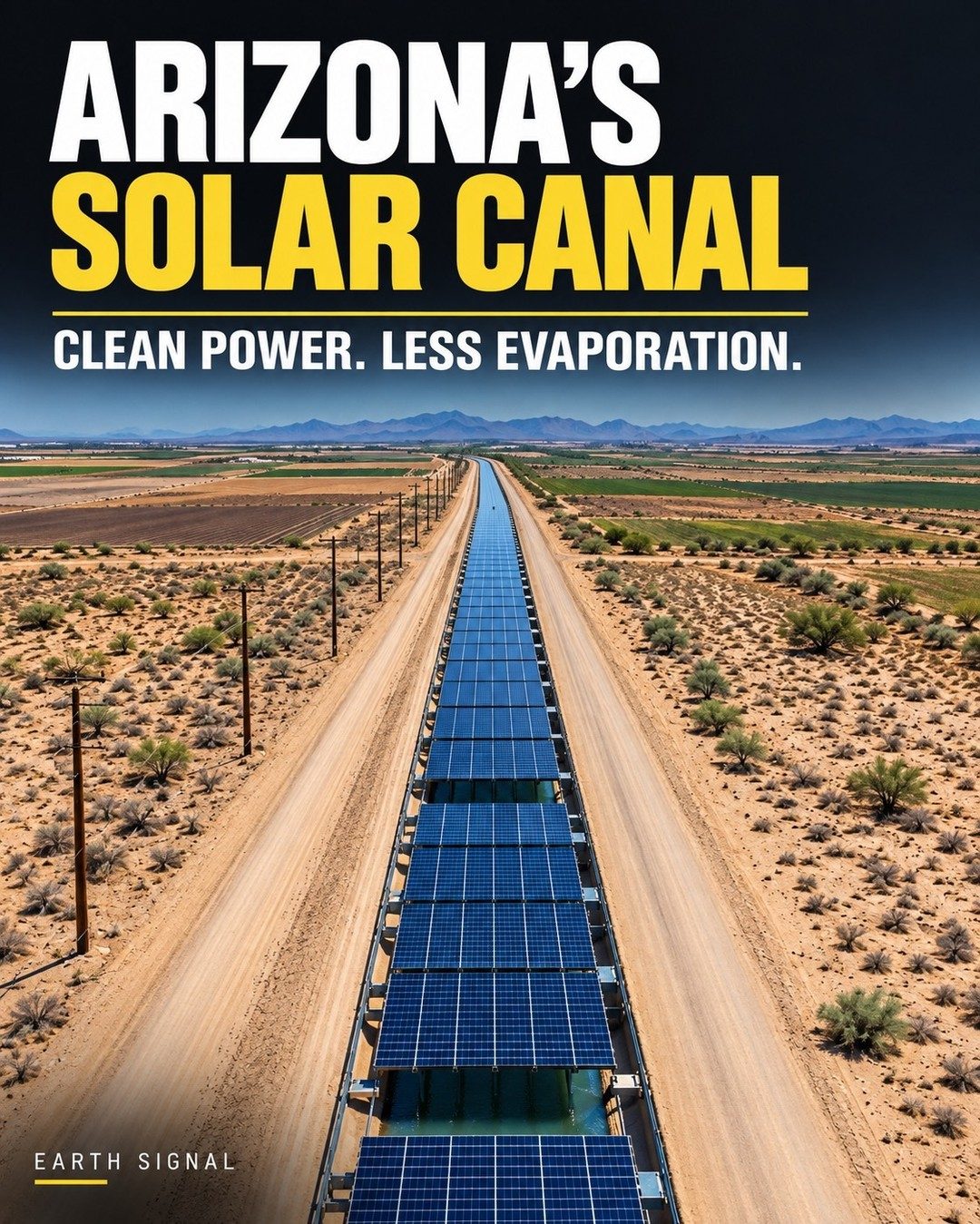
The Arizona Model
Nestled in the sun-scorched landscape of Arizona is a first-of-its-kind experiment merging water conservation with renewable energy. The state is leveraging its vast network of canals, which stretch around 150,000 miles, to generate solar power. The Solar Canal project involves covering these waterways with solar panels — it combines solar farms with existing infrastructure. This dual-purpose usage of land has the potential to generate power cost-effectively, reducing the impact on scarce land and the environment. Meanwhile, the cover minimizes evaporation, preventing thousands of gallons of water from escaping annually. This state's pioneering model could revolutionize how we harness renewable energy. Water scarcity is a growing global concern. Arizona’s Solar Canal, literally.
Achieving Two Goals at Once
Beyond the obvious environmental advantages, there are immense economic benefits — the canal requires minimal water treatment, roads, or other infrastructure. Grounds maintenance costs are next to zero. The panels reduce canal maintenance by preventing algae growth and reducing pollution. This infra-structure can foster an ecosystem conservation. How can these renewable energy sources arise sustainably? Solar Canal stretches across the desert landscape preserve the ecosystem, mitigate algae growth, prevent pollution, and change the way we think about resource management. This is is a marriage that demonstrates one of the most valuable lessons for engineers and designers alike. Producing renewable energy isn't about choosing between eco-friendly energy and good water management. That's a false choice.
Policy and Economic Implications
The Solar Canal project could transform the way we invest in public utilities. By replacing fossil-fuel-powered plants and reducing water loss, it could provide job opportunities, support the local economy, and save large sums of money for taxpayers. Large-scale adoption of this technology can avoid the need for new power plants, further reducing investments in fossil fuel infrastructure. The solar panels integrated into the canals offer high efficiency and reliability. But is it all that simple? Arizona’s journey doesn't necessarily guarantee success. It raises significant infrastructural, economic, and regulatory questions. The state must determine the best way to procure, develop, and integrate this transformative renewable energy. They have to resolve expenses that include cost of solar panels, canal engineering, and energy storage. It will take time to see if Arizona's innovation can scale to solve broader problems like climate change, supply shortages, and more.
Watch the Reel
Recent articles
Fresh deep dives from the latest Reels we unpacked.




Comments
Be the first to comment.