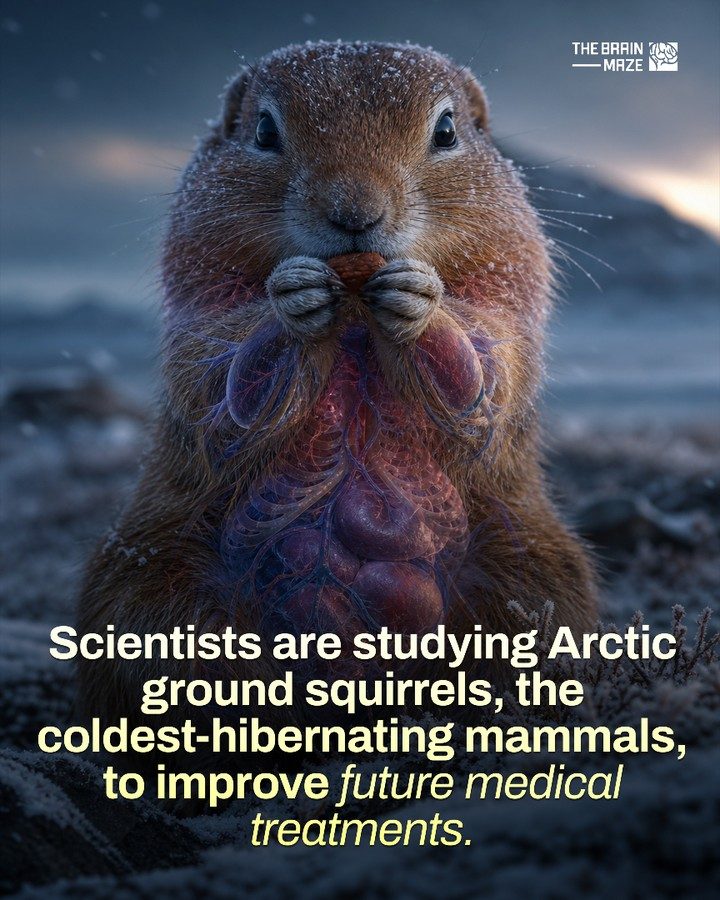
Arctic Ground Squirrels: The Coldest Hibernating Mammals on Earth
Arctic ground squirrels are a unique species known for their remarkable ability to survive in extreme cold. These fascinating creatures can lower their body temperature below freezing while remaining alive, making them the coldest-hibernating mammals on Earth. Scientists are studying this extraordinary adaptation because it could lead to breakthroughs in medical treatments for humans.
Why This Matters
Understanding the hibernation mechanisms of Arctic ground squirrels is crucial for several reasons. Their ability to withstand extreme temperatures and survive with reduced bodily functions could provide insights into how to protect human organs during critical medical events. This research has the potential to revolutionize treatments for heart attacks, strokes, traumatic brain injuries, and even support long-duration space missions.
The Biology of Arctic Ground Squirrels
Hibernation and Body Temperature
Arctic ground squirrels enter a state of deep hibernation during the harsh Arctic winters. Unlike other hibernating mammals, their body temperature can drop to as low as 27°F (-2.8°C), well below the freezing point of water. This extreme adaptation allows them to conserve energy and survive in environments where food is scarce.
Adaptations for Extreme Cold
These squirrels have several unique adaptations that enable them to survive in such cold conditions. Their fur is dense and insulating, and they have a layer of brown fat that generates heat. Additionally, their blood vessels constrict to minimize blood flow to the extremities, reducing heat loss. During hibernation, their metabolic rate slows down significantly, allowing them to survive on minimal energy reserves.
Scientific Studies and Medical Implications
Research on Hibernation
Scientists are conducting extensive research on Arctic ground squirrels to understand the molecular and cellular mechanisms behind their extreme hibernation. They are studying how these animals can protect their organs from damage during prolonged periods of low body temperature and reduced blood flow. This research involves analyzing their genetic makeup, hormone levels, and cellular responses to cold.
Potential Medical Applications
The insights gained from studying Arctic ground squirrels could have far-reaching medical applications. For instance, understanding how these animals protect their organs during hibernation could lead to new treatments for conditions where organ protection is crucial, such as:
-
Heart Attacks: Developing therapies that mimic the squirrels' ability to protect heart tissue during a heart attack could significantly improve survival rates and reduce long-term damage.
-
Strokes: Similar principles could be applied to protect brain tissue during a stroke, potentially minimizing the severity of the damage and aiding in recovery.
-
Traumatic Brain Injuries: Research on how Arctic ground squirrels manage cellular stress and repair could lead to new treatments for traumatic brain injuries, helping patients recover more effectively.
-
Long-Duration Space Missions: Understanding hibernation could also provide valuable insights into how to protect astronauts during extended space travel, where exposure to extreme conditions and reduced gravity poses significant health risks.
Practical Tips
While direct applications of Arctic ground squirrel adaptations to human health are still in the research phase, there are practical steps individuals can take to support their own health and well-being, inspired by the resilience of these remarkable animals:
Maintain a Healthy Lifestyle
Engage in regular physical activity and maintain a balanced diet to support overall health. Physical activity helps regulate your body's metabolic rate, and a balanced diet provides the nutrients needed for optimal organ function.
Stay Warm and Hydrated
Protect yourself from extreme cold by dressing in layers and staying hydrated. Just as Arctic ground squirrels rely on their dense fur and insulating layers, humans should take steps to conserve body heat and stay warm.
Monitor Heart Health
Regular check-ups and monitoring of heart health are crucial. Early detection and management of heart conditions can significantly improve outcomes and reduce the risk of heart attacks and strokes.
Support Mental Health
Maintaining mental health is as important as physical health. Strategies such as meditation, mindfulness, and seeking professional help when needed can support overall well-being and resilience.
Important Takeaways
The Resilience of Arctic Ground Squirrels
The ability of Arctic ground squirrels to survive extreme cold by lowering their body temperature below freezing is a testament to nature's resilience. Their unique adaptations provide valuable insights into how organisms can endure harsh conditions.
The Potential for Medical Advances
The study of Arctic ground squirrels offers promising avenues for medical research. By understanding their hibernation mechanisms, scientists hope to develop new treatments that can protect vital organs during critical medical events and support future space missions.
Public Awareness and Support
Raising awareness about the importance of studying Arctic ground squirrels can garner public support for research initiatives. By recognizing the potential benefits to human health, more resources and funding can be directed towards this important area of study.
Conclusion
Arctic ground squirrels are truly remarkable creatures, offering a wealth of knowledge about survival in extreme conditions. Their ability to hibernate at temperatures below freezing has sparked significant scientific interest and could lead to groundbreaking medical innovations. By continuing to study these animals, scientists hope to unlock new treatments for heart attacks, strokes, traumatic brain injuries, and even support future space exploration. The insights gained from Arctic ground squirrels could transform how we approach medical care and protect human health in the face of adversity.
Watch the Reel
Questions readers ask
What makes Arctic ground squirrels the coldest hibernating mammals on Earth?
Arctic ground squirrels can survive with body temperatures as low as 27°F, making them the coldest hibernating mammals. They can lower their body temperature below freezing while remaining alive, which is a unique and remarkable adaptation.
How do Arctic ground squirrels benefit medical research?
By studying these squirrels, researchers hope to uncover insights that could help protect human organs during critical medical situations, such as heart attacks and strokes.
What are the medical benefits of studying hibernation in Arctic ground squirrels?
Their hibernation mechanisms could lead to revolutionary findings in human organ protection, improvements in heart health, and better treatments for hypoxic injuries.
How do Arctic ground squirrels protect their brains during hibernation?
During hibernation, Arctic ground squirrels reduce their brain functions and metabolism to an extent that protects their brains from damage during prolonged periods of low body temperature.
Can understanding Arctic ground squirrel hibernation improve human health?
Yes, understanding the physiological processes of Arctic ground squirrels during hibernation can provide insights into future medical treatments for humans, particularly in the areas of organ preservation and protection from cold exposure.
What are some of the future medical treatments that might come from studying Arctic ground squirrels?
Potential future medical treatments could include better methods for preserving organs for transplants, reducing damage from heart attacks and strokes, and improving therapies for various cold-related injuries.
How do Arctic ground squirrels survive with such extreme reductions in body temperature?
Arctic ground squirrels have developed specialized adaptations that allow them to survive extreme cold, including unique mechanisms for sustaining essential functions at extremely low body temperatures.
Recent articles
Fresh deep dives from the latest Reels we unpacked.




Comments
Be the first to comment.