Robotic Exoskeletons in Rehabilitation
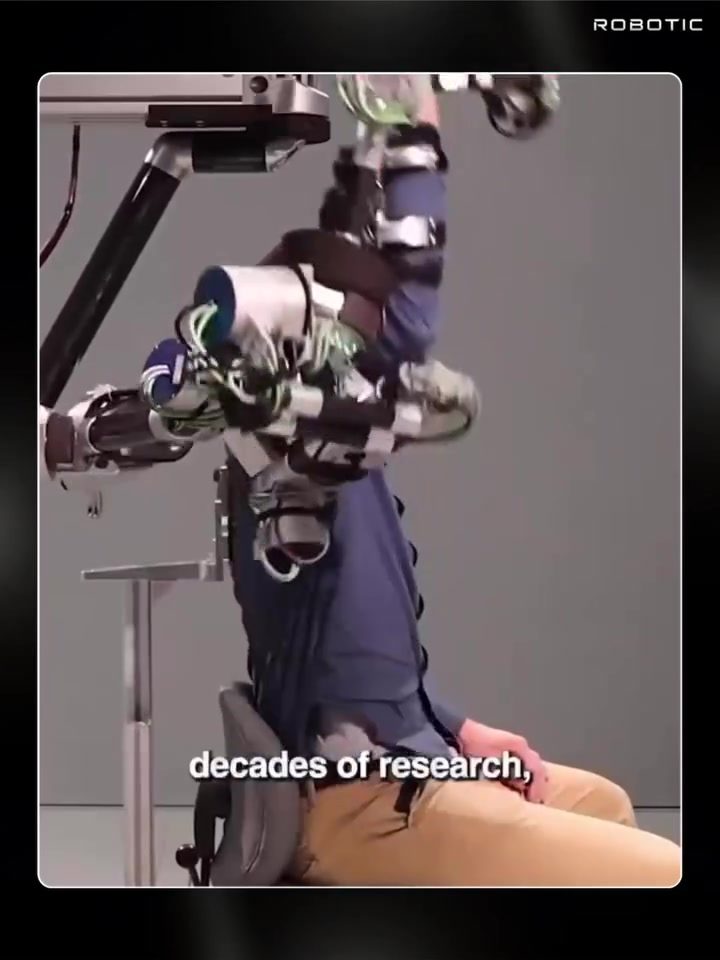
The ANYexo robotic exoskeleton, developed by researchers at ETH Zurich, represents a significant advancement in rehabilitation technology. This upper-limb exoskeleton is designed to support recovery from strokes, nerve injuries, and musculoskeletal damage by guiding precise arm and shoulder movements. The device is motor-driven and features multiple joints that align with the human arm, enabling controlled motions and simultaneous tracking of force, angle, and speed.
Context / Why this Matters
Robotic exoskeletons are transforming the landscape of rehabilitation. Traditional therapy sessions can be limited by duration and therapist fatigue, whereas robotic-assisted therapy offers consistent, high-repetition training sessions. ANYexo's ability to adjust resistance or assistance in real-time based on patient performance makes it a powerful tool for personalized rehabilitation.
Main Discussion
How Robotic Exoskeletons Work
ANYexo is designed to assist patients in performing a variety of movements, from everyday tasks like getting a phone out of a pocket to more dynamic actions such as throwing a baseball. The exoskeleton focuses on key joints—wrist, elbow, and shoulder—to ensure comprehensive rehabilitation. This focus on specific joints helps in targeted therapy, which is crucial for recovering from injuries or strokes.
The ANYexo System
ANYexo is a motor-driven system with multiple joints that align with the human arm, providing controlled and precise movements. The system is capable of guiding motions such as lifting, reaching, rotating, and stabilizing, all while measuring force, angle, and speed. The these metrics are then used to adjust the resistance or assistance in real-time, allowing for a highly personalized rehabilitation experience.
The Benefits of Robotic Rehabilitation
The primary advantage of using a robotic exoskeleton like ANYexo is the consistency and repetition it offers. Unlike human therapists, who may experience fatigue or inconsistency, a robotic system can deliver high-repetition, consistent training sessions. This consistency is crucial for muscle memory and overall recovery.
Real-Time Adjustments and Personalization
One of the standout features of ANYexo is its ability to adjust resistance or assistance in real-time based on the patient's performance. This adaptability ensures that the rehabilitation process is tailored to the individual's needs, enhancing the effectiveness of the therapy. The system can provide the right amount of support or challenge, depending on the patient's progress, making rehabilitation more efficient and effective.
Donning and Dofffing Times
The efficiency of ANYexo is evident in its donning and doffing times. Donning, the process of putting on the exoskeleton, takes approximately 43 seconds, while doffing, the process of taking it off, takes about 8.3 seconds. These times are critical for ensuring that patients can quickly transition into and out of their therapy sessions, maximizing the time spent on actual rehabilitation.
Practical Tips
For Patients
If you are considering robotic exoskeleton therapy, here are some practical tips to make the most of your experience:
- Consult with Healthcare Professionals: Ensure that your healthcare provider recommends robotic therapy and guides you through the process.
- Stay Consistent: Regular and consistent use of the exoskeleton will yield the best results.
- Track Your Progress: Keep a record of your progress and communicate regularly with your therapist to ensure adjustments are made as needed.
For Therapists
For therapists working with robotic exoskeleton systems, here are some practical tips:
- Personalize Therapy: Use the real-time data provided by the exoskeleton to tailor the therapy to the patient's specific needs.
- Monitor Performance: Regularly review the performance metrics to ensure the patient is progressing as expected.
- Encourage Patient Engagement: Encourage patients to actively participate in the therapy process, ensuring they understand the benefits and how to use the exoskeleton effectively.
Important Takeaways
ANYexo represents a significant leap forward in rehabilitation technology, offering a personalized, consistent, and efficient approach to recovery. The ability to measure and adjust to real-time performance makes this system a valuable tool for both patients and therapists. The efficiency of donning and doffing the exoskeleton further enhances its practicality and effectiveness in clinical settings.
Conclusion
Robotic exoskeletons like the ANYexo are revolutionizing rehabilitation by providing precise, personalized, and consistent therapy sessions. The motor-driven system, with its multiple joints and real-time adjustments, offers a level of support and challenge that is tailored to the individual's needs. As technology continues to advance, robotic-assisted therapy is set to become an integral part of modern healthcare, offering improved recovery outcomes and reduced workloads for therapists.
Watch the Reel
Questions readers ask
What makes the ANYexo robotic exoskeleton unique in rehabilitation?
The ANYexo robotic exoskeleton stands out due to its precise guidance of arm and shoulder movements, making it especially beneficial for stroke victims, nerve injury patients, and those with musculoskeletal issues. This exoskeleton is very unique in its ability to make real-time adjustments which allows for high repetition in training. This personalized therapy approach makes it a valuable tool for rehabilitation.
How does the ANYexo system ensure effective rehabilitation?
The ANYexo system ensures effective rehabilitation through its motor-driven design and multiple joints that mimic the human arm, it allows for controlled and precise movements. It also has the ability to track the necessary parameters for rehabilitation, namely force, angle, and speed, to provide real-time feedback and adjustments.
Can the ANYexo robotic exoskeleton be used for conditions other than strokes?
Yes, the ANYexo robotic exoskeleton is designed to aid in the recovery of a range of conditions, including nerve injuries and musculoskeletal damage, not just strokes. Its ability to guide precise movements and provide high-repetition training makes it a versatile tool for various rehabilitation needs.
Who developed the ANYexo robotic exoskeleton?
The ANYexo robotic exoskeleton was developed by researchers at ETH Zurich. ETH Zurich is a renowned institution known for its advancements in technology and robotics, making it a reliable source for innovative rehabilitation solutions.
How does the ANYexo robotic exoskeleton assist in personalized therapy?
The ANYexo robotic exoskeleton aids in personalized therapy by offering real-time adjustments and high-repetition training, precisely guiding arm and shoulder movements. This allows for tailored rehabilitation programs that adapt to the individual's specific needs. This level of customization is crucial for optimizing recovery outcomes and enhancing rehabilitation.
What are the advantages of robotic-assisted therapy over traditional therapy?
Robotic-assisted therapy, such as that provided by the ANYexo, offers several advantages over traditional therapy. It allows for consistent, high-repetition training sessions without the limitations of therapist fatigue, and it ensures precise and controlled movements, by making real-time adjustments, enhancing the effectiveness of rehabilitation.
What are the advantages of using the ANYexo robotic system for rehabilitation?
The ANYexo robotic system offers several advantages for rehabilitation, including its ability to guide precise arm and shoulder movements, provide real-time feedback, and offer high-repetition training. These features make it an invaluable tool for personalized therapy, helping patients recover from a variety of conditions more effectively and efficiently.
Recent articles
Fresh deep dives from the latest Reels we unpacked.




Comments
Be the first to comment.