The Legal and Culinary Implications of Serving Ants
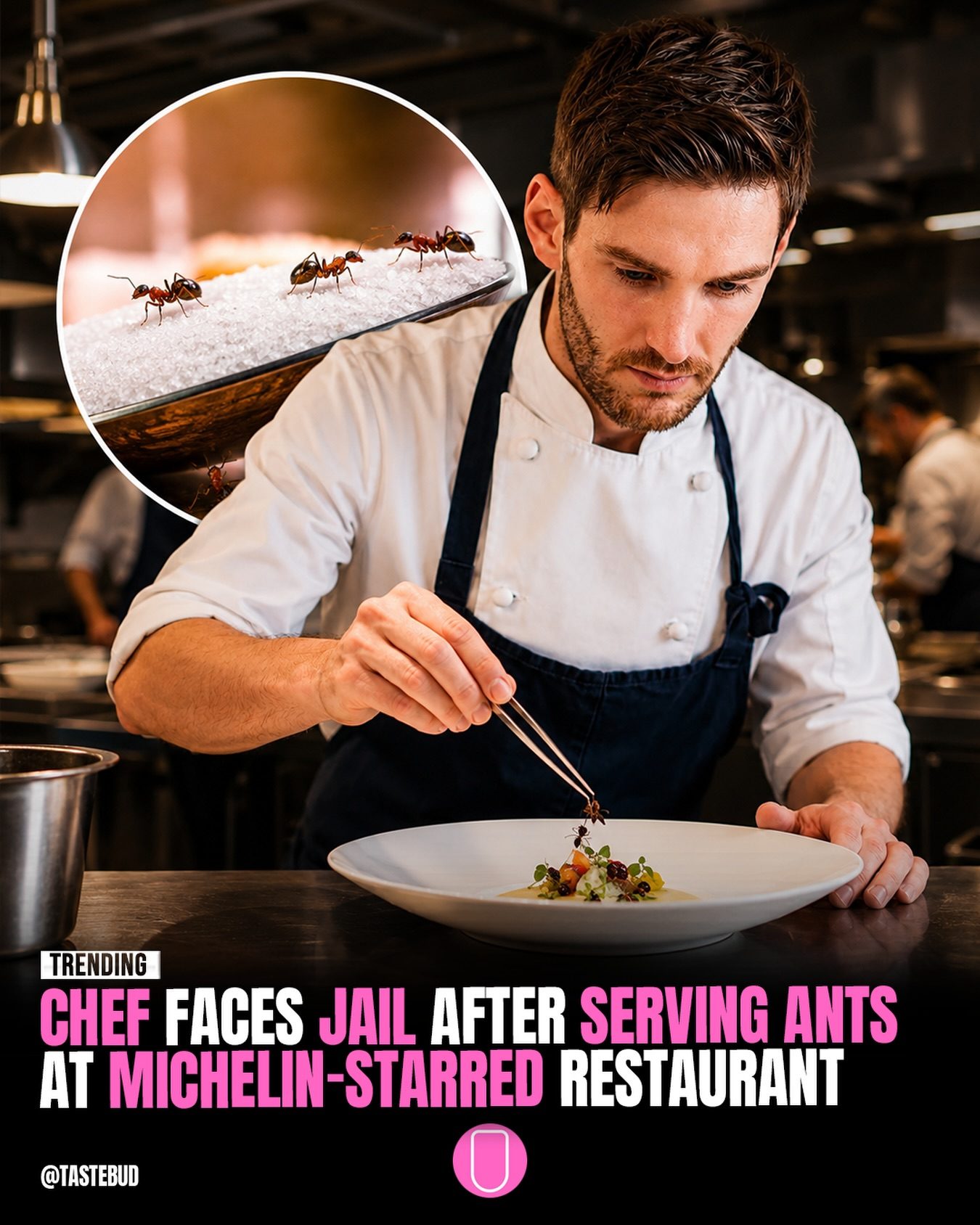
Food is a powerful connector that transcends borders, but cultural differences and legal frameworks can turn a meal into a legal minefield. This is exactly what happened in South Korea, where a Michelin-starred restaurant owner found himself in hot water after serving desserts topped with ants. Let's delve into the intricate web of culinary creativity, legal boundaries, and international food traditions.
Culinary Creativity and Legal Boundaries
South Korea's culinary landscape is as diverse as it is rich, but it operates within a strict regulatory framework. When a Michelin-starred restaurant owner decided to use dried ants as a garnish for a sorbet, he unwittingly stepped into a legal quagmire. In South Korea, ants are not among the insect species approved for human consumption, making their use in the restaurant a violation of the law. This situation underscores the importance of understanding local regulations and international food standards.
International Food Traditions and Local Laws
Fine dining around the world often incorporates unusual and exotic ingredients, and ants are no exception. Many high-end restaurants in various countries use ants in their dishes for their unique, citrus-like flavor. However, what may be acceptable in one country can be illegal in another. This is a stark reminder of the complexities that arise from the global nature of culinary arts. The chef's claim that he was unaware of the local prohibition highlights the need for chefs to be vigilant and well-informed about the legalities of ingredient use in different regions. Doing so can prevent legal issues and ensure the smooth operation of culinary ventures.
The Impact on the Restaurant Industry
This incident has sent ripples through the culinary world, raising important questions about the balance between culinary innovation and legal compliance. Restaurants, especially those with a Michelin star, are under constant pressure to innovate and offer unique dining experiences. However, this pressure can sometimes lead to creative decisions that may not align with local regulations. The implications for the restaurant industry are significant, as chefs and restaurateurs must now navigate a more cautious landscape, ensuring that innovative dishes comply with local laws.
Practical Tips for Chefs and Restaurateurs
For anyone working in the culinary industry, this case serves as a cautionary tale. Here are some practical tips to ensure compliance with local laws:
Understand Local Regulations
Before introducing any new ingredient, thoroughly research local food regulations. This includes understanding what is permitted and what is prohibited. Consult with legal experts if necessary.
Stay Informed
Keep up to date with international food trends and local laws. The culinary landscape is ever-evolving, and staying informed can help avoid potential legal issues.
Seek Approval
If you are importing ingredients, ensure that you have the required approvals and permits. This can save a lot of trouble and ensure compliance with local and international food regulations.
Be Mindful of Cultural Sensitivity
Cultural differences play a significant role in how food is perceived and consumed. Be mindful of the cultural sensitivity of your cuisine and ensure that your dishes are respectful of local customs and traditions.
Important Takeaways
This incident highlights several key points:
- Local Regulations Matter: What is legal in one country may not be in another. Always understand and comply with local food regulations.
- Culinary Innovation Needs Caution: While creativity is essential, it must be balanced with legal compliance.
- Stay Informed: Keep abreast of international food trends and local laws to avoid legal issues.
Conclusion
Using ants as a culinary ingredient in a Michelin-starred restaurant was a bold move that highlighted the complexities of international cuisine and local regulations. It underscores the importance of understanding the legal landscape of the culinary world and the need for caution and compliance. The verdict in this case will be a crucial step, setting a precedent for how culinary innovation and legal compliance are balanced in the future. For chefs and restaurateurs, this case serves as a valuable lesson, reinforcing the need to stay informed and compliant.
Watch the Reel
Questions readers ask
Why was the Michelin-starred chef in South Korea facing jail time?
The chef was facing legal trouble for serving desserts with ants, which violated local food regulations in South Korea. This incident underscored the importance of understanding regional food laws, as what may be acceptable in one place can be prohibited in another.
What are the key differences between culinary creativity and legal boundaries in food preparation?
Culinary creativity allows chefs to innovate and experiment with unique ingredients, but legal boundaries dictate what is safe and permissible to serve. In the case of the South Korean chef, the creative use of ants in a dessert crossed into the realm of illegality due to local food laws.
What should chefs consider when experimenting with unusual ingredients?
Chefs should consider local and international food standards and regulations, as well as the cultural acceptability of the ingredients they plan to use. Researching and understanding the legal framework in the region where they will be serving these dishes is crucial to avoid potential legal issues.
Are there any specific food laws in South Korea that chefs should be aware of?
South Korea has specific regulations regarding food safety and permissible ingredients. For example, ants are not considered an acceptable ingredient in food preparation. Chefs operating in South Korea should familiarize themselves with these regulations to ensure their dishes comply with the law.
What can other chefs learn from the ant dessert controversy in South Korea?
This controversy serves as a reminder for chefs to thoroughly research the legal and cultural aspects of food ingredients, particularly when working in international settings. It highlights the need to balance creativity with a strong understanding of local food laws and customs.
How can chefs ensure they are compliant with international food standards?
Chefs can ensure compliance by staying updated on regional food regulations, consulting with local health authorities, and possibly seeking legal advice. Engaging with local food communities and industry experts can also provide insights into what is and is not acceptable in different regions.
Related deep dives
Similar reads based on topic and creator.



Recent articles
Fresh deep dives from the latest Reels we unpacked.




Comments
Be the first to comment.