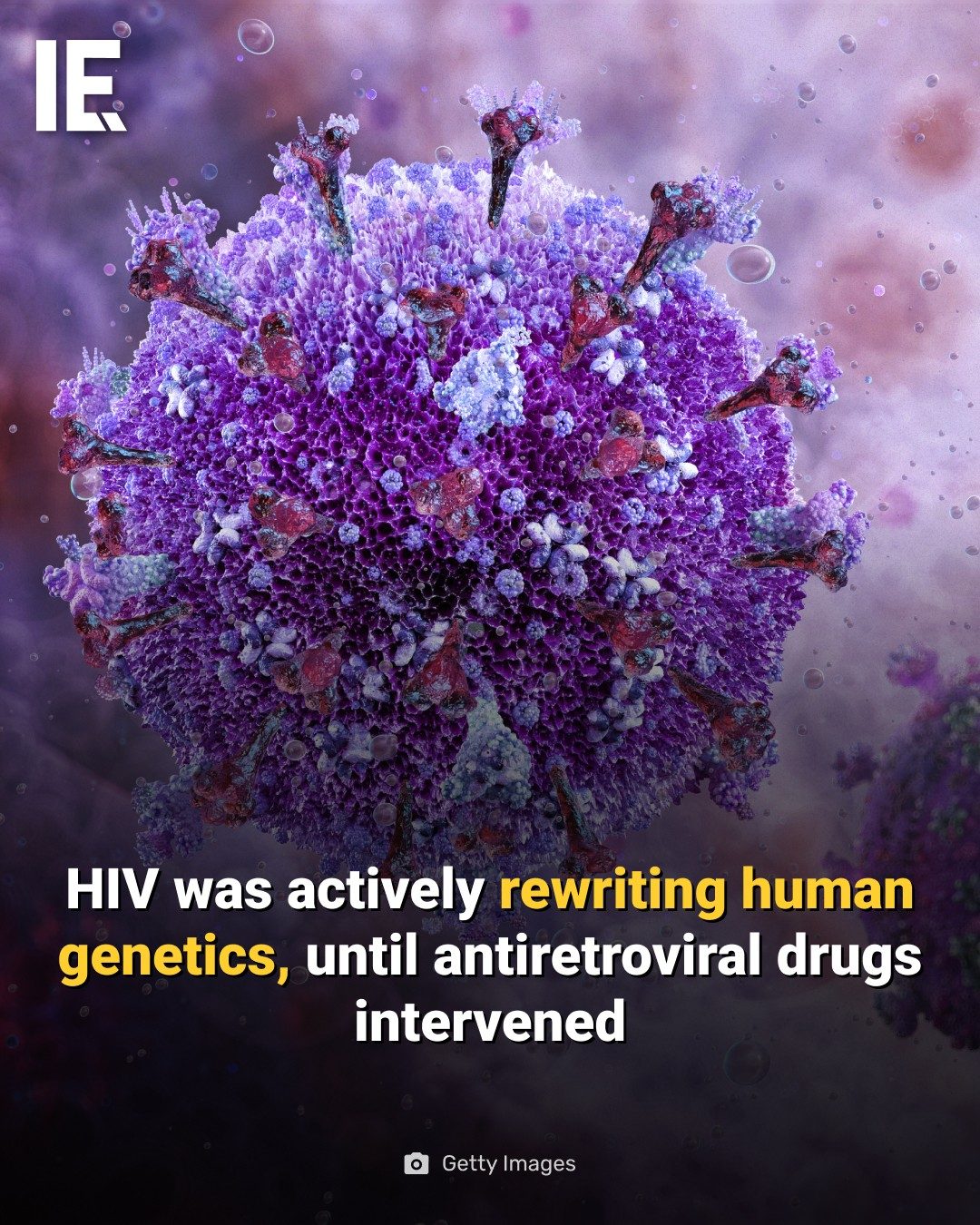
HIV and Antiretroviral Drugs
HIV, a virus that attacks the body's immune system, has been a significant global health challenge for decades. It has profoundly influenced human genetics, particularly in regions with high prevalence rates. Antiretroviral drugs have played a pivotal role in managing the virus and its effects on the human genome.
Context / Why this matters
The impact of HIV on natural selection has been a subject of considerable scientific interest. A recent study published in the Proceedings of the National Academy of Sciences (PNAS) provided concrete evidence of HIV's role in shaping human immune genes. The study focused on a South African province where 40% of pregnant women were HIV-positive. This high prevalence offered a unique opportunity to observe how HIV influences genetic traits.
The study revealed that individuals with protective variants of the immunity gene HLA-B had a higher survival rate and were less likely to transmit the virus to their children. This natural selection process would have led to a doubling in the frequency of protective variants while susceptible ones declined by 38% over 45 years. This progressive change in the human genome would have been a direct result of the virus exerting evolutionary pressure.
Main discussion
How HIV Influences Genetic Evolution
HIV's ability to influence human genetics is a testament to its powerful impact. The virus targets the immune system, specifically the CD4 cells, which are crucial for immune function. This interaction sets off a chain of events that can alter the genetic composition of populations.
People with protective variants of the HLA-B gene have an advantage in fighting off the virus. These genetic variants enable a more effective immune response, making them less susceptible to HIV and reducing the likelihood of transmission. This genetic advantage is a clear example of natural selection in action, where beneficial traits become more prevalent in a population over time.
The Role of Antiretroviral Therapy (ART)
The introduction of antiretroviral therapy (ART) around 2004 profoundly altered this evolutionary trajectory. ART disrupts the virus's ability to replicate, effectively halting its influence on genetic changes. This intervention has not only saved countless lives but also halted the rapid evolution of resistance traits within the population.
The study's findings underscore the critical role of ART in global health. By providing a barrier between HIV and its natural evolutionary process, ART has stabilized the genetic landscape, preventing the rapid rise of protective variants and the decline of susceptible ones. The progression of this virus, which has been theorized for decades, is now observable in real populations.
Practical Tips
Understanding the Importance of Treatment Access
Treatment access is a cornerstone of managing HIV and preventing its impact on human genetics. Ensuring that people have access to antiretroviral drugs is essential for maintaining the stability of the human genome.
There are several practical steps that can be taken to ensure consistent treatment access:
-
Government and International Support: Stable funding and support from governments and international organizations are crucial. This funding helps maintain treatment programs and ensures that patients have access to necessary medications.
-
Community Outreach and Education: Raising awareness about the importance of treatment adherence can significantly improve outcomes. Community outreach programs can educate people about the benefits of ART and the risks associated with treatment disruption.
-
Healthcare Infrastructure: Building a robust healthcare infrastructure that can support HIV treatment programs is essential. This includes training healthcare providers, improving diagnostic capabilities, and ensuring a steady supply of medications.
Important Takeaways
The study in PNAS offers several critical insights into the relationship between HIV, genetics, and antiretroviral drugs:
-
Genetic Evolution: HIV has the power to drive natural selection, influencing the frequency of genetic traits in populations. This process has been observed in real populations, highlighting the virus's impact on human genetics.
-
ART Intervention: Antiretroviral therapy plays a crucial role in halting the virus's influence on genetic evolution. It not only manages the virus but also stabilizes the genetic landscape, preventing the rapid rise of protective variants and the decline of susceptible ones.
-
Fragile Progress: The progress made in managing HIV is fragile and can be disrupted by cuts in funding and treatment access. Ensuring consistent treatment access is essential for maintaining stability in the population.
Conclusion
HIV's impact on human genetics is a fascinating and complex topic. The virus's ability to drive natural selection and the role of antiretroviral drugs in halting this process provide valuable insights into the interplay between infectious diseases and human genetics. Ensuring treatment access and maintaining support for HIV management programs are critical for sustaining the progress made in managing the virus and its genetic implications.
Watch the Reel
Questions readers ask
How do antiretroviral drugs influence HIV's genetic evolution?
Antiretroviral drugs help manage HIV by reducing viral replication, which in turn decreases the virus's ability to mutate and evolve. This selective pressure can influence the genetic landscape of HIV, potentially slowing the emergence of drug-resistant strains and promoting the survival of viral strains that are less likely to develop resistance.
What role does the HLA-B gene play in HIV infection?
The HLA-B gene is crucial in the immune response to HIV. Certain variants of this gene, such as HLA-B*57, are associated with a slower progression of the disease and reduced viral loads. These protective variants contribute to a survival advantage in HIV-positive individuals, influencing the genetic evolution of both the virus and the human population.
Can antiretroviral treatment reduce HIV transmission?
Yes, antiretroviral treatment significantly reduces HIV transmission. By lowering the viral load in infected individuals, these drugs make it less likely that the virus will be transmitted to others. This not only benefits individual health but also has a broader impact on public health by slowing the spread of the virus and influencing its genetic evolution.
How has HIV influenced human genetics, particularly in regions with high prevalence?
In regions with high HIV prevalence, the virus has exerted significant selective pressure on the human genome. This pressure has led to the increased prevalence of protective genetic variants, such as those in the HLA-B gene, which confer a survival advantage. Over time, this has driven genetic changes in the population, altering the frequency of certain genes related to immunity.
What is the significance of protective genetic variants in HIV-positive individuals?
Protective genetic variants, like those in the HLA-B gene, offer a survival advantage to HIV-positive individuals by enhancing the immune system's ability to control the virus. These variants are associated with slower disease progression and reduced viral loads. The presence of these variants in the population influences the genetic evolution of HIV, as the virus adapts to the immune responses it encounters.
How do antiretroviral drugs affect the survival of HIV-positive individuals?
Antiretroviral drugs improve the survival of HIV-positive individuals by suppressing viral replication, reducing viral load, and preserving immune function. This not only extends the lifespan of infected individuals but also influences the genetic evolution of the virus within the population, as the virus adapts to the selective pressures imposed by these medications.
Related deep dives
Similar reads based on topic and creator.




Recent articles
Fresh deep dives from the latest Reels we unpacked.




Comments
Be the first to comment.