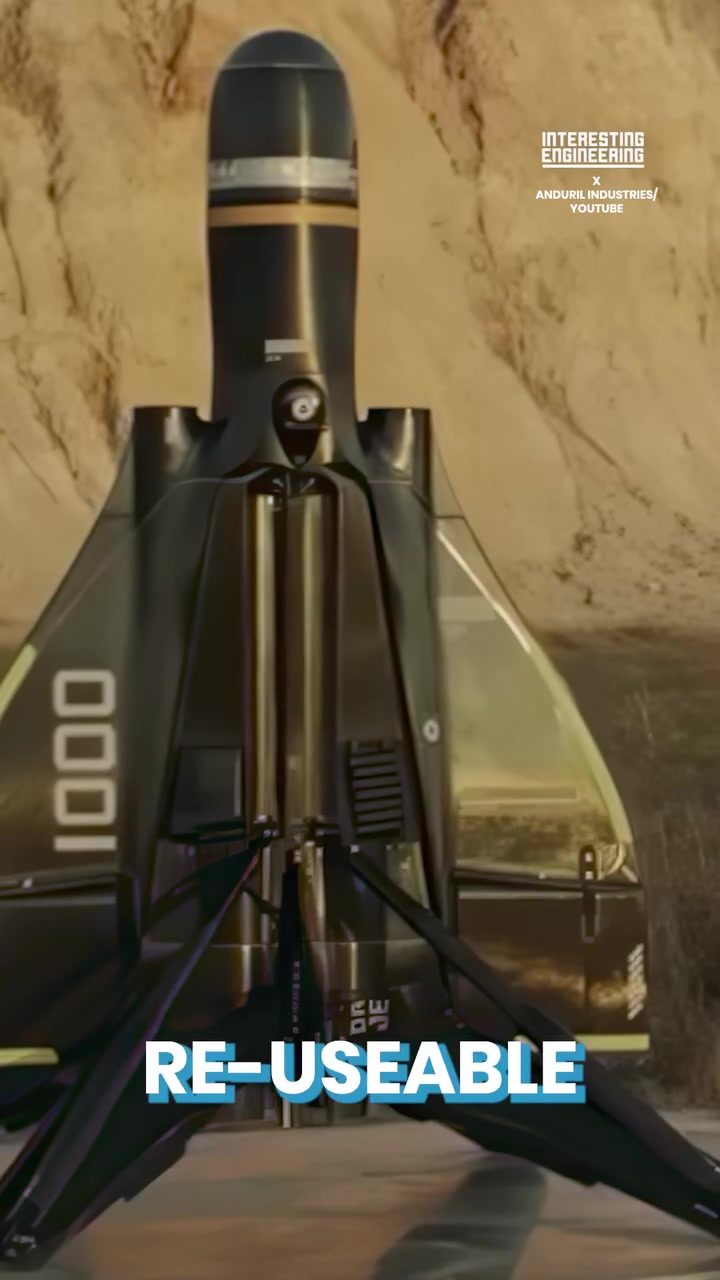
Vertical Takeoff and Landing Technology in Combat Drones
In the rapidly evolving field of combat drones, a significant breakthrough has emerged with the development of a VTOL (Vertical Takeoff and Landing) system.
Why This Matters
The introduction of VTOL technology in combat drones marks a new era in military and defense engineering. This innovation allows drones to take off and land vertically, similar to helicopters, while also possessing the flight capabilities of traditional drones. This capability enhances operational flexibility, reduces the need for extensive landing strips, and opens up new tactical possibilities.
Main Discussion
The VTOL Advantage
Vertical takeoff and landing technology is not new, but its application in combat drones is groundbreaking. Traditional drones typically require a runway or a wide-open space for takeoff and landing, which can be a significant limitation in battlefield scenarios. VTOL drones, however, can operate from virtually any location, making them highly versatile and efficient.
Reusability and Precision
The VTOL combat drone, developed by Anduril Industries, is designed with reusability in mind. This means that after completing a mission, the drone can return to its launch site and be prepared for another mission quickly. The use of delta wings further enhances its maneuverability and precision, making it a formidable tool in modern warfare. This drone's ability to take off and land vertically, similar to the SpaceX Falcon 9, allows for more efficient use of resources and reduces the logistical challenges associated with traditional drone operations.
Comparing with SpaceX Falcon 9
The comparison with the SpaceX Falcon 9 is particularly noteworthy. The Falcon 9 is renowned for its vertical takeoff and landing capabilities, which have revolutionized space travel by significantly reducing launch costs and increasing efficiency. By adopting similar technology, combat drones can achieve similar levels of operational efficiency and cost-effectiveness.
Implications for Modern Warfare
The integration of VTOL technology in combat drones has far-reaching implications for modern warfare. It enables drones to be deployed in a wider range of environments, including urban areas and dense forests, where traditional drones would struggle. This versatility makes VTOL drones an invaluable asset for reconnaissance, surveillance, and even strike missions.
Practical Tips
Operational Considerations
When deploying VTOL combat drones, several practical considerations must be taken into account. These include:
- Training: Operators need specialized training to handle the unique capabilities and challenges of VTOL drones.
- Maintenance: Regular maintenance is crucial to ensure the drone's reliability and performance.
- Safety Protocols: Establishing safety protocols to manage the risks associated with vertical takeoff and landing, especially in urban or crowded areas.
Tactical Applications
VTOL drones can be used in various tactical scenarios, such as:
- Urban Warfare: Their ability to take off and land vertically makes them ideal for operating in urban environments where traditional drones would face significant obstacles.
- Reconnaissance: VTOL drones can quickly deploy and withdraw from enemy territory, providing valuable intelligence without risking personnel.
- Strike Missions: Armed with precision weapons, VTOL drones can deliver surgical strikes with minimal collateral damage.
Future Developments
The future of VTOL combat drones holds exciting possibilities. Advances in artificial intelligence and machine learning could further enhance their capabilities, making them even more autonomous and effective. Additionally, improvements in battery technology and propulsion systems could extend their operational range and endurance.
Important Takeaways
- VTOL technology in combat drones offers unparalleled operational flexibility and efficiency.
- Reusability and precision are key advantages of VTOL drones, making them cost-effective and reliable.
- The comparison with the SpaceX Falcon 9 highlights the potential for significant advancements in drone technology.
- Practical considerations include specialized training, regular maintenance, and robust safety protocols.
- VTOL drones have wide-ranging applications in urban warfare, reconnaissance, and strike missions.
Conclusion
The development of VTOL technology in combat drones represents a significant leap forward in military and defense engineering. By enabling vertical takeoff and landing, these drones offer unmatched operational flexibility and efficiency. As technology continues to advance, the capabilities of VTOL drones are likely to expand, making them an even more valuable asset in modern warfare. The future of combat drones is here, and it is vertical.
Watch the Reel
Questions readers ask
What makes Anduril's VTOL combat drone unique compared to traditional drones?
Anduril's VTOL combat drone stands out due to its ability to take off and land vertically, similar to a helicopter. This feature eliminates the need for extensive landing strips, making it highly adaptable to various terrains and operational scenarios.
How does the VTOL technology in Anduril's combat drone enhance military operations?
The VTOL technology in Anduril's combat drone significantly enhances military operations by increasing flexibility and efficiency. Drones can be launched and retrieved from virtually any location, reducing dependency on prepared landing zones and enabling rapid deployment.
What are the primary benefits of vertical takeoff and landing in combat drones?
The primary benefits include operational flexibility, reduced logistical requirements, and enhanced tactical capabilities. Vertical takeoff and landing allows drones to operate in confined spaces and remote areas, providing a strategic advantage in military operations.
Can Anduril's VTOL combat drone be used in stealth missions?
Yes, the VTOL combat drone's ability to take off and land vertically makes it ideal for stealth missions. Its operational flexibility allows for covert deployments and retrievals, minimizing detection and maximizing surprise elements in tactical operations.
How does Anduril's VTOL technology compare to other VTOL designs in the market?
Anduril's VTOL technology is notable for its integration into combat drones, offering a unique blend of helicopter-like vertical mobility and traditional drone flight capabilities. This design is specifically tailored for military applications, focusing on operational efficiency and tactical advantages.
What are the operational advantages of Anduril's VTOL combat drone over traditional fixed-wing drones?
Anduril's VTOL combat drone offers several operational advantages, including the ability to take off and land vertically, reducing the need for large, prepared landing strips. It can operate from smaller, more concealed locations, enhancing both operational flexibility and tactical surprise.
How does the vertical landing technology in Anduril's combat drone contribute to its reusability?
The vertical landing technology allows Anduril's combat drone to land safely and precisely in a variety of conditions. This capability reduces the risk of damage during recovery, making the drone more durable and reusable, which is crucial for sustained military operations.
Recent articles
Fresh deep dives from the latest Reels we unpacked.




Comments
Be the first to comment.