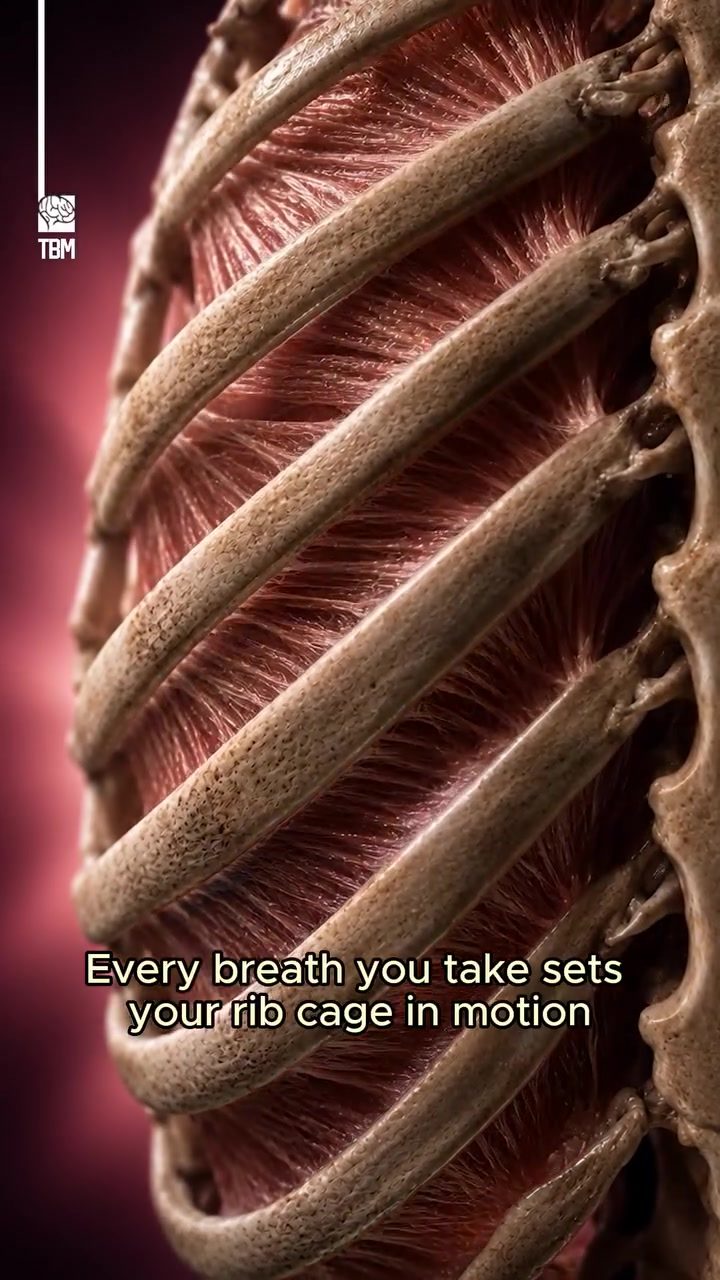
The Dynamic Rib Cage: Unseen Movements During Breathing
Every breath taken sets the rib cage in motion, yet this intricate process often goes unnoticed. The rib cage's flexibility allows it to expand and contract with each breath, aiding in the exchange of oxygen and carbon dioxide. This constant, subtle motion is essential for delivering oxygen to every cell in the body.
Why This Matters
The rib cage's role in respiration goes beyond merely protecting the heart and lungs. Understanding the mechanics of breathing can provide insights into various respiratory conditions and optimizing overall health. Each breath is a complex interplay of the diaphragm, ribs, and intercostal muscles, all working in harmony.
The Mechanics of Breathing
Inhalation: The Expansion Phase
During inhalation, several key movements occur:
- Intercostal Muscle Contraction: Muscles located between the ribs contract, lifting the rib cage upward and outward. This action increases the chest cavity's volume.
- Diaphragm Movement: The diaphragm, a dome-shaped muscle beneath the lungs, contracts and flattens, moving downward. This downward motion further expands the chest cavity, creating more space for the lungs to fill with air.
- Pressure Drop: The expansion of the chest cavity leads to a decrease in pressure within the lungs. This pressure drop allows air to flow into the lungs, driven by the higher external atmospheric pressure.
Exhalation: The Relaxation Phase
Exhalation involves the reversal of the inhalation process:
- Rib Cage Relaxation: The ribs move back down to their original position, reducing the chest cavity's volume.
- Diaphragm Relaxation: The diaphragm relaxes and moves upward, returning to its dome shape. This upward movement helps expel air from the lungs.
- Pressure Increase: As the chest cavity decreases in size, the pressure inside the lungs increases, pushing air out through the airways.
The Role of the Ribs
The ribs are not static protectors of the heart and lungs; they actively participate in the breathing process. They are lifted upward and outward during inhalation and move downward and inward during exhalation. This dynamic movement is crucial for facilitating the expansion and contraction of the chest cavity, which in turn drives the breathing cycle.
The Frequency of Breathing
An average person takes around 20,000 breaths every day. This means the rib cage performs its remarkable movements thousands of times daily, without any conscious effort. The efficiency and automatic nature of this process are a testament to the body's intricate design.
The Hidden Motion Inside the Chest
Every breath is powered by the unseen motion happening inside the chest. The coordinated efforts of the ribs, diaphragm, and intercostal muscles ensure that oxygen is delivered to every cell in the body. This hidden motion is vital for sustaining life and maintaining overall health.
Practical Tips for Optimizing Breathing
Good breathing habits can enhance lung function and overall well-being. Here are some practical tips for optimizing breathing:
Deep Breathing Exercises
Deep breathing exercises can help improve lung capacity and efficiency. Techniques such as diaphragmatic breathing, where the focus is on expanding the diaphragm and filling the lungs completely, can be particularly beneficial.
Posture and Breathing
Maintaining good posture can also enhance breathing efficiency. Slouching can restrict the movement of the rib cage and diaphragm, making it harder to breathe deeply. Standing or sitting upright allows for full expansion of the chest cavity, facilitating deeper, more efficient breaths.
Breathing During Physical Activity
During physical activity, it's important to maintain a steady breathing rhythm. Holding the breath or breathing shallowly can lead to fatigue and reduced performance. Taking deep, rhythmic breaths helps ensure that the muscles and tissues receive adequate oxygen, improving endurance and performance.
Important Takeaways
The rib cage plays a crucial role in the breathing process, actively participating in the expansion and contraction of the chest cavity. Understanding the mechanics of breathing can provide valuable insights into respiratory health and optimizing overall well-being. Each breath is a testament to the body's intricate design, where the rib cage, diaphragm, and intercostal muscles work in harmony to deliver oxygen to every cell.
The Rib Cage’s Vital Role
The rib cage's flexibility and dynamic movements are essential for the breathing process. Its role goes beyond protection, actively aiding in the exchange of oxygen and carbon dioxide. Recognizing the rib cage's contributions can enhance awareness of respiratory health and overall well-being.
The Importance of Optimal Breathing
Maintaining good breathing habits, such as deep breathing exercises and proper posture, can improve lung function and overall health. Ensuring optimal breathing, especially during physical activity, is crucial for sustaining energy levels and performance.
Conclusion
The rib cage's dynamic movements during breathing are a marvel of human anatomy. Each breath involves a complex interplay of the rib cage, diaphragm, and intercostal muscles, all working in harmony to sustain life. Understanding these processes can provide valuable insights into respiratory health and overall well-being. By maintaining good breathing habits and recognizing the rib cage's vital role, individuals can optimize their breathing and enhance their overall health.
Watch the Reel
Questions readers ask
How does the rib cage contribute to the breathing process?
The rib cage plays a vital role in breathing by expanding and contracting with each breath. During inhalation, the rib cage expands to increase lung capacity and facilitate oxygen intake, and during exhalation, it contracts, helping to expel carbon dioxide. This continuous cycle is crucial for maintaining the body's oxygen and carbon dioxide balance.
What are the key components involved in the mechanics of breathing?
The primary components involved in the mechanics of breathing include the diaphragm, ribs, and intercostal muscles. These structures work together to enable the expansion and contraction of the rib cage, which in turn drives the process of inhaling and exhaling. The diaphragm descends on inhalation, while the ribs and intercostal muscles lift and expand the chest, and work in reverse on exhalation.
Why is understanding rib cage movements important for overall health?
Understanding rib cage movements can provide valuable insights into respiratory health and overall well-being. Proper rib cage mobility is essential for efficient breathing, which in turn optimizes oxygen delivery to the body's cells. Recognizing and addressing any restrictions or abnormalities in rib cage movements can help in managing respiratory conditions and enhancing general health.
What is the average breathing rate for an adult at rest?
The average breathing rate for an adult at rest is typically around 12-16 breaths per minute. This rate can vary depending on factors such as age, physical activity, and overall health. Monitoring one's breathing rate can provide important information about respiratory health and potential underlying issues.
What is the difference between chest breathing and diaphragm breathing?
Chest breathing primarily involves the expansion and contraction of the rib cage, with limited movement of the diaphragm. In contrast, diaphragm breathing, also known as belly breathing, engages the diaphragm more actively, allowing for deeper and more efficient breaths. Diaphragm breathing is generally considered more beneficial for overall respiratory health and relaxation.
Why is the rib cage's role in respiration often overlooked?
The rib cage's role in respiration is often overlooked because its movements during breathing are subtle and not as visually prominent as other bodily functions. Additionally, the focus is often on the lungs and diaphragm, with the rib cage's dynamic and crucial role in the breathing process being less apparent. However, understanding these movements can enhance our appreciation of the complex and coordinated nature of human respiration.
How does rib cage expansion support lung capacity?
Rib cage expansion supports lung capacity by increasing the volume of the thoracic cavity, which in turn allows the lungs to fill with more air. During inhalation, the rib cage moves outward and upward, creating more space for the lungs to expand and take in oxygen. This expansion is facilitated by the contraction of the diaphragm and intercostal muscles, which work together to maximize lung capacity and support efficient gas exchange.
Related deep dives
Similar reads based on topic and creator.

Recent articles
Fresh deep dives from the latest Reels we unpacked.




Comments
Be the first to comment.