Amsterdam Canal Bridges: Unique Urban Landscapes with Integrated Greenery
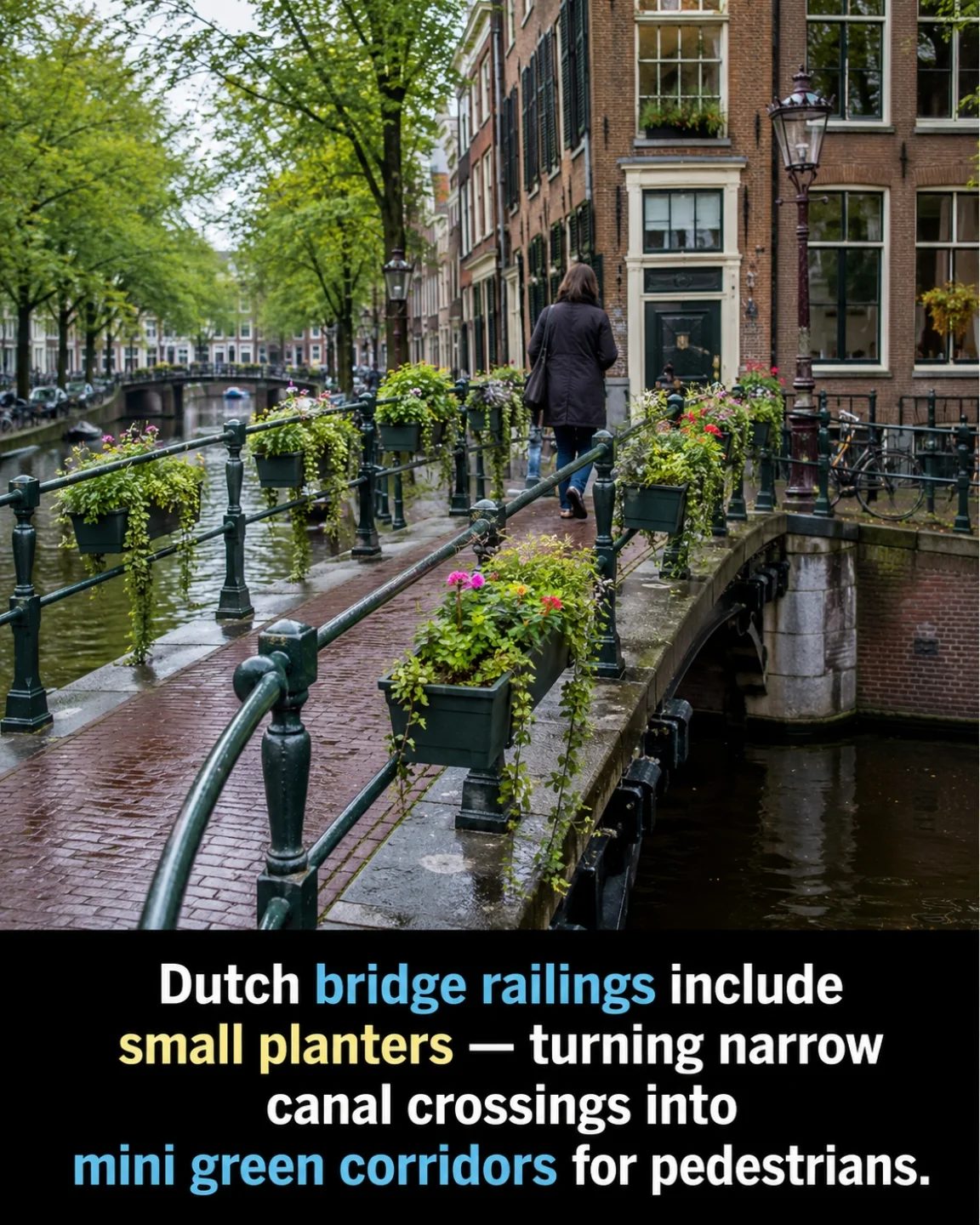
Amsterdam's canal bridges are iconic features that blend functionality with aesthetics. The Dutch capital's bridges are not just practical crossings but also integral parts of the city's urban design. One of the most distinctive elements of these bridges is the integration of small planters into their railings, transforming narrow canal crossings into vibrant green corridors for pedestrians.
Why This Matters
These bridges are more than just functional infrastructure; they are testaments to Amsterdam's commitment to urban greenery and sustainable design. The integration of planters into the bridge railings serves multiple purposes. It enhances the city's aesthetics, contributes to biodiversity, and provides a pleasant walking experience for residents and visitors.
The Beauty of Greenspaces
Urban Planning
Amsterdam's urban planning is renowned for its approach to integrating green spaces into the cityscape. The design of the bridges with planters is a prime example. The planters add a touch of greenery and color, making the city more inviting and aesthetically pleasing. This urban greening strategy not only beautifies the city but also improves air quality and provides habitat for local flora and fauna.
Environmental Impact
The inclusion of planters on bridge railings has a positive environmental impact. These small green spaces help mitigate the urban heat island effect, where cities are significantly warmer than their rural surroundings due to human activities and the built environment. The plants absorb carbon dioxide and release oxygen, contributing to a healthier urban ecosystem.
The Pedestrian Experience
Aesthetic Appeal
The visual impact of these bridges is striking. The combination of the historic architecture of the canals and the vibrant greenery of the planters creates a picturesque scene. For pedestrians, walking across these bridges is not just a means to get from one point to another; it's an experience that engages the senses.
Comfort and Safety
The planters also enhance the comfort and safety of pedestrians. They provide a visual barrier that can make the narrow bridges feel more spacious and less intimidating. The greenery can also reduce noise pollution, creating a more serene environment for walkers.
Practical Tips for Designing Green Bridges
Material Choices
When designing bridges with integrated planters, the choice of materials is crucial. Durable, weather-resistant materials that can withstand the elements and require minimal maintenance should be used. Common choices include composite materials and treated wood.
Plant Selection
Choosing the right plants is essential. Opt for species that thrive in urban environments and can withstand varying weather conditions. Flowers and small shrubs that are native to the region are ideal as they are more likely to flourish and require less care.
Maintenance
Regular maintenance is key to keeping the bridges looking vibrant. This includes watering the plants, pruning them as needed, and ensuring the planters are clean and in good condition. Seasonal updates can also keep the greenery looking fresh and inviting.
Integration with Architecture
Designers should ensure that the planters complement the existing architecture. The planters should be an enhancement to the bridge, not an afterthought. Seamless integration can create a cohesive and harmonious design that blends well with the surrounding urban landscape.
Important Takeaways
Amsterdam's canal bridges with integrated planters serve as a model for urban design. They demonstrate how small, thoughtful additions can significantly enhance the quality of urban life. By providing green spaces within the city, these bridges contribute to a healthier, more beautiful, and more enjoyable urban environment.
Conclusion
The canal bridges in Amsterdam with their distinctive railings and integrated planters are more than just functional structures; they are symbols of the city’s commitment to sustainable and beautiful urban design. These bridges not only serve as practical crossings but also transform narrow canal passages into vibrant, green corridors. The integration of greenery into urban infrastructure is a testament to Amsterdam's dedication to creating a livable and environmentally friendly city. As more cities look to enhance their urban spaces, Amsterdam’s bridges offer a compelling example of how to blend functionality with natural beauty.
Watch the Reel
Questions readers ask
What inspired Amsterdam to integrate planters into their canal bridge railings?
Amsterdam's initiative to add planters to bridge railings stemmed from a desire to enhance the city's visual appeal and promote ecological sustainability. By doing so, the city aims to create more inviting spaces for pedestrians while also supporting local biodiversity.
How do the green bridges in Amsterdam contribute to biodiversity?
The green bridges in Amsterdam contribute to biodiversity by providing habitats for local flora and fauna. The planters on the bridges support plant growth, which in turn attracts various insects and birds, creating small but significant ecosystems within the urban environment.
What are the benefits of Amsterdam's sustainable urban design?
Amsterdam's sustainable urban design, as seen in its green bridges, offers numerous benefits. These include improved air quality, enhanced aesthetics, and the promotion of eco-friendly pedestrian experiences. Additionally, these designs serve as models for other cities looking to integrate nature into urban infrastructure.
Are there other cities that have implemented similar green bridge designs?
While Amsterdam's green bridges are unique in their design and integration, other cities around the world have implemented green infrastructure projects. Examples include the High Line in New York City and the Cheonggyecheon Stream restoration in Seoul, which both focus on revitalizing urban spaces with greenery.
How do the green bridges in Amsterdam enhance the walking experience for pedestrians?
The green bridges in Amsterdam enhance the walking experience by creating visually appealing and inviting pathways. The integration of planters along the railings provides a pleasant, natural environment for pedestrians to enjoy while crossing the canals, making their journeys more enjoyable and relaxing.
What role do planters play in the design of Amsterdam's canal bridges?
Planters play a crucial role in the design of Amsterdam's canal bridges by serving as both functional and aesthetic elements. They add a touch of nature to the urban landscape, soften the visual impact of the hard infrastructure, and contribute to the city's overall green initiative.
Are the plants on the bridges maintained by the city or by volunteers?
The plants on the bridges are typically maintained by the city of Amsterdam. The city ensures that the planters are regularly cared for, which includes planting, watering, and pruning, to keep the green corridors vibrant and healthy throughout the year.
Recent articles
Fresh deep dives from the latest Reels we unpacked.




Comments
Be the first to comment.