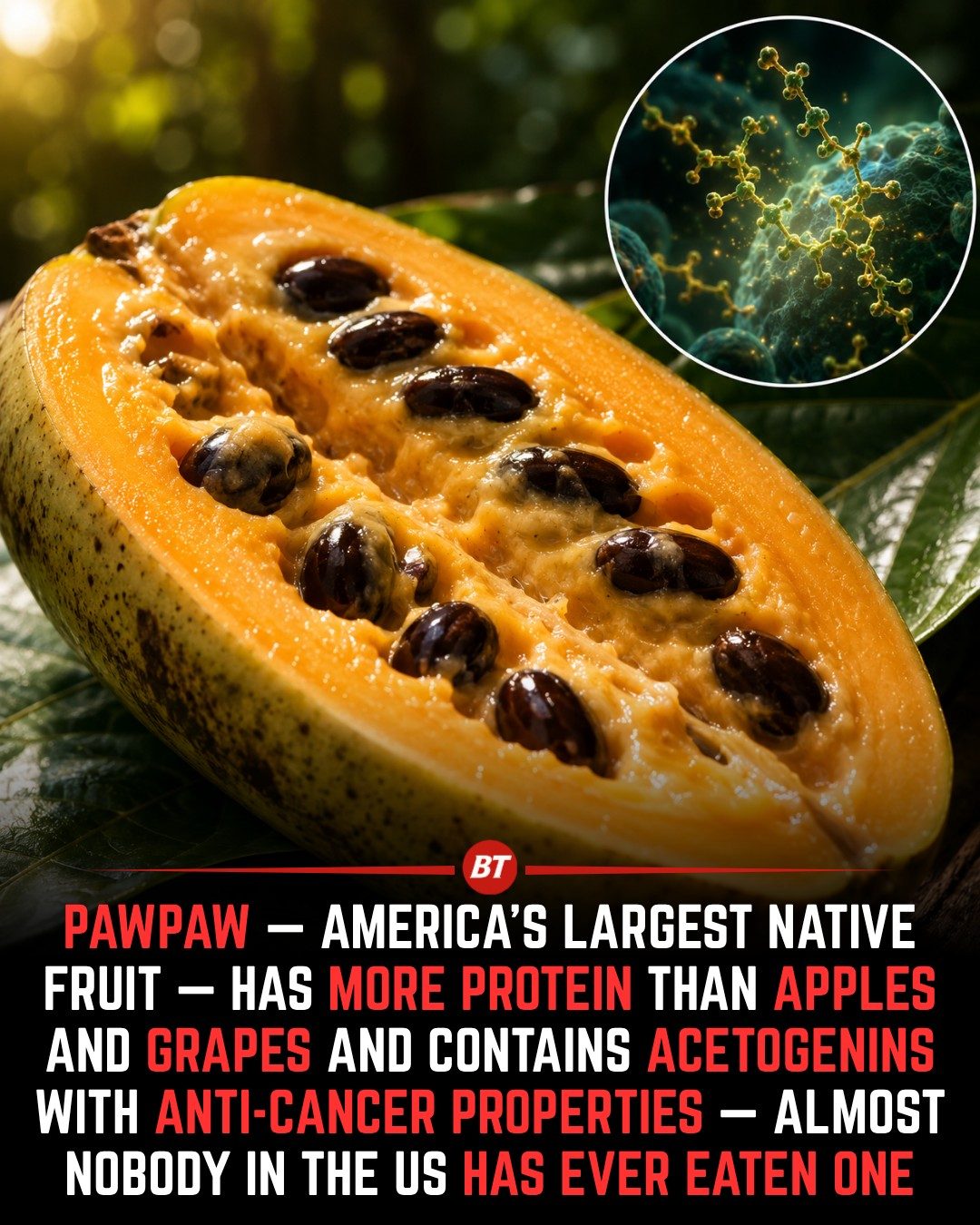
Pawpaw: America's Largest Native Fruit
The pawpaw (Asimina triloba) is a fruit that, despite being native to North America, remains largely unknown to many. This tropical-tasting fruit grows wild throughout parts of the eastern United States and is often described as a blend of banana, mango, and vanilla custard. Its creamy, soft flesh and rich nutritional profile make it a standout among wild fruits.
Why This Matters
People are increasingly looking for unique, nutrient-dense foods. While pawpaws are abundant in the wild, most Americans have never tasted this fruit. The pawpaw is a great addition to any diet. These fruits are packed with protein, fiber, magnesium, potassium, and vitamin C. Pawpaws are also a rich source of unique plant compounds known as acetogenins, which have garnered significant scientific interest due to their potential health benefits, including antioxidant and anticancer properties.
Nutrition and Health Benefits
Nutritional Value
Pawpaws are a powerhouse of nutrients. Unlike many common fruits, they contain a modest amount of protein, making them a good source of this essential macronutrient. Additionally, pawpaws are rich in fiber, which aids in digestion and helps maintain a healthy gut. They also provide essential minerals like magnesium and potassium, which are crucial for various bodily functions, including muscle and nerve function, blood pressure regulation, and bone health. Vitamin C, a key antioxidant, is also present in significant amounts, supporting immune function and skin health.
Acetogenins: Unique Plant Compounds
One of the most fascinating aspects of the pawpaw is its content of acetogenins, unique plant compounds that have shown promising biological activity in laboratory studies. Researchers have investigated these compounds for their potential antioxidant and anticancer properties. Some studies have shown that acetogenins can affect the growth of cancer cells in test-tube experiments. While these findings are preliminary and more research is needed, the potential health benefits of acetogenins make the pawpaw a fruit worth exploring.
The Pawpaw and American Food History
The pawpaw is more than just a nutritious fruit; it's a piece of American food history. Native peoples and early settlers enjoyed the fruit for centuries, yet today, it remains one of the country's most overlooked edible treasures. The pawpaw's rarity and the lack of widespread cultivation mean that most Americans have never even tasted it. This fruit represents a forgotten piece of our culinary heritage, and rediscovering it can be a delightful experience.
Practical Tips for Enjoying Pawpaws
Where to Find Pawpaws
Pawpaws are not commonly found in supermarkets, but they can often be spotted at local farmers markets and specialty growers, especially in the eastern United States. If you're lucky enough to find them, try them fresh when ripe. The soft, custard-like flesh is delicious eaten with a spoon, blended into smoothies, or used in desserts. If you're feeling adventurous, you can even make pawpaw ice cream or pudding.
How to Select and Store Pawpaws
When selecting pawpaws, look for fruit that is slightly soft to the touch but not mushy. The skin should be free of blemishes and bruises. Ripen pawpaws at room temperature until they yield slightly to gentle pressure. Once ripe, store them in the refrigerator to slow down the ripening process. Pawpaws can be stored for up to a week, but they are best enjoyed fresh.
Cooking and Preparing Pawpaws
Pawpaws can be enjoyed in a variety of ways. Their soft, creamy flesh lends itself well to both sweet and savory dishes. Here are a few ideas to get you started:
- Fresh: Enjoy the fruit fresh by cutting it in half, removing the seeds, and scooping out the flesh with a spoon.
- Smoothies: Blend pawpaw flesh with other fruits, yogurt, and a splash of milk for a tropical smoothie.
- Desserts: Use pawpaw flesh as a base for ice cream, pudding, or fruit salads.
- Baking: Incorporate pawpaw flesh into muffins, bread, or cakes for a unique twist.
Important Takeaways
- Nutrient-Dense: Pawpaws are a rich source of protein, fiber, magnesium, potassium, and vitamin C.
- Unique Compounds: They contain acetogenins, compounds with potential health benefits.
- Culinary Versatility: Pawpaws can be enjoyed fresh, blended, or incorporated into various dishes.
- Cultural Significance: Pawpaws are a part of American food history and are worthy of rediscovery.
Conclusion
The pawpaw is a remarkable fruit with a rich nutritional profile and a fascinating history. Despite being largely unknown, it offers a unique culinary experience and potential health benefits. Whether you're a food enthusiast or simply looking to explore new, nutritious fruits, the pawpaw is a delightful addition to your diet. Seek out this hidden gem at local farmers markets and specialty growers, and enjoy the creamy, tropical flavors of America's largest native fruit.
Watch the Reel
Questions readers ask
What makes the pawpaw America's largest native fruit?
The pawpaw is considered America's largest native fruit due to its substantial size, with some fruits reaching up to 6 inches in length and containing several large seeds. Its creamy, soft flesh distinguishes it from other wild fruits in North America.
Where can I find wild pawpaw trees and fruits?
Pawpaw trees grow wild in the eastern United States, particularly in forest areas. They are often found along streams or in damp, shady spots. You can also find pawpaws in specialized nurseries or farmer’s markets, particularly in regions where the fruit is more commonly known.
What does a pawpaw taste like, and how can I describe it to others?
The pawpaw has a unique flavor that is often described as a combination of banana, mango, and vanilla custard. Its flavor is rich and tropical, with a creamy, smooth texture, making it a delightful and distinctive taste experience.
How can I incorporate pawpaws into my meals and desserts?
Pawpaws can be enjoyed in various ways. You can eat them fresh, blend them into smoothies, or use them in baked goods like muffins or pies. They can also be made into jams, ice cream, or even savory dishes, providing a unique twist to your recipes.
What are the health benefits of eating pawpaws?
Pawpaws are packed with essential nutrients, including proteins, fiber, magnesium, potassium, and vitamin C. They are also rich in unique plant compounds known as acetogenins, which have shown antioxidant and anticancer properties. Including pawpaws in your diet can provide these valuable nutrients and potential health benefits.
When is the best time to harvest pawpaws and how do I identify ripe ones?
The best time to harvest pawpaws is typically in late summer to early fall. Look for fruits that are soft to the touch and have a slight give when gently squeezed. They should also be free of blemishes and have a vibrant, yellow-green color, indicating ripeness.
Can I grow a pawpaw tree in my backyard, and what should I know before planting?
Yes, you can grow a pawpaw tree in your backyard. Pawpaws prefer moist, well-drained soil and partial shade to full sun. They are relatively low-maintenance but require at least two trees for cross-pollination to produce fruit. Planting them in a sheltered spot can help protect them from strong winds.
Related deep dives
Similar reads based on topic and creator.




Recent articles
Fresh deep dives from the latest Reels we unpacked.




Comments
Be the first to comment.