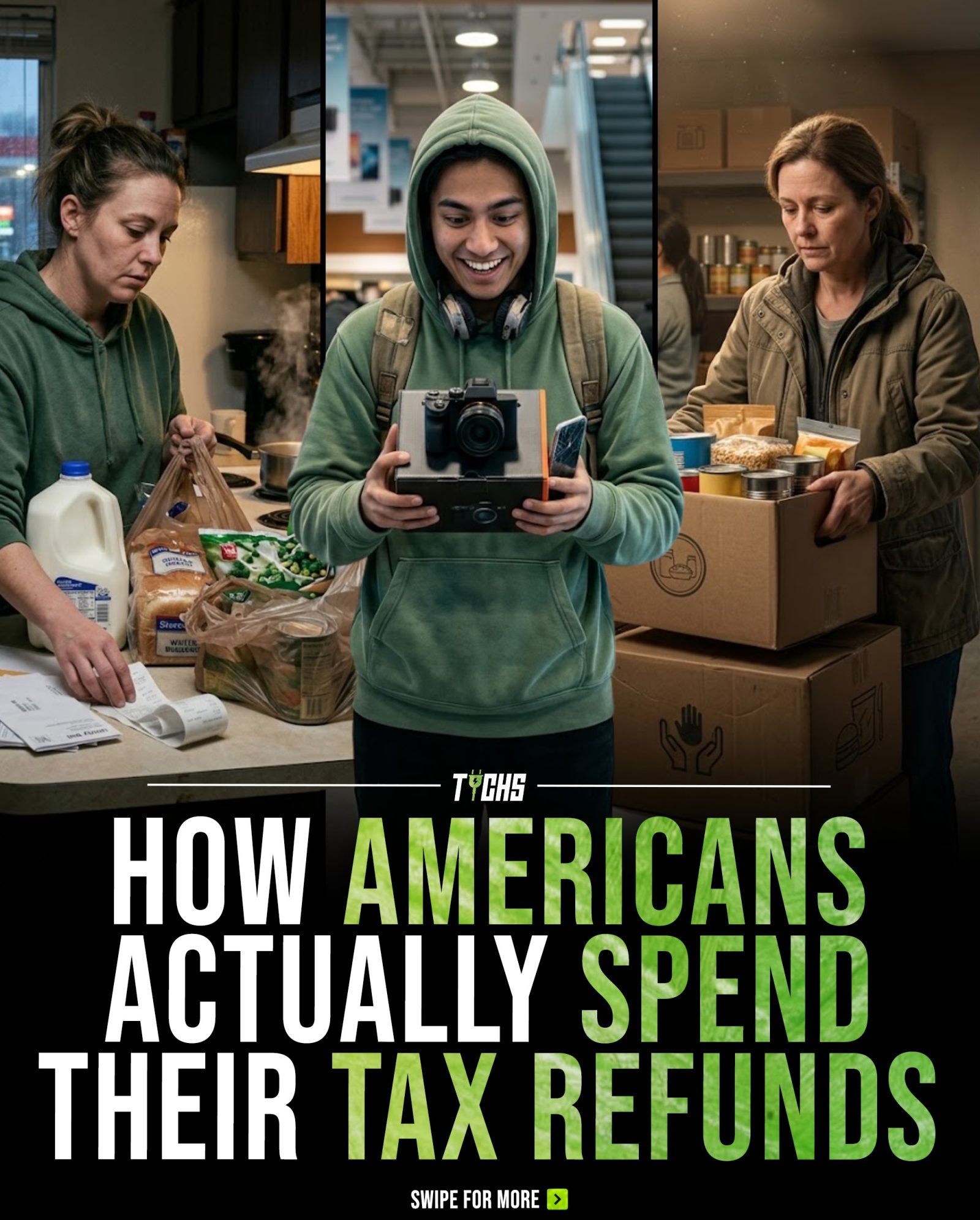
Tax Refund Spending Trends in America: A Shift Towards Financial Stability
Tax refunds in the United States have traditionally been seen as a windfall for luxury spending. However, recent trends indicate a significant shift in how Americans allocate these funds. Increasingly, tax refunds are being used to prioritize essentials, reduce debt, and secure long-term financial stability. This change reflects the growing financial pressures and rising living costs that many Americans face.
Why This Matters
Understanding how Americans spend their tax refunds provides valuable insights into the broader economic landscape. It highlights the financial priorities and pressures that individuals and families are navigating. With a better understanding of these trends, individuals can make more informed decisions about their own finances, and policymakers can develop more effective strategies to support economic stability.
Main Discussion
The Shift from Luxury to Necessities
The shift in tax refund spending from luxury items to necessities is evident in the data. Many Americans are now using their refunds to cover essential expenses such as groceries, rent, fuel, and utility bills. This change is driven by the increasing cost of living, which has made it difficult for many to meet basic needs without additional financial support.
Debt Reduction and Savings
Debt reduction is another key area where tax refunds are being allocated. Millions of Americans are using their refunds to pay off credit cards and loans, which can significantly improve their financial health over time. Additionally, a substantial portion of Americans are choosing to move their tax refunds into savings accounts or emergency funds. This strategy helps build a financial safety net, providing security for future unexpected expenses.
According to the data, 32% of Americans plan to move their refund into savings accounts or emergency funds to ensure they have a financial cushion for future uncertainties. This proactive approach to financial planning is a clear indicator of the changing economic priorities in the country.
Supporting Family Members
Financial support for family members is also a significant area of focus. 13% of Americans use their tax refunds to help parents, children, or other family members. This trend underscores the importance of family support in the broader economic context, especially during times of financial strain.
Major Purchases and Long-Term Investments
For many, tax refunds are being used to cover major purchases such as furniture, cars, and home upgrades. These investments can improve living conditions and provide long-term benefits. Additionally, some Americans are directing their refunds towards retirement investments and stock market endeavors, aiming to secure their financial future.
Smaller but Impactful Spending Categories
While the majority of tax refunds are directed towards essentials, debt reduction, and savings, smaller groups are using their refunds for other impactful purposes. Vacations and charitable donations are among these categories. These expenditures highlight the diverse ways Americans are allocating their tax refunds, reflecting a range of personal and altruistic priorities.
Practical Tips
Budgeting for Essentials
If you are planning to use your tax refund to cover essential expenses, consider creating a detailed budget. This will help you prioritize your spending and ensure that all necessary expenses are covered. Allocate funds for groceries, rent, and utilities, ensuring that these basics are well-managed.
Managing Debt
Using your tax refund to pay off debt can significantly improve your financial situation. Prioritize high-interest debts such as credit cards and personal loans. This approach can reduce your overall debt burden and save you money on interest payments in the long run.
Building an Emergency Fund
One of the smartest ways to use your tax refund is to build an emergency fund. Aim to save at least 3-6 months' worth of living expenses. This financial cushion can provide peace of mind and protect you from unexpected financial setbacks.
Supporting Family and Community
If you have the means, consider using a portion of your tax refund to support family members or make charitable donations. This not only helps those in need but also contributes to a stronger sense of community and financial well-being.
Important Takeaways
The way Americans spend their tax refunds reflects a broader trend towards financial stability and long-term security. By prioritizing essentials, reducing debt, and building savings, many are taking proactive steps to navigate the economic challenges they face. This shift highlights the need for continued financial education and support to help individuals and families achieve financial security.
Conclusion
The changing landscape of tax refund spending in America reveals a population that is increasingly focused on financial stability. By prioritizing essentials, reducing debt, and building savings, Americans are taking steps to ensure their financial well-being in the face of rising living costs and economic pressures. Understanding these trends can help individuals make informed financial decisions and contribute to a more financially secure society.
Watch the Reel
Questions readers ask
What are the top priorities for Americans when spending their tax refunds?
Americans are increasingly focusing on essential purchases such as groceries and rent, along with debt reduction and building savings. This shift reflects a growing emphasis on financial stability and preparing for future financial needs.
Why are Americans using tax refunds for essentials and debt reduction?
With rising living costs, many Americans are using their tax refunds to cover essential expenses and reduce debt. This approach helps in managing immediate financial pressures and building a safety net for the future.
How can budgeting a tax refund help with financial stability?
Budgeting a tax refund can help individuals and families allocate funds towards essentials, debt reduction, and savings. This strategic approach can alleviate short-term financial stress and create a more secure financial future.
What are some effective ways to use a tax refund for savings?
To maximize savings with a tax refund, consider setting aside funds for an emergency fund, contributing to retirement accounts, or investing in long-term savings goals. Automating these savings can help ensure consistent progress towards financial stability.
How do tax refunds impact family financial planning?
Tax refunds can significantly impact family financial planning by providing a lump sum that can be used to cover essential expenses, pay off debts, or build savings. This can help families manage their budgets more effectively and plan for future financial needs.
What are some common mistakes to avoid when spending a tax refund?
Common mistakes include spending the entire refund on non-essential items, failing to allocate funds towards savings, or not addressing pressing debts. To avoid these pitfalls, create a budget and prioritize essentials, debt reduction, and savings.
How can tax refunds help in reducing debt?
Using a tax refund to pay down high-interest debts, such as credit cards or personal loans, can reduce monthly expenses and improve overall financial health. This strategy can help individuals and families break free from the burden of debt and achieve long-term financial stability.
Recent articles
Fresh deep dives from the latest Reels we unpacked.




Comments
Be the first to comment.