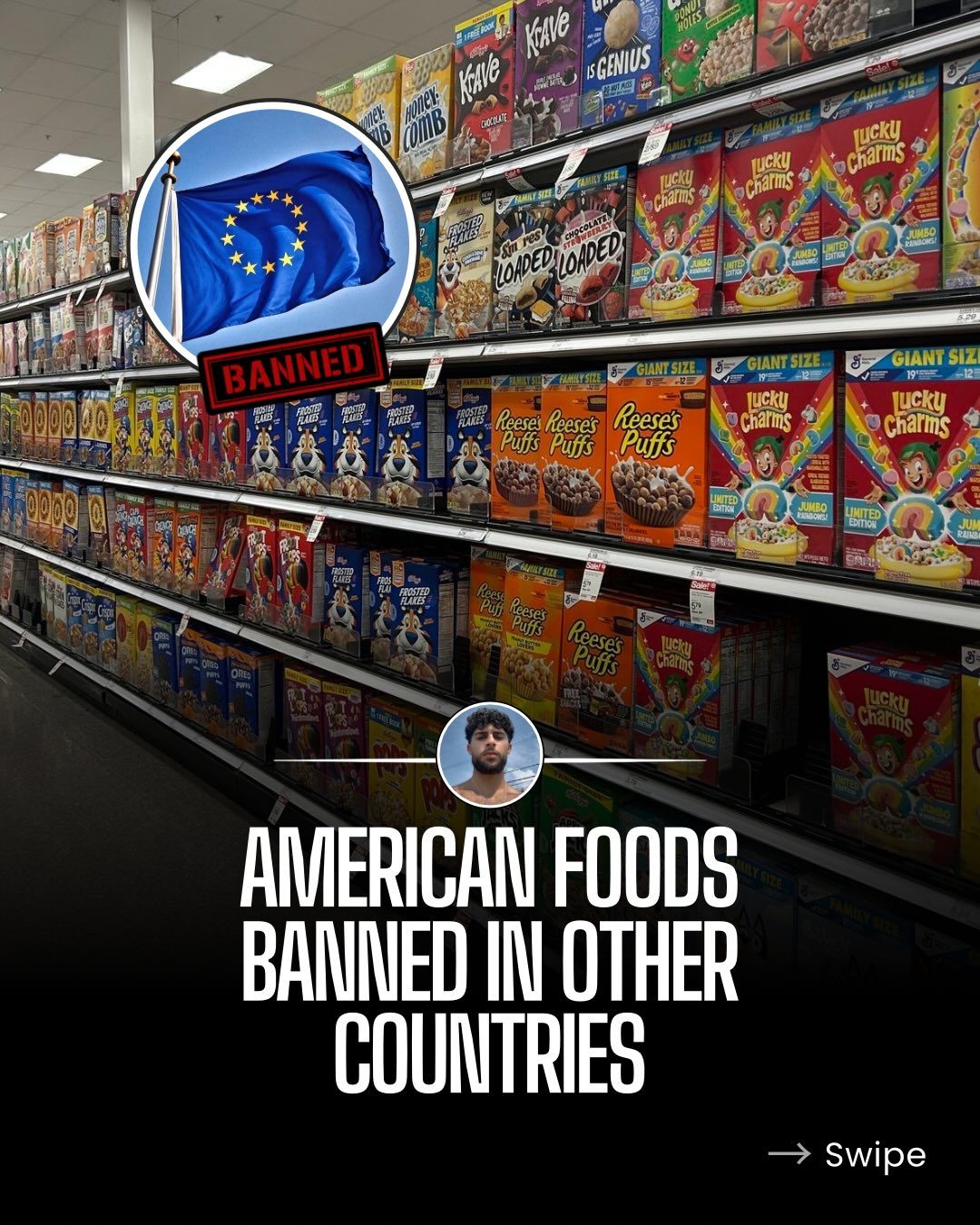
American Foods Banned or Heavily Regulated in Other Countries
American food products are subject to various regulations and bans in different countries due to health and safety concerns. These restrictions highlight the varying standards and prevalence of certain additives and practices in food production. Here, we explore why and how some common American foods are regulated or banned elsewhere.
Why This Matters
Understanding the differences in food regulations across countries provides valuable insights into food safety standards and consumer health. It also underscores the importance of transparency in food labeling and production practices. Knowing which ingredients and processes are scrutinized can help consumers make more informed choices about the food they buy and consume.
Main Discussion
American Bread
American bread often contains additives that are linked to health concerns. These additives, such as potassium bromate, azodicarbonamide, and calcium propionate, are used as preservatives and dough conditioners. However, many countries, including the European Union, have banned or restricted these substances due to potential health risks. For instance, potassium bromate is classified as a possible carcinogen and is banned in countries like the United Kingdom, Canada, and even the state of California.
American Pork
American pork is frequently raised using the drug ractopamine, a feed additive that promotes leanness in livestock. Ractopamine is banned in over 160 countries, including Russia, China, and the European Union. This ban is due to concerns about potential health risks, such as increased heart rate, higher blood pressure, and respiratory issues. The European Food Safety Authority has raised questions about the safety of ractopamine, leading to its prohibition in many countries.
American Candy
American candy is notorious for its high content of artificial food dyes. These dyes, such as Red 40, Yellow 5, and Blue 1, are commonly used to achieve vibrant colors. However, many countries, including Norway and Finland, have restricted or banned these dyes due to their potential links to hyperactivity, allergies, and certain cancers. The European Union mandates warning labels on products containing these dyes, and some European countries have banned them outright.
American Cereal
American cereal can contain additives like BHT (butylated hydroxytoluene) and synthetic dyes, which are banned or restricted in other countries. Many European countries, including the UK and Germany, have strict regulations on food additives, and BHT is linked to potential health concerns. In addition, synthetic dyes like Yellow 5 and Red 40, commonly used in cereals, have been associated with hyperactivity in children and are either banned or require warning labels in many countries.
American Apples
American apples are often sprayed with multiple pesticides to control pests and diseases. While the U.S. Food and Drug Administration (FDA) regulates the use of pesticides, many countries have stricter limits on the types and amounts of pesticides allowed on produce. For example, the European Union has more stringent standards for pesticide residues, and countries like China and Japan have banned certain pesticides altogether. This discrepancy in pesticide regulations highlights the importance of organic farming and the need for stricter oversight in pesticide use.
American Drinks
American drinks, particularly sports drinks and sodas, often contain synthetic food dyes and additives like brominated vegetable oil (BVO). BVO, used as an emulsifier, is banned in the European Union and Japan due to potential health risks. Many European countries have also mandated warning labels on products containing synthetic food dyes, citing concerns about hyperactivity and potential carcinogenic effects. These regulations reflect a broader concern about the long-term health impacts of certain additives and colorings.
Practical Tips
- Read Labels Carefully: Always check the ingredient list on food products, especially if you are concerned about specific additives or dyes.
- Choose Organic: Opt for organic products, which are typically free from synthetic pesticides and additives.
- Consider Alternatives: Look for brands that prioritize natural ingredients and avoid artificial dyes and preservatives.
- Stay Informed: Keep up-to-date with the latest research and regulations regarding food additives and pesticides.
Research and Advocacy
Engage in advocacy efforts to push for stricter regulations on food additives and pesticides. Support organizations that promote food safety and transparency in labeling. By staying informed and proactive, consumers can influence policy changes and encourage healthier food practices.
Important Takeaways
- Many countries have stricter regulations on food additives, pesticides, and drugs used in livestock compared to the United States.
- Common American food products like bread, pork, candy, cereal, apples, and drinks contain ingredients that are banned or heavily regulated elsewhere.
- Understanding these differences can help consumers make more informed choices about the food they consume and support advocacy for better food safety standards.
Conclusion
The regulations and bans on certain American food products in other countries highlight the need for greater transparency and stricter standards in food production. By being aware of the additives and practices that are scrutinized globally, consumers can make more informed choices and advocate for better food safety practices. Whether it's avoiding artificial dyes in candy or opting for organic apples, every decision counts in promoting a healthier and safer food environment.
Watch the Reel
Questions readers ask
What are some common American food additives that are banned in other countries?
Several common American food additives face restrictions or bans abroad. These include potassium bromate, used in some breads, and certain artificial dyes like Yellow No. 5 and Red No. 40. Many countries prohibit these additives due to potential health risks, such as allergic reactions or carcinogenic effects.
Why do some countries ban American food dyes?
Countries worldwide prohibit certain American food dyes due to concerns about hyperactivity in children and potential carcinogens. For instance, Red Dye No. 40, Yellow Dye No. 5, and Yellow Dye No. 6 have been linked to various health issues, leading many nations to restrict or ban their use in foods.
How do American food standards compare to global food standards?
American food standards often allow for the use of additives and practices that are restricted or banned in other countries. This discrepancy arises from differences in regulatory approaches and risk assessments. Many countries adopt a precautionary principle, banning substances with potential health risks until proven safe, while the U.S. may rely on evidence of proven harm before implementing a ban.
Which American food product has faced global controversy due to its ingredients?
Chicken products have faced global controversy due to ingredients and food safety concerns. The use of chlorine washes and certain antibiotics in American poultry production has led many countries, including the EU and China, to restrict or ban American poultry imports. These concerns highlight differences in food safety standards and practices.
What is the significance of knowing which American foods are banned globally?
Knowing which American foods are restricted or banned globally can help consumers make more informed choices about what they eat. It also encourages transparency in food labeling and production. By understanding global food restrictions, consumers can better navigate the complexities of food safety and health concerns, ultimately promoting better personal health and wellness.
Which American food ingredient banned in other countries is still prevalent in American bread?
Potassium bromate, an ingredient used to strengthen dough and make it easier to handle, is still used in some American bread, despite being banned in many other countries, including Canada and the European Union. This additive has been linked to potential cancer risks, leading to its prohibition in many places around the world.
What are some global food restrictions on American dairy products?
The use of rBGH (recombinant bovine growth hormone) in dairy production is a significant point of contention, with many countries restricting or banning American dairy products due to this additive. In addition, the use of certain antibiotics and hormones in dairy farming may also lead to global restrictions on American dairy products.
Recent articles
Fresh deep dives from the latest Reels we unpacked.




Comments
Be the first to comment.