Amazon's Business Strategy
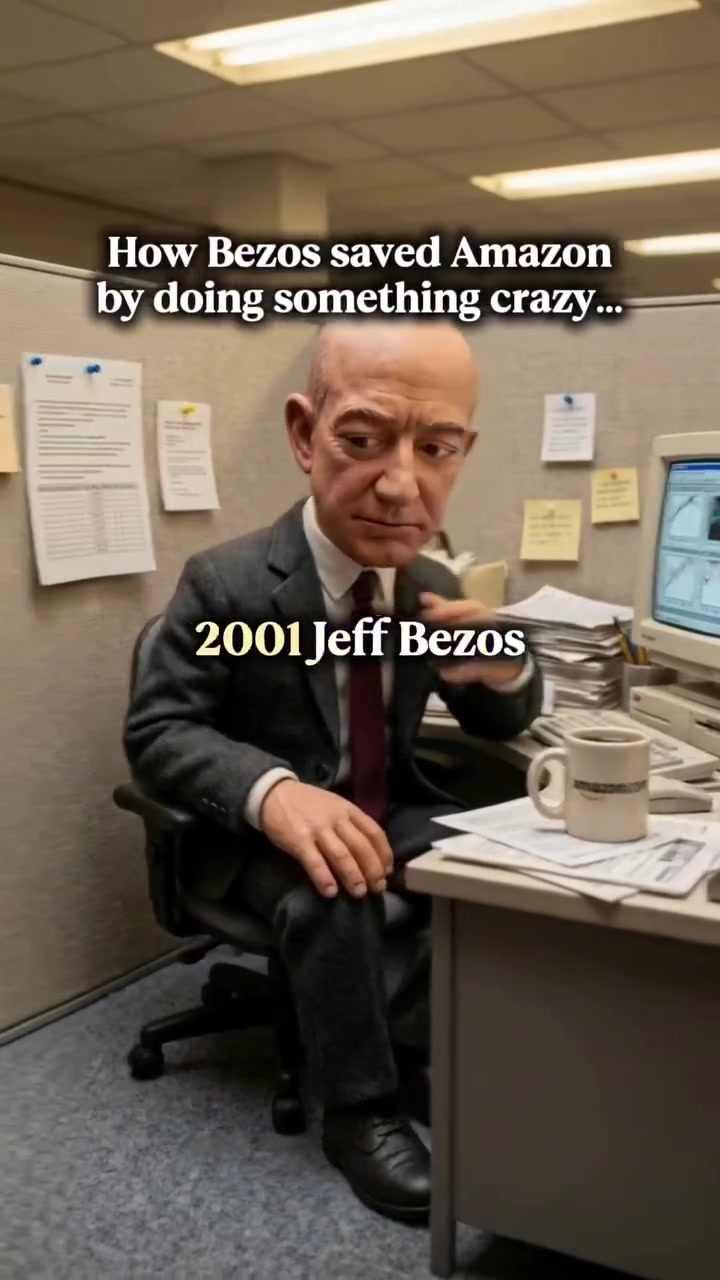
Amazon's journey from a struggling startup to a global retail giant is a testament to its founder Jeff Bezos's visionary thinking. In 2001, Amazon faced a dire situation. The company was bleeding $1 million a day, its stock had collapsed by 90%, and 1,300 employees had been laid off. Wall Street analysts were already writing the company's obituary, dubbing it the next dot-com casualty. However, instead of succumbing to these pressures, Jeff Bezos made a counterintuitive move that turned the company around.
Why This Matters
Amazon's success story provides valuable insights into business strategy, particularly how to navigate crises and pivot for long-term success. Bezos's unconventional decisions not only saved the company but also laid the groundwork for its future dominance. Understanding these strategies can offer valuable lessons for businesses facing similar challenges.
Bezos's Bold Moves
Inviting Competitors
Bezos realized that the key to Amazon's survival wasn't about protecting its market share but about building a platform that customers couldn't leave. His audacious idea was to invite competitors onto the Amazon platform, allowing them to sell directly to Amazon's customers. This move seemed suicidal to many, including his own executives and Wall Street analysts, who predicted it would destroy the brand and hand over control to rivals. However, Bezos had a different perspective.
He understood that if a customer found a better deal elsewhere, they would leave Amazon anyway. By making that "somewhere else" a part of Amazon, he ensured that the customer stayed within the platform, and Amazon still took a cut of every sale. This strategy not only retained customers but also reduced Amazon's own inventory costs and risks.
Reinvesting Profits
While Amazon was losing millions daily, Bezos made two more controversial moves. He aggressively slashed costs, closed warehouses, and renegotiated supplier contracts. Critics feared this would tank customer service and drive customers away. However, these cost-cutting measures freed up resources for Bezos to reinvest in faster shipping and better service. Each piece of this strategy strengthened the others, creating a virtuous cycle of improvement and customer satisfaction.
By the fourth quarter of 2001, Amazon posted its first profit ever — a modest $5 million. This small but significant milestone proved that Bezos's strategy was working. Wall Street was stunned, and Amazon's marketplace approach became a significant driver of its sales.
Building a Platform
The decision to invite competitors onto the platform was more than just a tactical move; it was a strategic shift. Bezos wasn't trying to be the seller; he became the place where all sellers go. This shift focused on building a platform that no one could leave, rather than protecting short-term market share. Today, third-party sellers drive a substantial portion of Amazon's sales, contributing to its $2.3 trillion valuation.
Practical Tips
Focus on the Long-Term
Bezos' strategy involved short-term pain for long-term gain. By slashing costs and reinvesting profits into improving the platform, he built a sustainable business model. For businesses facing similar challenges, it's crucial to make decisions that prioritize long-term growth over immediate gratification.
Own the Relationship
Businesses often focus on individual transactions, but Bezos' approach was different. He focused on owning the customer relationship rather than the transaction. By ensuring that customers had a reason to stay on the platform, he created a loyal customer base that drove repeat business.
Be Bold and Unconventional
Sometimes, the best moves look crazy. Bezos' decision to invite competitors onto his platform was unorthodox, but it worked. For businesses looking to innovate, being comfortable with unconventional strategies can lead to breakthroughs.
Important Takeaways
Protect the Future, Not the Present
Amazon's strategy during its crisis was about protecting the future, not the present. Bezos's decisions, such as slashing costs and aggressively reinvesting, were aimed at long-term dominance.
Own the Relationship, Not the Transaction
Amazon’s shift from being a seller to becoming the place where all sellers go is a key takeaway. By focusing on the customer relationship, Amazon ensured that customers had multiple reasons to stay on the platform.
Be Comfortable with Unconventionality
The best moves often look insane until they work. Bezos' decision to invite competitors onto his platform was unorthodox but ultimately saved the company. Businesses should be open to unconventional strategies that might seem risky but could lead to significant gains.
Conclusion
Amazon's remarkable transformation from a struggling startup to a global retail giant is a testament to Jeff Bezos's visionary leadership. His unconventional decisions, such as inviting competitors onto the platform and focusing on long-term growth, not only saved the company but also set the stage for its future dominance. By understanding and applying these strategies, businesses can navigate crises and build sustainable, customer-centric platforms.
Watch the Reel
Questions readers ask
What was the state of Amazon in 2001?
In 2001, Amazon was facing significant financial struggles. The company was losing $1 million a day, its stock had dropped by 90%, and it had to lay off 1,300 employees. The future looked bleak, and many industry analysts predicted its imminent collapse.
What were the key elements of Jeff Bezos's strategy to save Amazon?
Bezos employed a counterintuitive strategy by inviting competitors onto the Amazon platform and reinvesting profits back into the company. This approach allowed Amazon to expand its offerings, attract more customers, and ultimately increase market share.
Why did Jeff Bezos invite competitors onto the Amazon platform?
By inviting competitors, Bezos aimed to create a more attractive and comprehensive marketplace for customers. This strategy increased traffic and sales, ultimately benefiting Amazon despite the presence of rival sellers.
How did Amazon's strategy impact its long-term success?
Amazon's strategy of reinvesting profits and expanding its platform helped it transition from a struggling startup to a global retail giant. This approach not only saved the company but also positioned it for sustained growth and dominance in the retail industry.
What can other businesses learn from Amazon's turnaround?
Amazon's turnaround highlights the importance of strategic thinking and adaptability. Businesses can learn from Amazon's willingness to pivot, reinvest, and create a competitive marketplace, all while focusing on long-term gains rather than short-term profits.
Related deep dives
Similar reads based on topic and creator.


Recent articles
Fresh deep dives from the latest Reels we unpacked.




Comments
Be the first to comment.