Understanding Alzheimer's Disease: The Progressive Destruction of Brain Architecture
Alzheimer's disease (AD) is a progressive neurological condition that gradually destroys the brain's intricate architecture. This destruction is driven by the abnormal buildup of amyloid beta plaques and tau protein tangles, which interfere with neuron communication, fuel chronic inflammation, and ultimately lead to cognitive decline and memory loss. The disease deconstructs vital brain regions, resulting in symptoms that significantly impact daily life and quality of living.
Why This Matters
Alzheimer's disease is the most common cause of dementia, affecting millions of people worldwide. Its impact extends beyond the individual, affecting families and society as a whole. Understanding the mechanisms behind Alzheimer's is crucial for developing effective interventions and support systems for those affected.
The Progressive Destruction of the Brain
Amyloid Beta Plaques and Tau Tangles
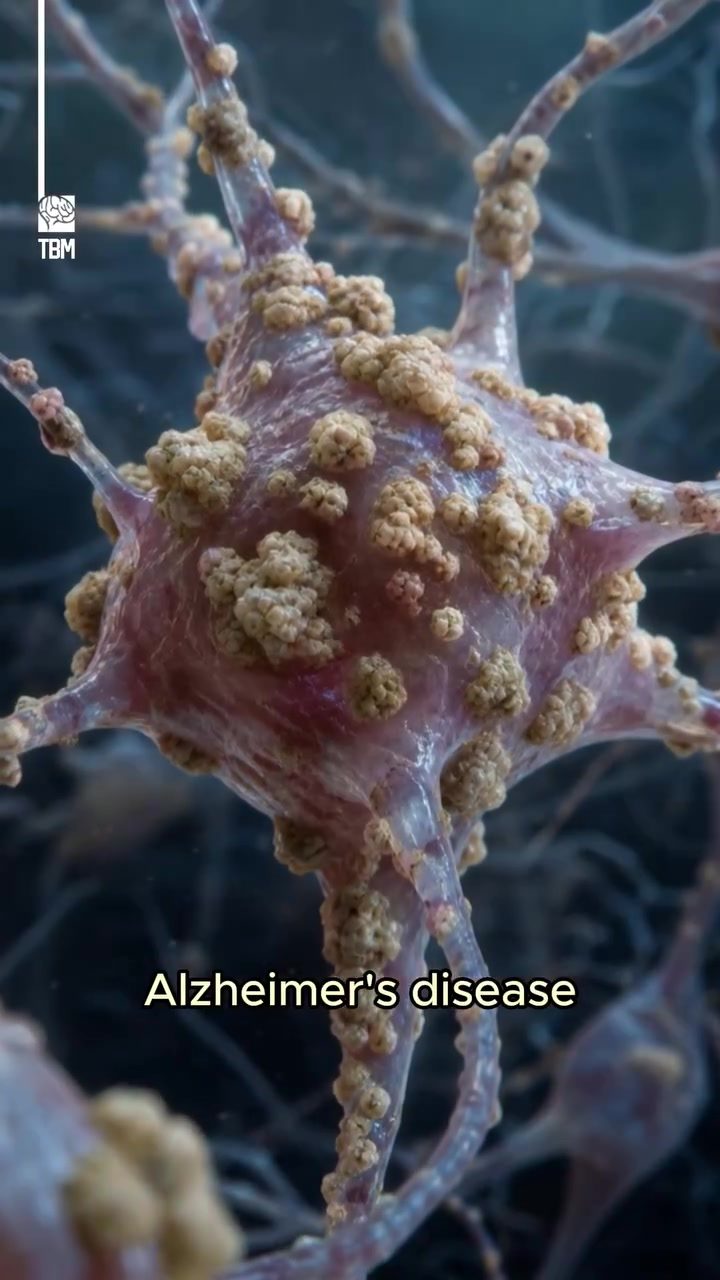
Alzheimer's disease is characterized by two main types of protein deposits: amyloid beta plaques and tau protein tangles. Amyloid beta plaques are deposits of a protein fragment called amyloid beta that accumulate outside neurons. These plaques create an environment that is toxic to the brain, impairing synaptic function – the communication between neurons. Meanwhile, tau protein tangles form inside neurons, destabilizing the internal transport systems that neurons rely on to function properly. This double assault on neurons leads to a progressive loss of communication and eventual cell death.
Inflammation and Cognitive Decline
Inflammation plays a significant role in the progression of Alzheimer's disease. As amyloid beta plaques and tau tangles accumulate, they trigger a destructive process that fuels chronic inflammation. This inflammation further amplifies the damage, creating a vicious cycle that accelerates cognitive decline. Over time, brain regions critical for memory, thinking, and behavior shrink, resulting in the devastating symptoms associated with Alzheimer's, including memory loss and cognitive impairment.
The Vicious Cycle
The interplay between amyloid beta plaques, tau tangles, and inflammation creates a vicious cycle. As the deposits accumulate, they impair neuron function and communication, leading to further inflammation. This inflammation, in turn, accelerates the formation of more deposits, further impairing neuron function and communication, and the cycle continues. This cycle underscores the urgency of understanding how to break it and develop effective interventions.
The Impact on Brain Regions and Function
Memory and Cognition
One of the most devastating impacts of Alzheimer's is on memory and cognition. The disease disrupts the delicate communication networks essential for these functions. As neurons lose their ability to communicate effectively, memory and cognitive abilities decline progressively.
Other Brain Regions
Alzheimer's does not just affect memory; it impacts various brain regions responsible for thinking and behavior. Over time, these regions shrink, leading to a range of symptoms that can include changes in personality, mood, and behavior, as well as difficulties with language and spatial orientation.
Research and Interventions
Despite decades of research, effective treatments for Alzheimer's disease remain elusive. Ongoing research is focused on understanding the underlying mechanisms of the disease, with the hope of developing targeted interventions. Current research efforts are aimed at better understanding how these proteinopathies unravel the brain's intricate wiring, with the goal of identifying new therapeutic targets.
Practical Tips for Supporting Loved Ones with Alzheimer's
Caring for someone with Alzheimer's can be challenging, but there are practical steps you can take to support them:
Early Diagnosis
Early diagnosis is crucial for managing Alzheimer's effectively. Encourage loved ones to seek medical attention if they exhibit symptoms such as memory loss, confusion, or changes in behavior.
Creating a Supportive Environment
Creating a supportive and safe environment can help manage the symptoms of Alzheimer's. This includes removing potential hazards, establishing routines, and providing cognitive stimulation.
Seeking Professional Help
Engaging with healthcare professionals, support groups, and therapists can provide valuable resources and strategies for coping with the disease. Professional help can also offer respite care, giving caregivers a much-needed break.
Education and Awareness
Educating yourself and your family about Alzheimer's can help you better understand the disease and its progression. Awareness can also help in anticipating and managing the challenges that lie ahead.
Important Takeaways
Alzheimer's disease is a complex and progressive condition that impacts the brain's fundamental architecture. Understanding the mechanisms behind the disease, including the roles of amyloid beta plaques, tau protein tangles, and chronic inflammation, is crucial for developing effective interventions. Early diagnosis, supportive environments, professional help, and education are essential for managing the disease and providing support to those affected.
Conclusion
Alzheimer's disease presents a significant challenge, but ongoing research and proactive management strategies offer hope. By understanding the disease's mechanisms and taking practical steps to support those affected, we can work towards improving the quality of life for individuals with Alzheimer's and their caregivers. The journey is complex, but with continued research and support, we can strive for a future where Alzheimer's disease is more manageable and, ultimately, preventable.
Watch the Reel
Questions readers ask
What are the main causes of Alzheimer's disease?
Alzheimer's disease is primarily caused by two key factors: the accumulation of amyloid beta plaques and the formation of tau protein tangles in the brain. These abnormal structures interfere with normal neuron communication and contribute to chronic inflammation, leading to the progressive decline in brain function and cognitive abilities.
How does Alzheimer's disease affect memory?
Alzheimer's disease impacts memory by destroying the brain's architecture, particularly in regions crucial for memory formation and recall. The buildup of amyloid beta plaques and tau protein tangles disrupts neuron communication, leading to memory impairment and, eventually, significant memory loss.
Is Alzheimer's the same as dementia?
Alzheimer's disease is the most common cause of dementia, but they are not the same. Dementia is a broader term that describes a range of symptoms associated with a decline in cognitive function, including memory loss, confusion, and behavioral changes. Alzheimer's disease is a specific type of dementia with its own unique characteristics and causes.
Can Alzheimer's disease be prevented?
Currently, there is no definitive way to prevent Alzheimer's disease. However, certain lifestyle factors like regular physical activity, a healthy diet, and mental stimulation may help reduce the risk of developing the condition. ongoing research is focused on finding effective preventive measures and treatments.
What are the early signs of Alzheimer's disease?
Early signs of Alzheimer's disease often include mild forgetfulness that gradually worsens, such as difficulty remembering recent events or conversations. Other symptoms may include struggling with familiar tasks, disorientation, and changes in mood or personality. If you notice these signs, it is important to consult a healthcare professional for a proper evaluation.
How does Alzheimer's disease impact daily life?
Alzheimer's disease significantly impacts daily life as it progresses. Individuals may experience increasing difficulties with tasks such as managing finances, preparing meals, or even recognizing family and friends. The decline in cognitive function can lead to a loss of independence and a growing need for support and care.
Related deep dives
Similar reads based on topic and creator.


Recent articles
Fresh deep dives from the latest Reels we unpacked.




Comments
Be the first to comment.