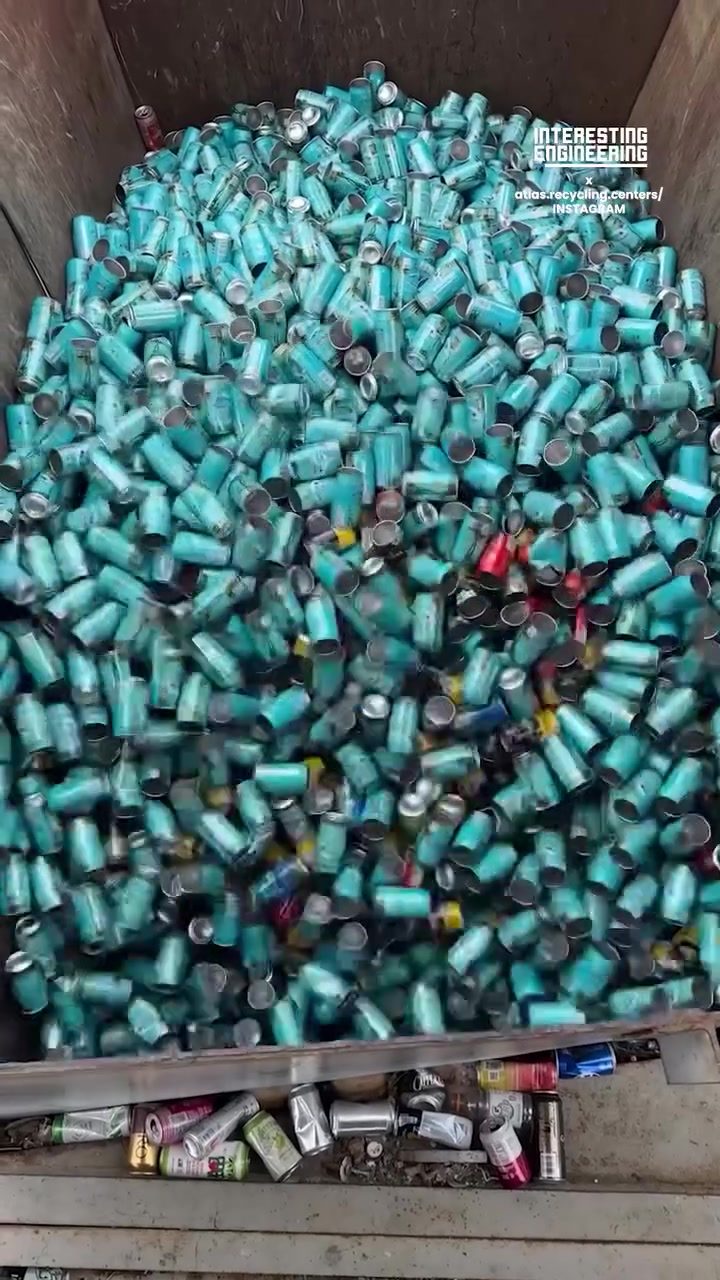
Recycling Aluminum Cans
Aluminum cans are a ubiquitous part of modern life, and their recycling process is both fascinating and environmentally crucial. The process of recycling aluminum cans involves crushing them under pressure inside a container, preparing the material for bulk recycling. This method not only reduces the volume of the cans but also makes the recycling process more efficient.
Why this Matters
Recycling aluminum cans is essential for several reasons. First, it conserves natural resources. Aluminum is a finite resource, and recycling reduces the need to mine new aluminum ore. Second, recycling aluminum saves energy. Producing new aluminum from old materials uses significantly less energy than extracting and processing raw aluminum ore. Third, recycling reduces waste. Aluminum cans make up a significant portion of household waste, and recycling them keeps this waste out of landfills and incinerators. Lastly, aluminum is infinitely recyclable, meaning it can be recycled over and over again without losing its quality.
The Recycling Process for Aluminum Cans
Collection and Sorting
The recycling journey of an aluminum can begins with collection. Cans are collected from various sources, including curbside recycling programs, drop-off centers, and commercial recycling bins. Once collected, the cans are transported to a recycling facility for sorting. At the facility, the cans are separated from other recyclables and any contaminants. This step is crucial as it ensures that only clean, high-quality aluminum makes it to the next stages of the process.
Crushing and Compaction
After sorting, the cans are crushed under pressure inside a container. This process, known as compaction, significantly reduces the volume of the cans, making them easier to transport and store. The crushed cans are then baled and prepared for transport to a recycling plant. Compaction is an essential step in the recycling process as it reduces the overall cost and environmental impact of transporting the cans.
Shredding and Melting
Once the crushed cans reach the recycling plant, they are shredded into small pieces. This increases the surface area of the aluminum, making it easier to melt and purify. The shredded aluminum is then melted in a furnace at extremely high temperatures. The molten aluminum is poured into molds and allowed to cool, forming large ingots. These ingots are then shipped to manufacturing facilities where they are used to create new aluminum products.
Purification and Quality Control
The molten aluminum is purified to remove any impurities, resulting in high-quality aluminum. This purified aluminum is then used to create new products, such as cans, foil, and other aluminum products. The entire process is designed to ensure that the recycled aluminum meets the same quality standards as virgin aluminum.
Returning to the Market
The finished product is then shipped to manufacturers who use it to create new aluminum products. This closed-loop system ensures that metal is continuously recycled and reused, reducing the need for new aluminum production and conserving natural resources.
Practical Tips for Recycling Aluminum Cans at Home
Recycling aluminum cans at home is straightforward and can have a significant impact on the environment. Here are some practical tips to help you get started:
Clean the Cans
Before recycling your aluminum cans, make sure to rinse them out. This removes any residual liquids or contaminants, making the recycling process more efficient.
Remove Lids and Caps
Remove any lids, caps, or labels from the cans. These items can contaminate the recycling process, so it's essential to remove them before recycling.
Crush the Cans
Crushing the cans reduces their volume, making them easier to store and transport. You can use a specialized can crusher or simply step on the can to flatten it.
Recycle Regularly
Make recycling a regular habit. Set up a designated recycling bin in your home and empty it regularly. This ensures that your cans and other recyclables are collected and processed efficiently.
Know Your Local Recycling Rules
Recycling rules can vary by location, so check with your local recycling center to understand their specific requirements. This ensures that your aluminum cans are recycled correctly and do not contaminate other recyclables.
Participate in Community Programs
Many communities offer recycling programs and incentives for residents who recycle. Participate in these programs to support your local recycling efforts and contribute to a cleaner environment.
Encourage Others to Recycle
Encourage your family, friends, and neighbors to recycle aluminum cans. The more people who participate in recycling, the greater the positive impact on the environment.
Important Takeaways
Recycling aluminum cans is a straightforward and impactful way to conserve natural resources, save energy, and reduce waste. By understanding the recycling process and following practical tips, you can contribute to a more sustainable future. Whether you're crushing cans at home or participating in community recycling programs, every action counts.
Conclusion
Aluminum cans play a significant role in our daily lives, and their recycling is a critical aspect of sustainable living. By crushing cans under pressure and preparing them for bulk recycling, we can efficiently manage this valuable resource. From collection and sorting to compaction, melting, and purification, the recycling process ensures that aluminum is reused and repurposed, reducing waste and conserving energy. By adopting practical recycling habits and participating in community programs, we can all contribute to a cleaner, more sustainable world.
Watch the Reel
Questions readers ask
What is the first step in the aluminum can recycling process?
The initial step in recycling aluminum cans is crushing them under high pressure. This compaction process reduces the volume of the cans, making them easier and more efficient to transport and store in large bins before being sent to recycling centers.
Why is the compaction of aluminum cans important?
Crushing and compacting aluminum cans is crucial for bulk recycling efficiency. By reducing the overall volume of the cans, this process optimizes the space used during transportation and storage, leading to more efficient operations in recycling centers.
How does recycling aluminum cans conserve resources?
Recycling aluminum cans is vital for conserving natural resources. By recycling existing aluminum, the need to mine new aluminum ore is reduced. This helps preserve finite resources and minimizes the environmental impact associated with mining activities.
What are the benefits of watching an aluminum recycling video?
An aluminum recycling video can provide valuable insights into the entire recycling process. By watching, you can understand how aluminum cans are prepared, compacted, and recycled, which can motivate people to participate more actively in recycling efforts and enhance overall efficiency.
What happens to the crushed aluminum cans after compaction?
Once aluminum cans are crushed and compacted, they are stored in large bins designed for bulk recycling. These bins are then transported to aluminum recycling centers, where the material is processed and prepared for reuse.
How can recycling aluminum cans help save energy?
Recycling aluminum cans is a significant energy saver. The process of turning recycled aluminum into new products uses much less energy than extracting and processing raw aluminum ore. By recycling, we reduce the energy demand and lower the carbon footprint associated with aluminum production.
Why should I consider using large bins for aluminum can recycling?
Large bins facilitate efficient aluminum can recycling by allowing for bulk storage and easy transportation. These bins accommodate the compacted cans, making it simpler to manage and recycle large quantities of aluminum, which is beneficial for both households and recycling centers.
Related deep dives
Similar reads based on topic and creator.

Recent articles
Fresh deep dives from the latest Reels we unpacked.




Comments
Be the first to comment.