Aloha Airlines Flight 243: A Landmark Incident in Aviation Safety
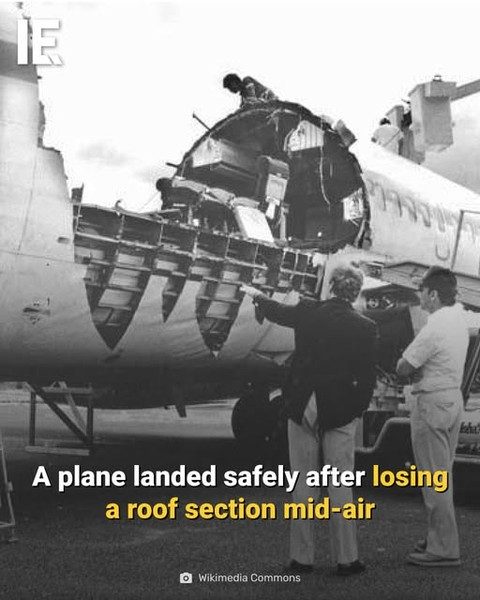
In 1988, Aloha Airlines Flight 243, a Boeing 737, experienced a catastrophic failure 24,000 feet above the Pacific Ocean. A large section of the fuselage tore open mid-flight, causing explosive decompression. Despite the extensive damage, the pilots successfully navigated the crippled aircraft to a safe landing in Maui, Hawaii. This incident remains a pivotal moment in aviation history, leading to significant advancements in aircraft inspection and safety protocols.
Why This Matters
The Aloha Airlines Flight 243 incident is more than just a dramatic tale of survival; it is a turning point in aviation safety. The incident highlighted critical issues in aircraft maintenance and inspection, leading to widespread reforms in the industry. Understanding this event provides valuable insights into the importance of regular inspections, material fatigue, and the resilience of aircraft design.
The Incident: A Detailed Account
The Flight and the Failure
Aloha Airlines Flight 243 was a routine flight from Hilo to Honolulu. At around 24,000 feet, a large section of the fuselage tore open, creating a gaping hole in the cabin roof. The sudden decompression caused significant turbulence and chaos, but the pilots, Captain Robert Schornstheimer and First Officer Madeline "Madie" Tompkins, managed to regain control of the plane. Despite the extensive damage, the pilots expertly navigated the aircraft to a safe emergency landing in Kahului, Maui. Only one passenger, a flight attendant, was fatally injured, highlighting the remarkable resilience of the aircraft and the skill of the crew.
The Cause: Metal Fatigue and Structural Aging
The National Transportation Safety Board (NTSB) conducted an extensive investigation into the incident. The primary cause was identified as metal fatigue, exacerbated by the aircraft's structural aging. The Boeing 737 involved in the incident had logged more than 35,000 flights and was nearing the end of its designated lifespan. The fuselage's repeated exposure to pressure changes and cycles of takeoff and landing had weakened the metal, leading to the catastrophic failure.
The Aftermath and Reforms
The Aloha Airlines incident sparked a global overhaul of aircraft inspection protocols. Prior to this event, there were no standardized guidelines for inspecting aging airframes for metal fatigue. The incident led to the implementation of more stringent inspection programs, including the use of advanced non-destructive testing (NDT) methods. These reforms ensured that aircraft components were thoroughly checked for signs of fatigue and corrosion, significantly enhancing flight safety.
Practical Tips for Aviation Safety
Regular Inspections and Maintenance
One of the most critical takeaways from the Aloha Airlines incident is the importance of regular and thorough inspections. While this may seem like a no-brainer, the incident highlighted the need for more rigorous and frequent checks, especially for older aircraft. Commercial airlines should prioritize regular inspections and maintenance schedules, ensuring that critical components are closely monitored for signs of wear and tear.
Advanced Non-Destructive Testing (NDT)
NDT methods, such as ultrasonic testing and eddy current testing, have become indispensable in the aviation industry. These techniques allow inspectors to detect material defects and cracks without causing damage to the aircraft. Regular use of NDT ensures that potential issues are identified and addressed before they become critical.
Pilot Training and Emergency Protocols
The successful landing of Aloha Airlines Flight 243 underscores the importance of well-trained pilots and clear emergency protocols. Training programs should incorporate scenarios that simulate extreme conditions, ensuring that pilots are prepared to handle unexpected situations with confidence and precision. It is also essential to regularly update and practice emergency procedures to maintain crew readiness.
Material Science and Structural Integrity
The incident brought attention to the limitations of traditional aircraft materials and design. Modern aircraft manufacturing focuses on using more durable materials and implementing design features that enhance structural integrity. Innovations such as composite materials and advanced alloys can help mitigate the risk of metal fatigue, extending the lifespan and safety of aircraft.
Important Takeaways
The Aloha Airlines Flight 243 incident is a stark reminder of the importance of vigilance in aviation safety. The event highlights the necessity of regular inspections, advanced testing methods, and well-trained personnel. It also underscores the significance of continuous innovation in aircraft design and material science. By learning from this incident, the aviation industry has made significant strides in ensuring the safety of millions of passengers worldwide.
Conclusion
The Aloha Airlines Flight 243 incident stands as a testament to the resilience and adaptability of the aviation industry. From the extraordinary efforts of the pilots to the groundbreaking reforms in aircraft inspection, this event has left an indelible mark on aviation safety. By understanding the causes and consequences of this incident, we can appreciate the complexities and challenges of ensuring safe and reliable air travel. The lessons learned from this historic event continue to guide the evolution of aviation safety, making the skies safer for all.
Watch the Reel
Questions readers ask
What caused the fuselage of Aloha Flight 243 to fail mid-flight?
The fuselage failure was primarily due to a combination of metal fatigue and extensive corrosion, which weakened the structural integrity of the aircraft over time. The plane, a Boeing 737, had undergone numerous cycles of pressurization and depressurization, exacerbating the damage and ultimately leading to the catastrophic failure.
How did the pilots manage to land the plane safely?
The pilots of Aloha Flight 243 relied on their training and quick thinking to stabilize the aircraft after the fuselage failure. They declared an emergency and followed safety protocols, using manual controls to navigate the damaged plane. The pilots also worked with air traffic control to execute a safe landing at Kahului Airport in Maui, Hawaii.
What specific improvements in aviation safety came from Aloha Flight 243?
The incident led to significant advancements in understanding the issues of aircraft structural fatigue and aging aircraft. New inspection protocols were introduced, including more frequent and thorough checks on critical aircraft components. This included eddy current testing and ultraviolet light inspection of lap joints.
How did the Aloha Flight 243 incident impact the inspection of aging aircraft?
The incident highlighted the importance of rigorous inspection and maintenance for aging aircraft. As a result, airlines adopted more stringent inspection schedules and safety protocols, ensuring that older planes were regularly assessed for structural integrity and potential corrosion issues. The Federal Aviation Administration (FAA) also imposed stricter guidelines for aircraft inspection.
What was the immediate aftermath for Aloha Airlines and their passengers?
The immediate aftermath was chaotic but relatively fortunate. Despite the dramatic nature of the incident, only one passenger was killed and 65 were injured due to the explosive decompression. The passengers and crew members were evacuated safely to Maui after the landing. Aloha Airlines received praise for the crew’s handling of the situation, but also faced significant scrutiny and public awareness of the importance of aircraft maintenance.
What role did the FAA play in the aftermath of Aloha Flight 243?
The FAA played a crucial role in the aftermath of the Aloha Flight 243 incident. They launched a comprehensive investigation to determine the cause of the fuselage failure and implemented new safety protocols. The FAA also issued Airworthiness Directive to mandate inspections for aging aircraft, particularly focusing on lap joints similar to those that failed on the aircraft.
Recent articles
Fresh deep dives from the latest Reels we unpacked.




Comments
Be the first to comment.