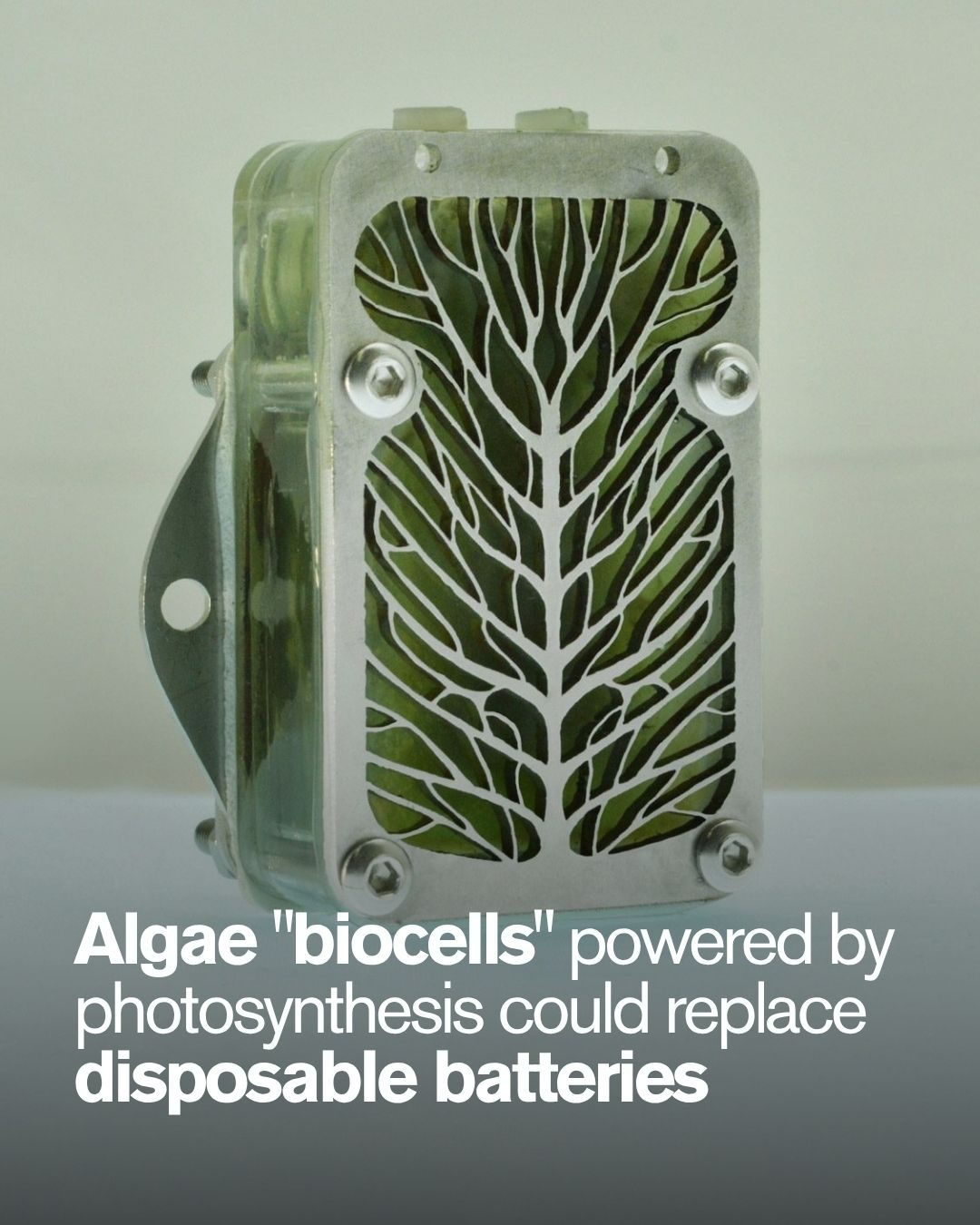
Biocell Battery Technology
Biocell battery technology represents a groundbreaking advancement in sustainable energy solutions. Unlike conventional batteries, biocells harness the power of algae photosynthesis to generate electricity, offering a cleaner and potentially more efficient alternative to disposable batteries. This technology, pioneered by institutions like the University of Cambridge, opens up new possibilities for renewable energy and environmental sustainability.
Why This Matters
The development of biocell technology is driven by the urgent need to reduce our reliance on disposable batteries, which contribute significantly to environmental waste. Biophotovoltaics, or biological solar panels, convert light into electrical current through natural processes in living microorganisms. This approach not only reduces waste but also provides a consistent and renewable source of energy.
Main Discussion
The Science Behind Biocells
At the heart of biocell technology lies the process of photosynthesis, a natural phenomenon where algae and other photosynthetic organisms convert sunlight into energy. In biocells, this natural process is harnessed to generate electrical current. The algae within the biocell device act as living solar panels, continuously producing electricity as long as they are exposed to light.
Environmental Benefits
One of the most compelling aspects of biocell technology is its environmental benefit. Traditional batteries, particularly small disposable ones, are a significant source of waste. Millions of these batteries are discarded annually, contributing to landfill waste and posing environmental hazards. Biocells, on the other hand, offer a much cleaner source of energy. By replacing disposable batteries with biocells, we can significantly reduce environmental pollution and conserve resources.
Design Challenges and Innovations
Designing a biocell involves unique challenges. The device must function as a piece of technology while also accommodating living organisms. This dual requirement presents an interesting tension. Researchers are exploring various ways to make biocells more compact and efficient. The goal is to create devices that are not only effective but also visually appealing, potentially showcasing the living organisms within.
Potential Applications
The potential applications of biocell technology are vast. From powering small electronic devices to larger-scale energy solutions, biocells offer a versatile and sustainable energy source. They could be integrated into smartphones, wearables, and other portable devices, providing a continuous power supply without the need for charging or battery replacements. Additionally, biocells could be used in remote or off-grid locations where access to traditional power sources is limited.
Practical Tips
Understanding Biocell Devices
To understand biocell devices better, it's helpful to look at their structure and components. Typically, a biocell device includes a chamber where the algae are housed, a system for light exposure to facilitate photosynthesis, and an electrical circuit to capture the generated current. Understanding these components can help in optimizing the device's performance and efficiency.
Integrating Biocells into Daily Life
Integrating biocell technology into daily life involves considering how and where to use these devices. For example, biocells could be incorporated into outdoor gear, such as camping equipment, to provide a reliable power source. They could also be used in urban settings, integrated into public infrastructure like streetlights or charging stations.
Maintenance and Care
Maintaining biocell devices is straightforward but requires some attention. The algae inside the biocell need regular light exposure to continue producing energy. Additionally, occasional cleaning and replacement of algae may be necessary to ensure optimal performance.
Important Takeaways
Environmental Impact
Biocell technology has the potential to significantly reduce environmental waste by replacing disposable batteries. This shift towards more sustainable energy sources is crucial for addressing global environmental concerns.
Technological Advancements
The ongoing research and development in biocell technology are paving the way for innovative and efficient energy solutions. As we continue to understand and optimize this technology, we can expect to see more compact and effective biocell devices in the future.
Public Awareness and Adoption
For biocell technology to reach its full potential, public awareness and adoption are essential. Encouraging more people to understand and use biocell devices can accelerate their integration into everyday life and contribute to a more sustainable future.
Conclusion
Biocell battery technology offers a promising and sustainable alternative to traditional batteries. By harnessing the power of algae photosynthesis, biocells provide a cleaner and more efficient energy source, reducing environmental waste and conserving resources. As research and development continue, the potential for biocells to revolutionize energy solutions becomes increasingly clear. Embracing this technology can lead to a more sustainable future, where our energy needs are met through innovative and eco-friendly means.
Watch the Reel
Questions readers ask
What are algae-powered biocells and how do they work?
Algae-powered biocells are devices that use algae to convert light into electrical energy through the process of photosynthesis. These living solar panels generate electricity through the natural processes of algae, making them a sustainable and clean alternative to traditional batteries.
Why are algae-powered biocells considered a sustainable alternative to disposable batteries?
Algae-powered biocells are considered a sustainable alternative because they produce energy from a renewable source—algae—and do not contribute to the growing problem of battery waste. Since algae can regenerate, biocells have the potential to provide a consistent and long-term energy solution.
Who is leading the research in algae-powered biocell technology?
Institutions like the University of Cambridge are at the forefront of developing algae-powered biocell technology. Their research focuses on leveraging the natural processes of algae to create efficient and clean energy solutions through biological solar panels.
What are the environmental benefits of using algae-powered biocells?
Algae-powered biocells significantly reduce environmental waste compared to disposable batteries. By using a renewable, natural process, they help lower carbon footprint and minimize the hazardous materials that traditional batteries often contain.
How does the efficiency of algae-powered biocells compare to conventional batteries?
The efficiency of algae-powered biocells is an area of active research. While current prototypes may not yet match the immediate power output of conventional batteries, the long-term sustainability and renewable nature of biocells make them a promising alternative for continuous, clean energy generation.
Recent articles
Fresh deep dives from the latest Reels we unpacked.




Comments
Be the first to comment.