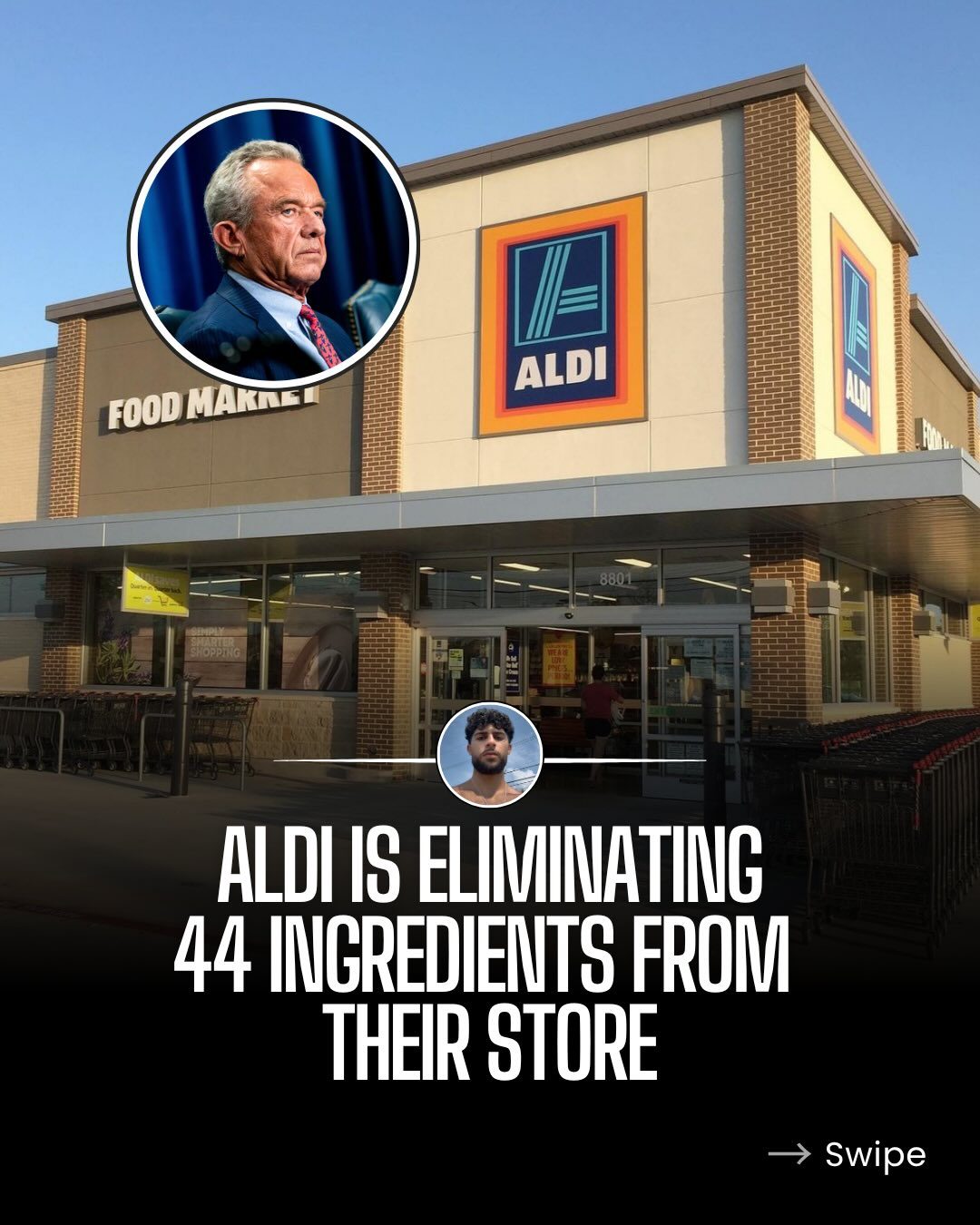
Aldi Eliminates Ingredients from Private-Label Products
Why This Matters
The decision by Aldi to eliminate 44 ingredients from its private-label products by the end of 2027 is a significant move in the grocery industry. This initiative reflects a growing trend among major retailers to prioritize healthier and more transparent food options. By expanding its 'restricted ingredients' list from 13 to 57, Aldi is taking a bold step towards aligning with consumer demands for cleaner, more natural products. This shift not only impacts the grocery landscape but also underscores the influence consumers have on the industry's direction.
The Ingredients Being Removed
The list of ingredients being phased out by Aldi includes a variety of artificial additives that have been widely scrutinized for their potential health implications. Some of the key ingredients being removed are:
- Artificial Preservatives (BHA, BHT): Commonly used to extend shelf life, these preservatives have been linked to potential health risks when consumed in large quantities.
- Synthetic Food Dyes (Titanium Dioxide): Often used to enhance the visual appeal of food, synthetic dyes have been subject to controversy due to concerns about their safety and potential adverse effects.
- Artificial Flavors (Acesulfame K, Azodicarbonamide): These additives are used to enhance the taste and texture of food products, but they have also faced criticism for their potential health impacts and lack of transparency in labeling.
Context: Retail Industry Trends
Aldi's move is part of a broader industry trend where major retailers are making commitments to eliminate potentially harmful ingredients. Companies like Kroger and Walmart have made similar declarations, indicating a wider shift in consumer preferences and regulatory pressures.
These retailers are responding to increased consumer awareness and demand for healthier, more natural food products. This trend is driven by a growing body of research highlighting the potential health risks associated with certain artificial additives. As a result, retailers are increasingly focused on providing options that cater to these evolving consumer preferences.
The Broader Impact
Aldi's decision to eliminate these ingredients is more than just a corporate move; it's a reflection of the evolving landscape of consumer expectations. By removing potentially harmful ingredients, Aldi is not only catering to a more health-conscious consumer base but also setting a standard for other retailers to follow. This initiative underscores the power of consumer demand in shaping industry practices and the importance of transparency in food labeling.
Practical Tips for Consumers
While Aldi's initiative is a significant step, consumers can take additional steps to ensure they are making informed decisions about the products they buy. Here are some practical tips:
- Read Labels: Take the time to read product labels and understand the ingredients listed. Look out for any of the artificial additives mentioned above.
- Stay Informed: Keep up with industry trends and news about ingredient safety. Staying informed can help you make better choices when shopping.
- Support Transparent Brands: Choose brands that prioritize transparency and are open about their ingredient practices. Aldrich's decision is just one example of how retailers can respond to consumer demand for cleaner, more natural products.
Important Takeaways
Aldi's decision to eliminate 44 ingredients from its private-label products is a significant move that reflects broader trends in the industry. Here are the key takeaways:
- Consumer Influence: This decision underscores the power of consumer demand in shaping industry practices. By making informed choices, consumers can drive significant changes in the grocery industry.
- Transparency: There is a growing demand for transparency in food labeling. Retailers are responding by eliminating potentially harmful ingredients and providing clearer information to consumers.
- Health Awareness: The move highlights the importance of being informed about the ingredients in the food products we consume. With this awareness, consumers can make healthier choices.
Conclusion
Aldi's initiative to eliminate 44 potentially harmful ingredients from their private-label products is a significant step forward in the grocery industry. This decision reflects a broader trend driven by consumer demand for healthier, more natural products. By reading labels, staying informed, and supporting transparent brands, consumers can play a vital role in shaping the future of the grocery industry.
Watch the Reel
Questions readers ask
Which specific ingredients is Aldi planning to remove from its private-label products?
Aldi has announced that it will remove 31 new ingredients from its private-label products by the end of 2027, in addition to the 13 it has already eliminated. These ingredients include artificial additives such as azodicarbonamide, acetaldehyde, and azodicarbonamide, as well as preservatives like BHA and BHT. The retailer will no longer include these ingredients in its products.
What is driving Aldi's decision to eliminate these ingredients?
Aldi's decision is driven by changing consumer preferences and regulatory pressures. Consumers are increasingly demanding cleaner, more natural, and transparent food options, and Aldi is responding to this market trend by eliminating ingredients that are perceived as artificial or potentially harmful.
How does Aldi's move compare to other major retailers?
Aldi's initiative is part of a broader industry trend. Retailers like Kroger and Walmart have also made significant strides in removing artificial ingredients from their store-brand products, reflecting a collective shift in the grocery industry towards more wholesome and transparent food options. Aldi's move is notable for the scope and specificity of its ingredient elimination goals.
What are the implications of Aldi's decision on the grocery industry?
Aldi's decision signals a major shift in the grocery industry towards cleaner, more transparent food options. This move is likely to influence other retailers to follow suit, as well as encourage manufacturers to reformulate their products to meet changing consumer demands. It also underscores the power of consumer preferences in shaping industry practices.
What is the timeline for Aldi's ingredient elimination plan?
Aldi aims to complete the elimination of the 44 ingredients by the end of 2027. The retailer has already begun this process, having removed 13 ingredients in prior years, and will continue to phase out the remaining ingredients over the next few years. The timeline reflects a strategic and gradual approach to transitioning to healthier, more natural products.
How will Aldi's ingredient elimination affect its private-label product offerings?
Aldi's elimination of 44 ingredients will result in a reformulation of its private-label products made from these ingredients. The retailer will work on reformulating its products to remove these ingredients while maintaining product quality and affordability. This reformulation is a significant challenge but also presents an opportunity for Aldi to enhance its product offerings.
What products will be affected by Aldi's ingredient elimination?
While not all products will be affected, any product that contains any of the 44 ingredients will need to be reformulated. Products in Aldi's private-label product lines, including food and beverage items, will be assessed and reformulated to eliminate these ingredients, impacting a wide range of products in Aldi's stores. The extent of the impact will depend on the specific ingredient composition of each product.
Recent articles
Fresh deep dives from the latest Reels we unpacked.




Comments
Be the first to comment.