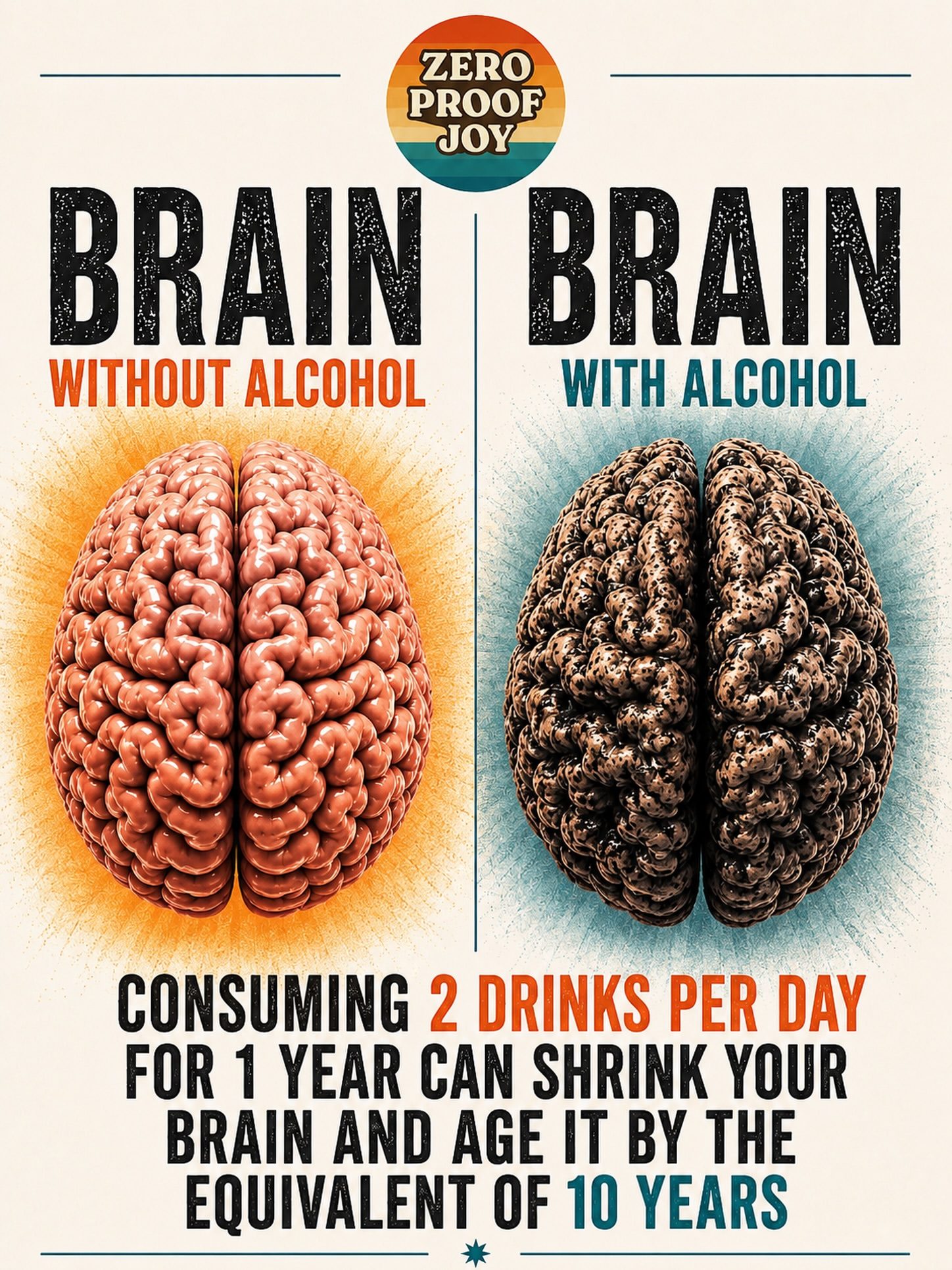
Alcohol's Impact on the Brain
Alcohol consumption has long been a topic of interest, particularly when it comes to its effects on the human body. Recent infographics have brought attention to how alcohol can significantly impact the brain, highlighting the consequences of regular alcohol intake.
Context: Why this Matters
Understanding the impact of alcohol on the brain is crucial for anyone who consumes it. Alcohol is a central nervous system depressant, and its effects on the brain can be far-reaching and long-lasting. Regular consumption can lead to both short-term and long-term cognitive impairments, affecting memory, coordination, and overall brain health.
Main Discussion
The Immediate Effects of Alcohol
When you consume alcohol, it quickly enters your bloodstream and affects your brain almost immediately. The initial effects can include altered mood, lowered inhibitions, and impaired coordination. These effects are temporary and usually wear off as the alcohol is metabolized by the body. However, repeated consumption can lead to more serious and lasting impacts.
Long-Term Effects
The long-term effects of alcohol on the brain are more concerning. Heavy drinking can lead to structural and functional changes in the brain, including shrinking of the brain (atrophy), reduced gray matter, and impaired cognitive function. These changes can be particularly pronounced in the frontal cortex, which is responsible for many critical functions, such as decision-making, problem-solving, and impulse control.
Consuming 2 Drinks Per Day for One Year
One of the most alarming findings from recent studies is that consuming just two alcoholic drinks per day can have significant negative effects on the brain. For example, the infographics show that this level of consumption over a year can shrink the brain and age it by the equivalent of 10 years. This means that regular, moderate drinking can lead to accelerated brain aging and cognitive decline.
Brain Shrinkage
Brain shrinkage, or atrophy, is a well-documented consequence of heavy alcohol consumption. Regular drinking can lead to a reduction in both white and gray matter, which are essential for brain function. Gray matter is responsible for processing information, while white matter facilitates communication between different brain regions. Loss of either can impair cognitive abilities and motor skills.
Accelerated Aging
The infographic emphasizes that consuming two drinks per day for a year can age your brain by the equivalent of 10 years. This accelerated aging can manifest in various ways, including cognitive decline, memory loss, and an increased risk of developing neurodegenerative diseases like Alzheimer's. The brain's ability to recover from alcohol-related damage is limited and often incomplete, making prevention a critical factor.
Practical Tips
Moderating Your Drink
If you choose to drink, moderation is key. The recommended guidelines for moderate drinking are no more than one drink per day for women and no more than two drinks per day for men. Keeping within these limits can help minimize the risks to your brain and overall health. Always remember that even moderate drinking can have cumulative effects, so it's important to be mindful of your consumption patterns.
Stay Hydrated
Drinking water before, during, and after consuming alcohol can help mitigate its effects. Alcohol is a diuretic, meaning it increases urine production and can lead to dehydration. Staying hydrated can help reduce some of the negative effects of alcohol on the brain, such as headaches and fatigue.
Seek Alternatives and Minimize Intake
Consider alternatives like ZERO PROOF beverages, which provide a non-alcoholic option. These beverages can help you enjoy social gatherings without the potential risks associated with alcohol consumption. If you enjoy drinking alcohol, limiting your intake to special occasions rather than making it a daily habit can also help.
Regular Brain Exercises
Engaging in activities that stimulate the brain can help offset some of the negative effects of alcohol. Regular brain exercises, such as puzzles, reading, and learning new skills, can help maintain cognitive function and potentially slow down the aging process.
Monitor Your Health
Regular medical check-ups and health screenings can help you stay informed about your brain health. If you have concerns about your alcohol consumption or notice any cognitive changes, consult a healthcare professional.
Important Takeaways
The infographics and scientific studies highlight the significant impact that regular alcohol consumption can have on the brain. Consuming just two drinks per day for a year can lead to brain shrinkage and accelerate the aging process. These findings underscore the importance of moderation and mindfulness when it comes to alcohol consumption.
Moderation is Key
Moderating your alcohol intake is crucial for maintaining brain health. Keeping within recommended guidelines and being mindful of your drinking habits can help minimize the risks.
Health Screenings and Monitoring
Regular health screenings and consultations with healthcare professionals are essential for monitoring brain health. If you notice any cognitive changes or have concerns about your alcohol consumption, seeking professional advice is vital.
Stay Hydrated
Staying hydrated, engaging in brain-stimulating activities, and considering non-alcoholic alternatives can all contribute to maintaining brain health while limiting alcohol consumption.
Conclusion
Alcohol's impact on the brain is a critical area of study, especially with increasing awareness of its long-term effects. Regular consumption, even at moderate levels, can lead to significant changes in brain structure and function. Understanding these effects and taking practical steps to mitigate them can help you maintain good brain health. Whether you choose to consume alcohol or opt for non-alcoholic alternatives, keeping mindful of your choices and staying informed can make a significant difference.
Watch the Reel
Questions readers ask
How does alcohol consumption affect memory?
Alcohol can lead to both short-term and long-term memory loss. Even moderate drinking can impair the brain's ability to form new memories and retrieve old ones, which might be noticed as blackouts or difficulties remembering recent events.
Can moderate drinking cause brain changes?
Yes, moderate drinking can induce changes in brain structure and function. Long-term effects can include accelerating aging of the brain, reducing brain volume, and impairing cognitive functions, even if symptoms of alcohol brain deterioration are not immediately noticeable.
What happens to brain coordination with alcohol consumption?
Alcohol is a central nervous system depressant, which means it slows down the communication between the brain and the body. This can lead to impaired coordination, motor skills, and even balance, making everyday tasks more challenging.
How does alcohol impact brain health?
Regular alcohol consumption can lead to significant brain changes, including shrinkage of the hippocampus and prefrontal cortex, regions responsible for memory and decision-making. These changes can lead to long-term cognitive impairments and overall brain health deterioration.
What are the visible effects of alcohol on the brain?
Prolonged alcohol consumption may lead to visible changes in brain appearance, such as reduced brain volume and shrinkage of specific regions. These changes can be observed through brain imaging techniques like MRIs, which can show structural differences in the brains of heavy drinkers compared to non-drinkers.
Is there a link between alcohol and cognitive function?
Yes, there is a strong link between alcohol consumption and cognitive function. Long-term alcohol use can lead to impairments in cognitive abilities, such as memory, problem-solving, and critical thinking skills, making daily activities more challenging.
Can abstaining from alcohol help reverse brain changes?
While some brain changes may be reversible with abstinence, others may be permanent, depending on the severity and duration of alcohol use. Stopping alcohol consumption can help maintain a healthy brain and improve cognitive functions.
Recent articles
Fresh deep dives from the latest Reels we unpacked.




Comments
Be the first to comment.