The Rise of Low-Dose THC, Functional Beverages, and Nootropics as Alcohol Alternatives
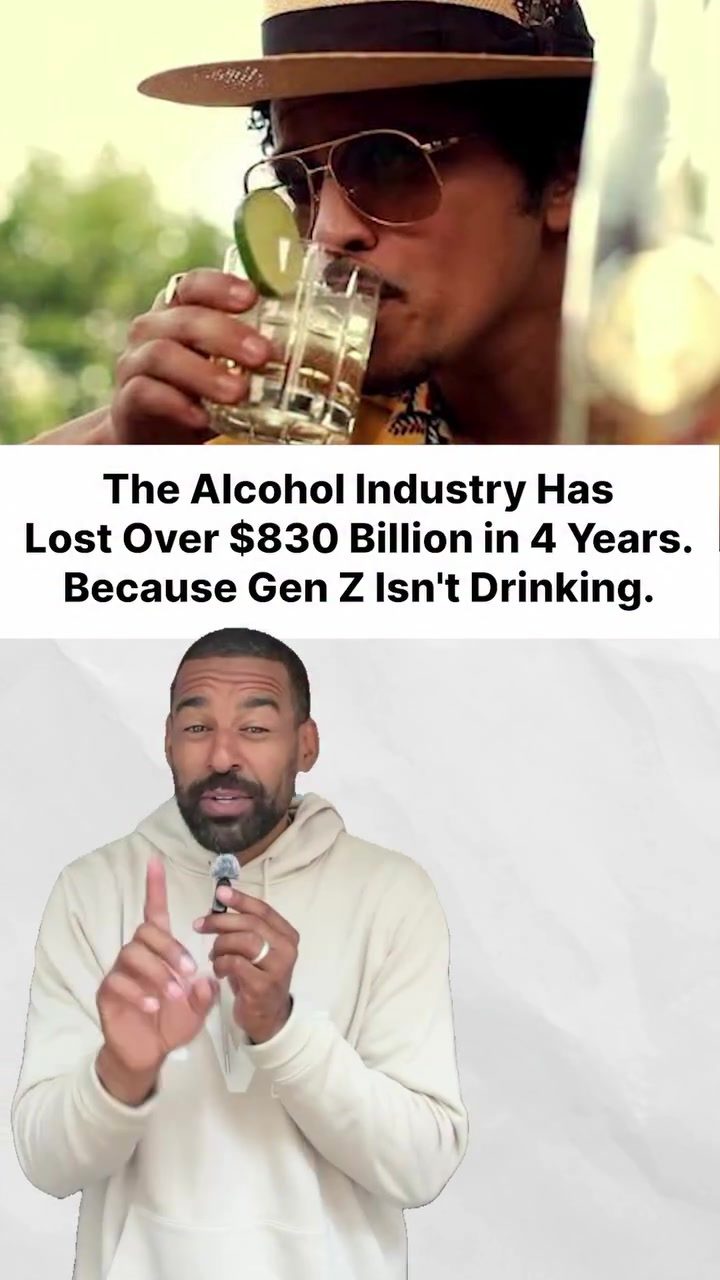
The alcohol industry has faced significant shifts in recent years, losing over $830 billion in four years. This dramatic decline is largely attributed to changing consumption habits among Gen Z, who are increasingly opting for alternatives. Three key categories are emerging to fill this void: low-dose THC products, functional beverages, and nootropics. These three categories, though distinct, are all vying for the same desired effect—the feeling associated with the first beer.
Why This Matters
The alcohol industry's losses are not just about declining sales; they reflect a broader cultural shift. The no-alcohol and functional beverage market is projected to hit $1.52 trillion by 2026, indicating a significant demand for alternatives. This trend is driven by a growing awareness of the health implications of excessive alcohol consumption and a desire for more controlled, predictable experiences.
The Changing Landscape of Mind-Altering Beverages
The Appeal of the First Beer Buzz
The first beer buzz—a moment when shoulders relax, conversation flows, and the stress of the day disappears—is what many consumers are actually chasing. Alcohol, however, is notoriously imprecise. One drink might get you there, but the next few can take you somewhere unintended. This lack of precision is where the new wave of mood-enhancing products, including low-dose THC, functional beverages, and nootropics, come in.
Low-Dose THC
Low-dose THC products offer a more controlled way to achieve a relaxed state without the unpredictable effects of alcohol. These products often contain cannabidiol (CBD) and small amounts of tetrahydrocannabinol (THC), providing a milder, more manageable high. Cannabis beverages, for instance, are growing at a rate of 17% annually, indicating a strong market interest.
Functional Beverages
Functional beverages are designed to enhance mood and performance without the downsides of alcohol. These beverages often include ingredients like adaptogens, vitamins, and herbs that promote relaxation, focus, or energy. Non-alcoholic beer, for example, has seen a 22% increase in purchases, showing that consumers are actively seeking out alcohol-free alternatives.
Nootropics
Nootropics, or "smart drugs," are substances that enhance cognitive function. These can include supplements like L-theanine, which promotes relaxation, or caffeine, which boosts alertness. Nootropics offer a way to dial in exactly how you want to feel, whether that's more focused, less stressed, or more social, without the hangover or loss of control associated with alcohol.
The Precision Era
Precision Over Intoxication
Instead of maximizing intoxication, these new products are optimizing dosage. They help you dial in exactly how you want to feel—calmer, more social, more focused, or less stressed—without sacrificing your next day. This precision is a significant draw for consumers who want to change their state of mind predictably and intentionally.
Market Shifts
The biggest winners over the next decade won't just take market share from beer, wine, and spirits. They'll become the new default for changing your state of mind. This shift is not just about replacing alcohol; it's about offering a more controlled, intentional experience. Whether it's a low-dose THC beverage for relaxation, a functional drink for focus, or a nootropic for enhanced cognitive performance, these products are designed to meet specific needs without the downsides of alcohol.
Practical Tips for Exploring These Alternatives
Start Slow
If you're new to low-dose THC, functional beverages, or nootropics, start with a small dose. These products can have varying effects, and it's important to find what works best for you. Pay attention to how different doses affect you and adjust accordingly.
Read Labels
Always read the labels to understand what you're consuming. Look for ingredients that align with your goals, whether that's relaxation, focus, or energy. Be aware of any potential allergens or interactions with other substances.
Consult a Professional
If you're dealing with specific health issues or taking other medications, consult a healthcare professional before trying new mood-enhancing products. They can provide guidance on how these products might interact with your current health regimen.
Important Takeaways
The Future is Precise
We're entering an era where precision in mood enhancement is key. The days of relying on alcohol for relaxation or social lubrication are waning, replaced by a desire for more controlled, predictable experiences. Low-dose THC, functional beverages, and nootropics offer a range of options to meet this demand.
Consumer Trends
nearly 65% of Gen Z are actively reducing their alcohol consumption, and 49% of Americans plan to drink less. These trends highlight a growing interest in healthier, more controlled ways to alter mood and performance. As these trends continue, expect to see more innovation and variety in the market.
Market Growth
The no-alcohol and functional beverage market is projected to reach $1.52 trillion by 2026. This growth indicates a significant shift in consumer preferences and a burgeoning market for products that offer precision, control, and intentional experiences.
Conclusion
The alcohol industry's losses signal a broader shift in consumer behavior, driven by a desire for more controlled, intentional experiences. Low-dose THC, functional beverages, and nootropics offer a range of options to meet this demand, providing precise ways to alter mood and performance without the downsides of alcohol. As these trends continue, expect to see more innovation and variety in the market, offering consumers a wealth of choices for enhancing their well-being.
Watch the Reel
Questions readers ask
What are low-dose THC beverages and why are they gaining popularity?
Low-dose THC beverages contain small amounts of tetrahydrocannabinol (THC), the primary psychoactive compound in cannabis. These beverages are gaining popularity due to their potential to offer a milder, more controlled experience compared to traditional alcohol. They appeal to those who want to avoid the intense effects of high-dose THC products or alcohol.
How do functional beverages differ from traditional alcohol and what benefits do they offer?
Functional beverages are designed to provide specific health benefits alongside hydration. They often contain ingredients like vitamins, minerals, adaptogens, or botanicals, unlike traditional alcohol. These drinks can offer improved hydration, boosted energy, and enhanced mental focus. They are attractive to those looking to avoid the negative side effects of alcohol, such as dehydration and fatigue.
What are nootropics and how are they being incorporated into beverages?
Nootropics are natural or synthetic compounds that are believed to enhance cognitive function, including focus, memory, creativity, and motivation. They are being incorporated into beverages as an alternative to alcohol, especially for those who want to maintain mental acuity and productivity. Nootropics can be found in various non-alcoholic drinks, such as functional waters, teas, and coffee.
Why is there a shift in consumption habits among Gen Z towards alcohol alternatives?
Gen Z is increasingly opting for alcohol alternatives due to a combination of factors, including health consciousness, desire for more controlled experiences, and a preference for functional benefits. They are drawn to low-dose THC, functional beverages, and nootropics as these offer a new way to relax or socialize without the adverse effects of alcohol.
What are some examples of non-alcoholic THC drinks and how do they compare to traditional beer?
Examples of non-alcoholic THC drinks include cannabis-infused sodas, sparkling waters, and teas. Compared to traditional beer, these drinks offer a more controlled and predictable experience. They contain only a small amount of THC, allowing users to enjoy the effects without the full intensity of alcohol. THC drinks also come in a variety of flavors and formulations, catering to different tastes and preferences.
What are the predictions for the future of the beverage industry with the rise of these alternatives?
The beverage industry is expected to see significant growth in the non-alcoholic and functional beverage sectors, including low-dose THC beverages. The market for these alternatives is projected to reach $1.52 trillion by 2026. This shift reflects a broader cultural change towards more mindful consumption and a desire for products that offer specific benefits, such as relaxation, focus, or hydration, without the drawbacks of alcohol.
Recent articles
Fresh deep dives from the latest Reels we unpacked.

Comments
Be the first to comment.