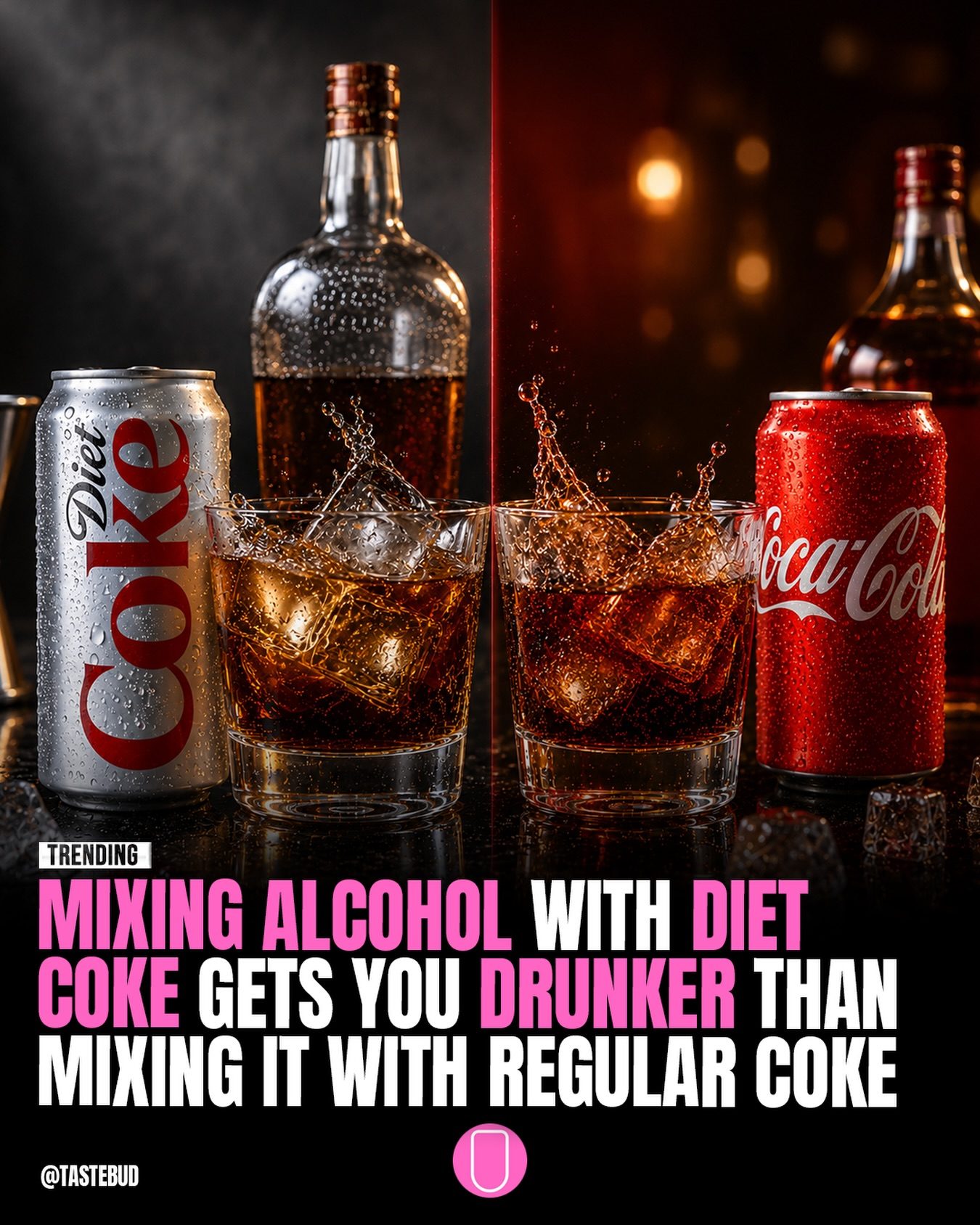
Alcoholic Drinks with Diet Coke
Mixing alcohol with Diet Coke can be a common way to cut calories, but it might not be as straightforward as it seems. Recent findings indicate that drinks made with diet soda can lead to higher alcohol levels in your system compared to those made with regular soda. This is due to how sugar affects the absorption of alcohol in the body. Understanding this interaction can help you make more informed decisions about your drink choices.
Why This Matters
When you choose alcohol with Diet Coke over regular soda to save on calories, you might be unwittingly increasing the absorption rate of alcohol into your bloodstream. This could lead to higher blood alcohol levels and potentially more significant impacts on your body and behavior. Unlike regular soda, the lack of sugar in diet soda doesn't slow down the rate at which alcohol is absorbed, causing the effects of the alcohol to hit faster and potentially stronger.
The Science Behind the Absorption
Sugar as a Barrier
When you consume regular soda mixed with alcohol, the sugar in the soda acts as a buffer. It slows down the rate at which alcohol is absorbed into your bloodstream. This delay helps to spread out the effects of the alcohol over a longer period, giving your body more time to process it.
Diet Soda and Faster Absorption
In contrast, diet soda contains artificial sweeteners instead of sugar. These substitutes do not slow down the absorption of alcohol. Consequently, the alcohol is absorbed more quickly, leading to a faster rise in your blood alcohol concentration (BAC). This rapid increase can make you feel the effects of the alcohol more intensely and sooner than expected.
Perceived Intoxication
An interesting finding is that people who consume alcohol mixed with diet soda report feeling less intoxicated than those who drink the same amount of alcohol mixed with regular soda. This perception can lead to a dangerous situation. People may drink more without realizing how impaired they actually are, increasing the risk of accidents, poor decision-making, and other alcohol-related issues.
Alcohol Absorption Rates
For those who enjoy alcoholic beverages with soda, the amount of sugar in the soda can greatly influence the absorption rate of the drink. Here is a quick comparison:
- Alcohol with Regular Coke: The sugar content in regular Coke acts as a buffer, slowing down the absorption of alcohol. This results in a slower rise in blood alcohol concentration, giving the body more time to process the alcohol.
- Alcohol with Diet Coke: The lack of sugar in Diet Coke means there is no barrier to slow down the absorption of alcohol. This leads to a faster rise in blood alcohol concentration, which could result in feeling the effects of the alcohol more quickly and potentially more intensely.
Practical Implications
If you are trying to cut calories by mixing your alcohol with diet soda, it is essential to be aware of these factors. Knowing that the effects of alcohol may hit you faster and potentially stronger can help you make better decisions about how much and how quickly you consume these drinks. This awareness can also help you avoid overconsumption and the associated risks.
Practical Tips
Measure Your Drinks
When mixing alcohol with diet soda, it's even more critical to keep track of the total amount of alcohol you are consuming. Since the effects of alcohol may hit you faster, it's easy to lose track of how much you've had. Use measuring cups or shot glasses to accurately portion your drinks.
Stay Hydrated
Drinking plenty of water throughout the night can help dilute the alcohol in your system and give your body more time to process it. This can help mitigate the faster absorption rate of alcohol when mixed with diet soda.
Alternatives to Diet Soda
If you are looking to cut calories but want to avoid the faster absorption rate of alcohol, consider mixing your alcohol with regular soda or other drinks that contain sugar. If you want to avoid sugar altogether, you can also mix your alcohol with sparkling water and a squeeze of lime or lemon.
Important Takeaways
Mixing alcohol with Diet Coke can lead to higher and faster blood alcohol levels due to the lack of sugar slowing down the absorption. This effect can make you feel less intoxicated, leading to potential overconsumption and increased risks. Being aware of these factors can help you make safer and more informed decisions about your drink choices. Always remember to drink responsibly and be mindful of how different mixers can affect the impact of alcohol on your system.
Conclusion
Choosing between regular soda and diet soda as a mixer for alcohol isn't just about calorie counting. The type of soda can significantly affect how quickly and intensely you feel the effects of alcohol. By understanding the science behind alcohol absorption and being mindful of your drink choices, you can enjoy your beverages more safely and responsibly.
Watch the Reel
Questions readers ask
Does mixing alcohol with diet soda affect how quickly I get drunk?
Yes, alcohol mixed with diet soda can lead to quicker intoxication. Diet sodas lack sugar, which can speed up the absorption of alcohol into your bloodstream, potentially resulting in higher blood alcohol levels and more pronounced effects.
How does sugar in regular soda impact alcohol absorption?
The sugar in regular soda slows down the absorption of alcohol. This is because sugar takes time to digest, which delays the release of alcohol into your bloodstream and can help mitigate the immediate effects of alcohol.
Is it true that diet sodas have fewer calories than regular sodas, but could lead to higher intoxication?
Indeed, diet sodas are lower in calories compared to regular sodas. However, this advantage comes with a trade-off: the lack of sugar in diet sodas can accelerate the rate at which alcohol is absorbed, potentially leading to higher levels of intoxication.
Why does the absorption rate of alcohol differ between diet and regular sodas?
The difference in absorption rates is primarily due to the presence of sugar. Regular soda contains sugar, which slows down the rate at which alcohol is released into your bloodstream. In contrast, diet soda lacks this sugar, allowing alcohol to be absorbed more quickly.
Can using diet soda in mixed drinks help with cutting calories?
Yes, using diet soda in mixed drinks can help you cut calories. However, it is important to be aware that the lack of sugar can result in faster alcohol absorption and potentially stronger effects. Therefore, it is advisable to consume these drinks responsibly and be mindful of the potential implications on your alcohol tolerance and behavior.
How are blood alcohol levels affected by the type of soda mixed with alcohol?
Blood alcohol levels can be higher when alcohol is mixed with diet soda compared to regular soda. This is because diet soda does not contain sugar, which means the alcohol is absorbed into the bloodstream more quickly, resulting in higher blood alcohol levels.
Related deep dives
Similar reads based on topic and creator.


Recent articles
Fresh deep dives from the latest Reels we unpacked.




Comments
Be the first to comment.