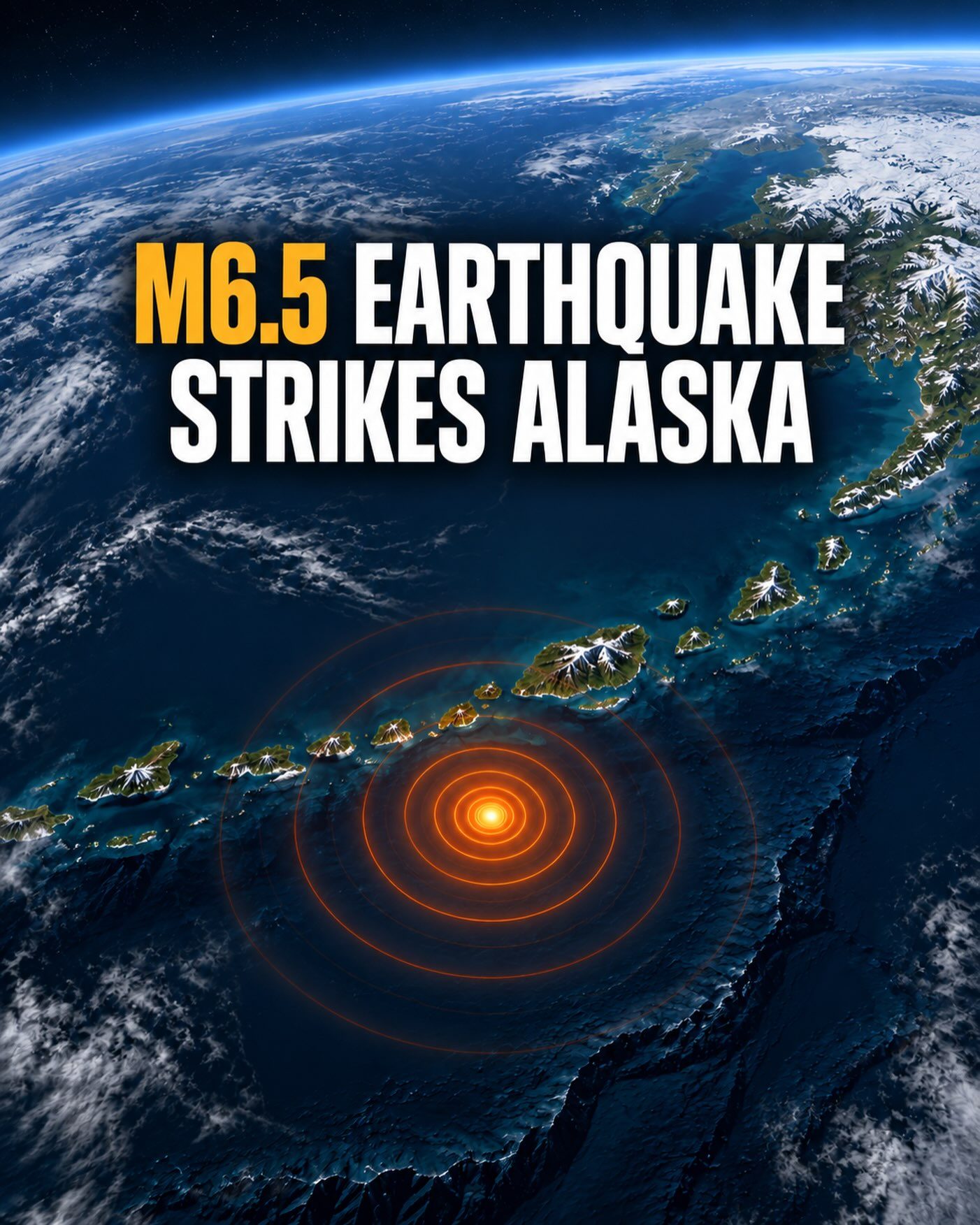
The Uneasy Ground of Alaska
Seismologists across North America have seen visual overlays that denote earthquakes across Alaska, predicting that a new one is on its way soon. The recency of seismic activity at 6.5 magnitude is poised to be an area of continued attention. In January a similar earthquake was detected in the same area. This similar pattern of earthquake activity suggests that the ongoing process of plate tectonics under the state’s terrain is particularly active. The magnitude of 6.5 is high on the Richter scale, but it is not unprecedented in Alaska.
Behind the Epicenter
The Aleutian Arc, a region responsible for the ‘earthquake belt’ due to earthquakes along the Pacific Rim. Alaska's location and underlying geology are responsible for seismic activity. The movement of tectonic plates creates tension. This tension, once released, produces shockwaves from the epicenter outward. The release of seismic energy is a reminder of the dynamic nature of the Earth's crust and mantle. While the earthquake's epicenter is a point on the Alaskan coastline, the impact extends beyond the initial strike. Energy waves travel through the Earth's layers. A shaking sensation is due to the displacement of the earth's crust. Local communities are affected and react, from the local ground to that further afield. States of readiness are key.
The Rung of Natural Disasters
Fastened to this, Alaska experiences multiple types of natural disasters, including earthquakes, volcanic activity, and tsunamis. The interaction between the Pacific Plate and the North American Plate underneath forms a subduction zone. In fact, nearly all of the world's most powerful earthquakes occur along this zone. Living around zones with earthquakes needs a readiness to respond. This requires infrastructure built to withstand such events, including earthquake-resistant buildings, early warning systems, and emergency response protocols. As such, the seismic activity in Alaska is not just a geological phenomenon; it is a part of life.
Preparing for the Aftermath
The resilience of the Alaskan people is reflected in their readiness for the next major seismic event. The state has implemented stringent building codes that require structures to withstand significant seismic activity. The aftermath of such an event is critical to mitigating loss, and the state continues to improve its disaster response systems. As such, the resilience of the people of Alaska is both a state of mind and a strategic preparedness for the ever-present potential of earthquakes.
Watch the Reel
Related deep dives
Similar reads based on topic and creator.


Recent articles
Fresh deep dives from the latest Reels we unpacked.



Comments
Be the first to comment.