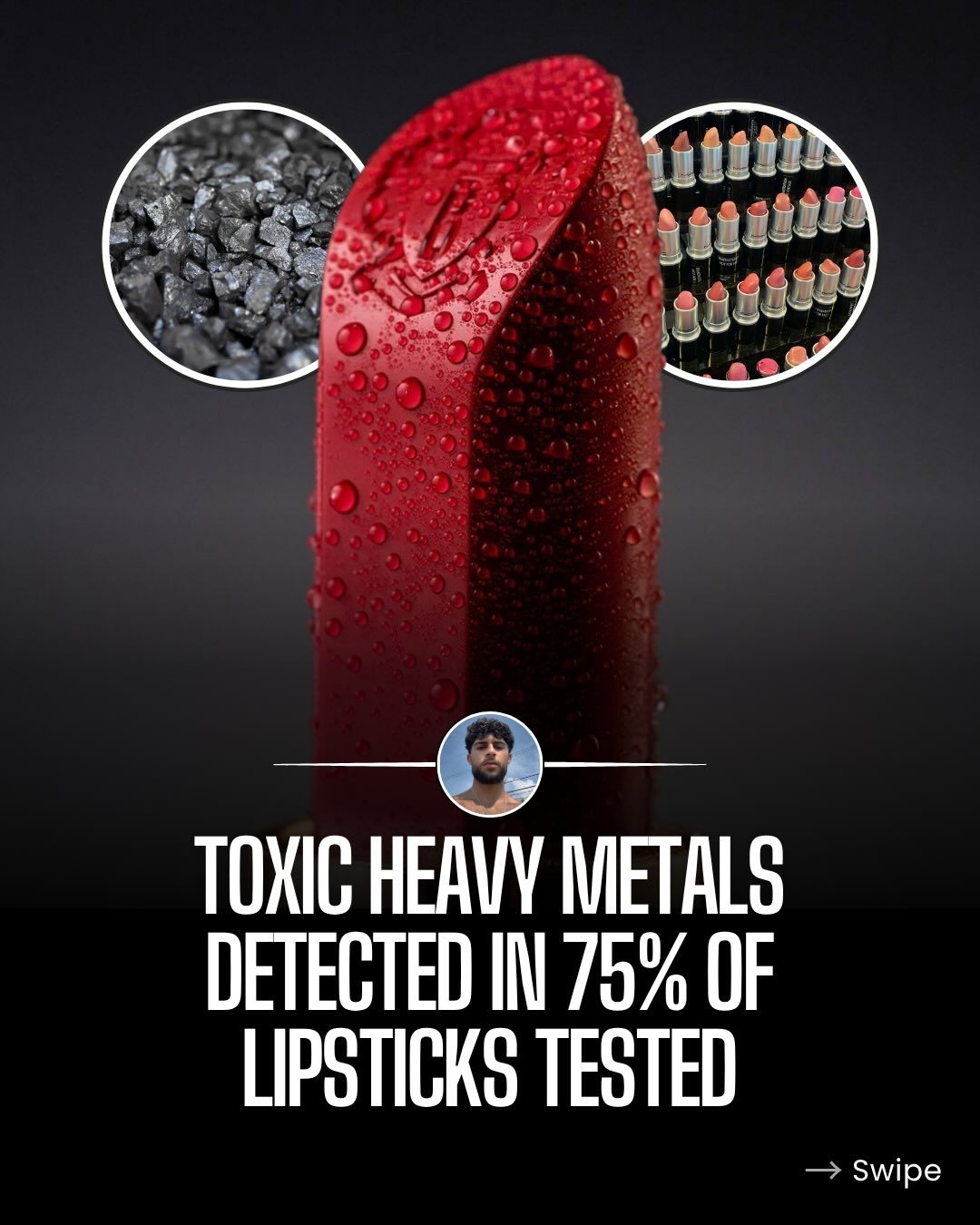
Toxic Heavy Metals in Lipstick
Lipstick is a staple in many people's makeup routines, but recent findings reveal a concerning issue: the presence of toxic heavy metals, specifically lead. This problem is exacerbated by the fact that users may inadvertently ingest some of the product. Understanding the extent and implications of this issue is crucial for anyone who uses lipstick regularly.
Why This Matters
The consumption of lipstick, whether intentional or not, can have significant health implications. Studies have shown that a woman may unintentionally ingest about three pounds of lipstick over her lifetime. This ingestion can lead to the accumulation of toxic metals in the body, posing particular risks to women of childbearing age.
Lead in Lipstick: The Facts
Prevalence and Regulations
Lead has been detected in 75 percent of 32 lipsticks and lip glosses tested. Alarmingly, about half of these samples exceeded the recommended maximum lead level set for candy by the FDA. This highlights a stark contrast in regulations between Europe and the United States. In Europe, toxic metals in cosmetics are tightly regulated, whereas in the U.S., there is less stringent oversight.
Health Risks
The health risks associated with lead ingestion are particularly concerning for women who are or plan to become pregnant. Lead can accumulate in the bones and be released into the bloodstream during pregnancy, potentially passing through to the placenta or into breast milk. This poses significant risks to both the mother and the developing fetus.
Types and Shades
Not all lip products are created equal when it comes to lead contamination. Lip glosses tend to have higher lead content than lipsticks. Additionally, orange and pink shades are more likely to contain higher levels of lead compared to red, brown, or purple shades. Cheaper products, those sold for less than five dollars each, are often the most contaminated.
The Science Behind the Numbers
Ingestion Estimates
The amount of lead ingested from lipstick can vary widely. A scientists-for-hire firm estimated that an adult would need to apply lipstick more than 30 times a day to raise their blood lead level to the most stringent limits. However, this estimation was based on lipstick having only one to three parts per million (ppm) of lead. By 2016, the average lead content in lipsticks found was nearly 500 ppm, with 10 percent exceeding 1,000 ppm and some samples reaching up to 10,000 ppm.
Regulatory Limits
Currently, the limit for lead in lipstick in the United States is 20 ppm. In Canada, this limit was lowered to 10 ppm a decade ago, a move the FDA is considering. However, without strict enforcement, these limits may not make a significant difference in consumer safety.
Practical Tips
Given the prevalence of lead in lipstick, it's essential to take proactive steps to minimize exposure:
Choose Safer Brands
Opt for brands that have committed to lower lead levels in their products. Look for certifications and third-party testing that ensure the product meets stringent safety standards.
Be Aware of Shades
Avoid shades that are more likely to contain higher levels of lead, such as orange and pink. Stick to safer shades like red, brown, and purple.
Consider Alternative Products
If you're concerned about lead exposure, consider using lip products with lower application frequencies or those that are less likely to be ingested, such as lip stains or tinted lip balms.
Check Labels
Look for products that are labeled as lead-free or have undergone rigorous testing for heavy metal contamination. Always check the ingredient list for any potential contaminants.
Limit Application
Reduce the frequency of lipstick application to minimize the amount of product ingested. This is particularly important for women who are pregnant or planning to become pregnant.
Important Takeaways
- Lead has been detected in 75 percent of lipsticks and lip glosses tested.
- Half of the samples exceeded the FDA's recommended maximum lead level for candy.
- Lip glosses and certain shades, particularly orange and pink, tend to have higher lead content.
- Cheaper products are often more contaminated.
- Lead accumulation can pose significant health risks, particularly for women of childbearing age.
- Regulations regarding toxic metals in cosmetics differ between Europe and the United States.
- Choose safer brands, be aware of shades, consider alternative products, check labels, and limit application to minimize lead exposure.
Conclusion
The presence of toxic heavy metals, particularly lead, in lipstick is a significant concern. Understanding the risks and taking proactive steps to minimize exposure is crucial for anyone who uses lip products regularly. By choosing safer brands, being mindful of shades, and limiting application, consumers can reduce their exposure to these harmful contaminants. Stay informed and make choices that prioritize your health and well-being.
Watch the Reel
Questions readers ask
Which lipstick shades are more likely to contain high levels of lead?
Shades of orange and pink are more likely to contain higher levels of lead. This is due to the specific pigments used to achieve these colors, which may contain more lead than those used in other shades.
How does the quality of a lipstick affect its lead content?
Lower-quality lipsticks tend to have higher levels of lead. This is often due to less stringent quality control measures and the use of cheaper, potentially more contaminated ingredients.
What are the health risks associated with lead in lipstick?
Ingesting lead through lipstick can lead to a buildup of this toxic metal in the body. This is particularly concerning for women of childbearing age, as it can pose risks to both maternal and fetal health.
How much lipstick does the average person consume over their lifetime?
The average woman may unintentionally ingest about three pounds of lipstick over her lifetime. This is due to the normal transfer of lipstick to surfaces like skin, cups, and cigarettes during daily use.
What regulations does the FDA have regarding lead in lipstick?
The FDA sets a limit of 10 parts per million (ppm) for lead in lipstick. While this limit aims to mitigate the risk, some products still exceed this threshold, and enforcement can be inconsistent.
Are there effective ways to minimize exposure to lead in lipstick?
Choosing high-quality lipsticks and opting for shades that are less likely to contain high levels of lead, such as red or brown, can help minimize exposure. Additionally, being mindful of lipstick application and avoiding excessive use can reduce the risk of ingestion.
Recent articles
Fresh deep dives from the latest Reels we unpacked.




Comments
Be the first to comment.