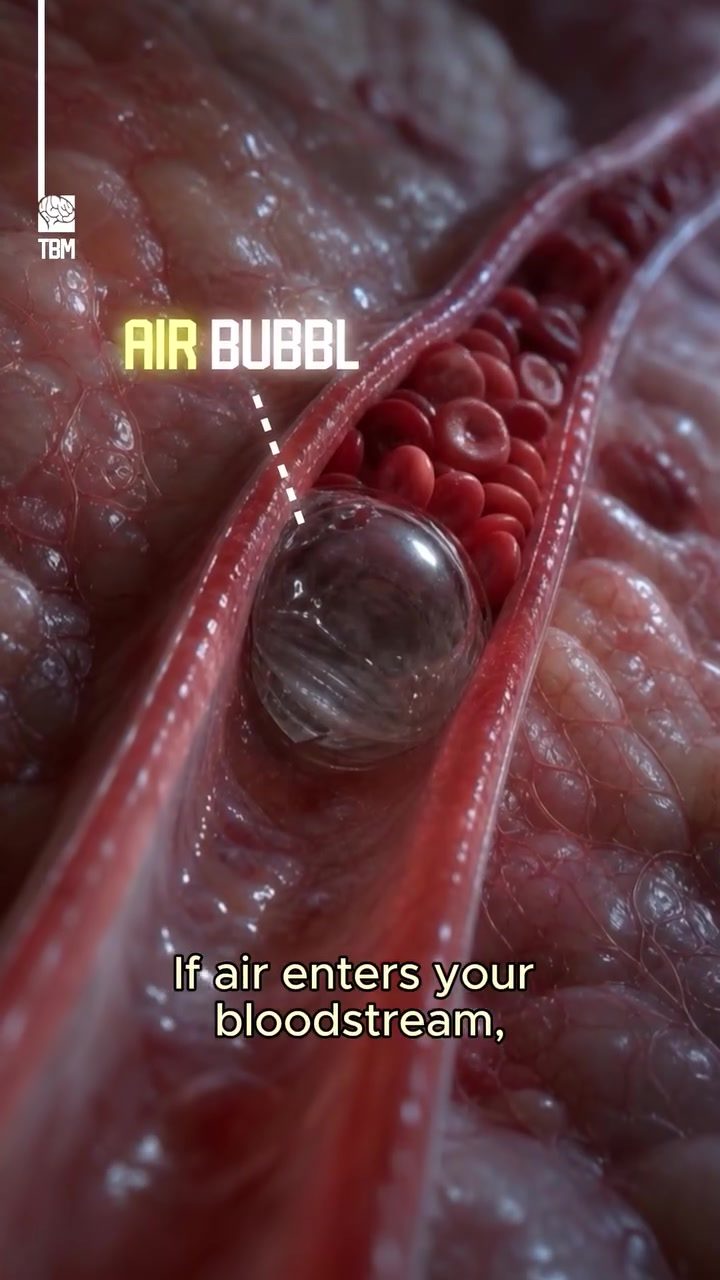
Air Bubbles in the Bloodstream
Air bubbles entering the bloodstream might seem like a minor issue, but they can disrupt circulation and cause serious complications. This phenomenon, known as an air embolism, can happen due to various reasons, and its effects can be swift and dangerous. Understanding the mechanisms and risks associated with air bubbles in the bloodstream is crucial for recognizing the signs and seeking timely medical intervention.
Why This Matters
Air bubbles in the bloodstream can cause immediate and severe health problems. They can obstruct blood flow, leading to tissue damage and even death if not treated promptly. Knowing the causes, effects, and treatments of air embolisms is essential for both medical professionals and individuals at risk, such as scuba divers and those undergoing certain medical procedures.
Understanding Air Embolisms
The Path of an Air Bubble
When an air bubble enters the bloodstream, it travels through the vessels until it reaches a point too narrow to pass. At this point, the bubble becomes trapped, obstructing the flow of blood. This blockage prevents oxygen from reaching the tissues on the other side, leading to tissue damage or death if not resolved quickly.
Common Sites of Blockage
Air bubbles can become lodged in various parts of the body, each with its own set of complications:
- Lungs: If an air bubble lodges in the lungs, it can make breathing difficult. This is because the bubble displaces blood in the pulmonary vessels, reducing the lung's ability to oxygenate the blood.
- Heart: If an air bubble reaches the heart, it can disrupt the heart's ability to pump blood effectively, leading to stroke-like symptoms within minutes.
- Brain: Air bubbles can also travel to the brain, causing a stroke. The brain is particularly sensitive to oxygen deprivation, and even a small air bubble can lead to significant neurological damage.
Causes of Air Embolisms
Air embolisms can be caused by several factors, including:
- Serious Injuries: Traumatic injuries, particularly those involving the chest or blood vessels, can introduce air into the bloodstream.
- Medical Procedures: Certain medical procedures, such as surgeries or the placement of intravascular catheters, can inadvertently introduce air into the blood vessels.
- Scuba Diving: Rapid ascent during scuba diving can cause nitrogen to form bubbles in the bloodstream, leading to decompression sickness. Once these bubbles form, they can cause similar effects as an air embolism.
Treatments for Air Embolisms
Immediate Actions
The primary goal of treating an air embolism is to restore blood flow as quickly as possible. Several methods are employed to achieve this:
- Administration of 100% Oxygen: High concentrations of oxygen help to dissolve the air bubble, reducing its size and allowing normal circulation to resume.
- Stabilization of the Patient: Medical professionals focus on stabilizing the patient's condition, ensuring that vital signs are monitored and managed appropriately.
Advanced Treatments
In severe cases, more advanced treatments may be necessary:
- Hyperbaric Oxygen Therapy: This treatment involves placing the patient in a hyperbaric chamber, where the increased pressure helps to shrink the air bubble, allowing normal circulation and oxygen delivery to return.
- Surgery: In some cases, surgical intervention may be required to remove the air bubble or repair the damaged blood vessels.
Practical Tips for Prevention
For Scuba Divers
- Controlled Ascent: Always ascend slowly and follow safe diving protocols to prevent decompression sickness.
- Safety Stops: Incorporate safety stops during your ascent to allow your body to off-gas safely.
- Monitor Decompression: Use a dive computer to monitor your decompression status and follow the recommended ascent profile.
For Medical Patients
- Awareness: Be aware of the risks associated with certain medical procedures and discuss them with your healthcare provider.
- Follow Protocols: Ensure that all medical professionals involved in your care follow strict protocols to minimize the risk of air embolisms.
For Individuals at Risk
- Avoid Trauma: Take precautions to avoid injuries that could introduce air into the bloodstream.
- Regular Check-ups: Regular medical check-ups can help identify and manage conditions that may increase the risk of air embolisms.
Important Takeaways
Air bubbles in the bloodstream are a serious medical condition that can lead to severe complications if not treated promptly. Understanding the causes, effects, and treatments of air embolisms is crucial for preventing and managing this condition. By following safety protocols and seeking timely medical intervention, the risks associated with air bubbles in the bloodstream can be mitigated.
Conclusion
Air bubbles in the bloodstream can cause immediate and severe health problems. Whether it's through traumatic injury, medical procedures, or scuba diving, the presence of air in the bloodstream can disrupt circulation and lead to tissue damage. By understanding the mechanisms behind air embolisms and taking preventive measures, individuals can reduce their risk and seek the appropriate medical care if needed.
Watch the Reel
Questions readers ask
What are the most common causes of air embolisms in scuba divers?
Air embolisms in scuba divers typically occur due to rapid ascents or holding one's breath during ascent, which can cause nitrogen bubbles to form in the bloodstream. This condition is often associated with decompression sickness, commonly known as 'the bends.' Other factors like equipment malfunctions or panic situations can also contribute to the risk.
How do air embolisms affect the body?
Air embolisms can obstruct blood vessels, preventing oxygen from reaching vital organs and tissues and leading to tissue damage. This can result in symptoms like joint pain, skin rashes, neurological issues, or even stroke. The severity depends on the size and location of the blockages.
What should a diver do if they suspect an air embolism?
If a diver suspects an air embolism, they should immediately stop the dive and ascend safely, if possible. They should seek immediate medical attention and inform healthcare providers about the dive details, including depth, time, and symptoms. Emergency response protocols specific to diving-related injuries should be followed.
Can air embolisms occur during medical procedures?
Yes, air embolisms can occur during certain medical procedures, such as surgeries or invasive diagnostic tests. They may happen if air enters the bloodstream through open blood vessels or if air is accidentally injected. Prompt recognition and treatment are crucial to prevent severe complications.
What are the initial signs of an air embolism?
Initial signs of an air embolism can include sudden onset of joint pain, skin rash, or neurological symptoms like dizziness, confusion, or numbness. In severe cases, symptoms may progress to paralysis, stroke, or even cardiac arrest. Immediate medical intervention is essential to minimize tissue damage and blockage.
How are air embolisms treated in medical settings?
Treatment for air embolisms typically involves hyperbaric oxygen therapy, which uses high-pressure oxygen to reduce the size of air bubbles and promote healing. Other supportive measures may include fluid management, pain control, and addressing any underlying conditions. The goal is to restore blood flow and prevent further tissue damage.
What are the risks of decompression sickness for scuba divers?
Decompression sickness, also known as 'the bends,' occurs when dissolved gases (like nitrogen) form bubbles in the body as a diver ascends. This can lead to air embolisms and cause symptoms ranging from mild discomfort to severe neurological issues. Divers can minimize this risk by following safe diving practices, such as controlled ascents and safety stops.
Recent articles
Fresh deep dives from the latest Reels we unpacked.




Comments
Be the first to comment.