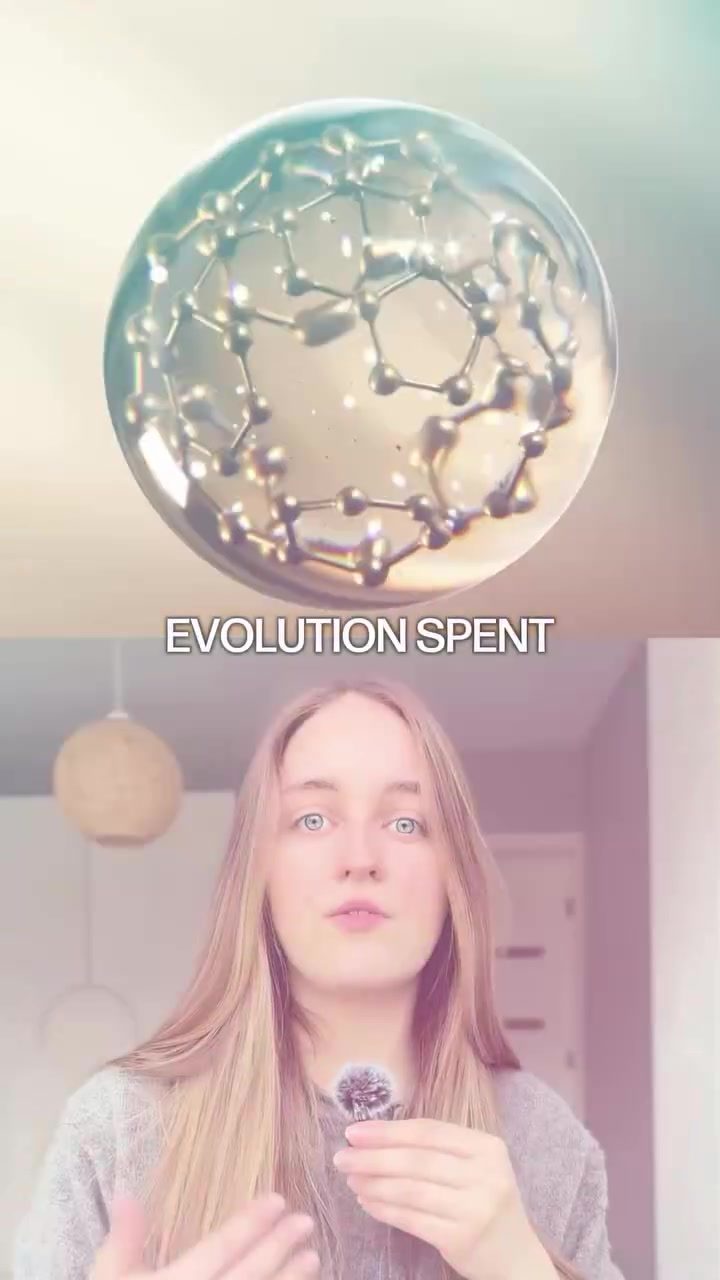
AI in Protein Design: A New Era in Biotech
David Baker, a pioneer in the field of protein design, won the 2024 Nobel Prize in Chemistry for his breakthrough development of RF Diffusion, an AI that can design proteins from scratch. This technology marks a significant leap forward in biotechnology, potentially accelerating drug discovery and targeting previously undruggable diseases in ways that nature never could.
Why This Matters
Proteins are essential molecular machines that run our bodies. Every immune response, cellular repair, and drug interaction relies on proteins. Traditionally, drugs work by finding and attaching to specific proteins. However, many diseases are caused by proteins that are difficult or impossible to target with existing drugs, earning them the label "undruggable." The ability to design new proteins tailored to these challenges represents a profound change in how we approach medicine and biotechnological innovation.
The Evolutionary Advantage
Evolution has spent roughly 4 billion years perfecting proteins through random mutations. This process, while effective, is slow and limited by the constraints of natural selection. AI, on the other hand, can generate entirely new proteins in a fraction of the time. These proteins do not exist anywhere in nature, offering a vast array of potential new solutions.
The Power of RF Diffusion
RF Diffusion, developed by David Baker and his team, is a groundbreaking AI that can generate proteins from scratch. It operates similarly to image-generating AI, where a target is given, and the AI designs a protein to bind to it. This technology has significantly improved success rates, jumping from under 10% to over 80%.
Revolutionary Applications
-
Targeting Undruggable Diseases: RF Diffusion can design proteins that target diseases previously considered impossible to treat. For example, Baker's lab has designed proteins that can silence cancer drugs on command, neutralize snake venom, and hit targets that were previously inaccessible.
-
New Medicines: The ability to design proteins from scratch opens up new avenues for drug discovery. Custom-designed proteins can be used to develop more effective and targeted treatments for a wide range of diseases.
-
Beyond Medicine: The applications of RF Diffusion extend beyond medicine. These proteins can be used in various industries, from agriculture to environmental science, offering solutions to problems that evolution has never encountered.
Practical Tips for Understanding AI in Protein Design
Stay Informed
The field of protein design is rapidly evolving, with new breakthroughs happening regularly. Staying informed about the latest developments can help you understand the potential impacts and opportunities in this area.
Engage with the Community
Join online forums, attend conferences, and engage with experts in the field. The protein design community is collaborative and eager to share knowledge and ideas. Engaging with this community can provide valuable insights and opportunities for collaboration.
Explore Educational Resources
There are numerous resources available for learning more about protein design and AI. Online courses, research papers, and tutorials can help you deepen your understanding of this fascinating field.
Important Takeaways
Accelerating Drug Discovery
The ability to design proteins from scratch accelerates drug discovery, allowing researchers to target diseases that were previously considered untreatable. This breakthrough has the potential to revolutionize medicine and improve the lives of millions of people worldwide.
Expanding Beyond Medicine
The applications of protein design extend far beyond medicine. These new proteins can be used in various industries, from agriculture to environmental science, offering solutions to problems that nature has never encountered.
A New Chapter for Our Species
AI's ability to design proteins from scratch represents a new chapter for our species. By removing the constraints of natural selection, we can design solutions to problems that evolution has never encountered, opening up a world of new possibilities.
Conclusion
The development of RF Diffusion by David Baker represents a monumental leap forward in protein design. By harnessing the power of AI, researchers can now create proteins that do not exist in nature, offering new solutions to some of the world's most challenging problems. This breakthrough has the potential to revolutionize medicine and beyond, opening up a world of new possibilities and opportunities. As we continue to explore the potential of AI in protein design, we are entering a new era of biotechnology, one that promises to change the way we approach medicine, agriculture, and environmental science.
Watch the Reel
Questions readers ask
What is RF Diffusion technology and how does it work?
RF Diffusion is an AI technology developed by David Baker that designs new proteins from scratch. It uses a process inspired by natural protein evolution, but at an accelerated pace and with specific design goals in mind, such as binding to particular targets.
How does AI protein design help in drug discovery?
AI protein design, like RF Diffusion, helps in drug discovery by creating novel proteins that can target specific molecules involved in diseases. This includes proteins that were previously considered undruggable, opening up new avenues for treating a wide range of conditions.
What are 'undruggable' proteins and why are they challenging?
Undruggable proteins are those that are difficult or impossible to target with conventional drugs. They may lack binding sites for drugs, be too flexible, or have other characteristics that make them hard to interact with using traditional methods. AI protein design offers a new approach to tackle these challenges.
Who is David Baker and what is his contribution to AI in biotechnology?
David Baker is a leading figure in protein design and AI in biotechnology. He was awarded the 2024 Nobel Prize in Chemistry for his work on RF Diffusion, an AI technology that has significantly advanced the field of protein design by enabling the creation of new proteins from scratch.
How does RF Diffusion differ from natural protein evolution?
RF Diffusion mimics natural protein evolution but operates at a much faster pace and with specific design objectives. Unlike natural evolution, which occurs over vast periods, RF Diffusion can generate proteins tailored to precise functions, such as binding to particular targets, in a fraction of the time.
What impact could AI-designed proteins have on drug discovery?
AI-designed proteins could revolutionize drug discovery by enabling the targeting of previously undruggable proteins. This could lead to new treatments for a wide range of diseases, including those that have been resistant to conventional therapeutic approaches.
What are the future implications of AI in protein design for biotechnology?
The future implications of AI in protein design are vast. As technology like RF Diffusion continues to advance, it could lead to the development of more effective and targeted therapies, potentially transforming the way we approach and treat many diseases. This could include both rare and common conditions, making a significant impact on healthcare.
Related deep dives
Similar reads based on topic and creator.

Recent articles
Fresh deep dives from the latest Reels we unpacked.

Comments
Be the first to comment.