AI and Job Layoffs
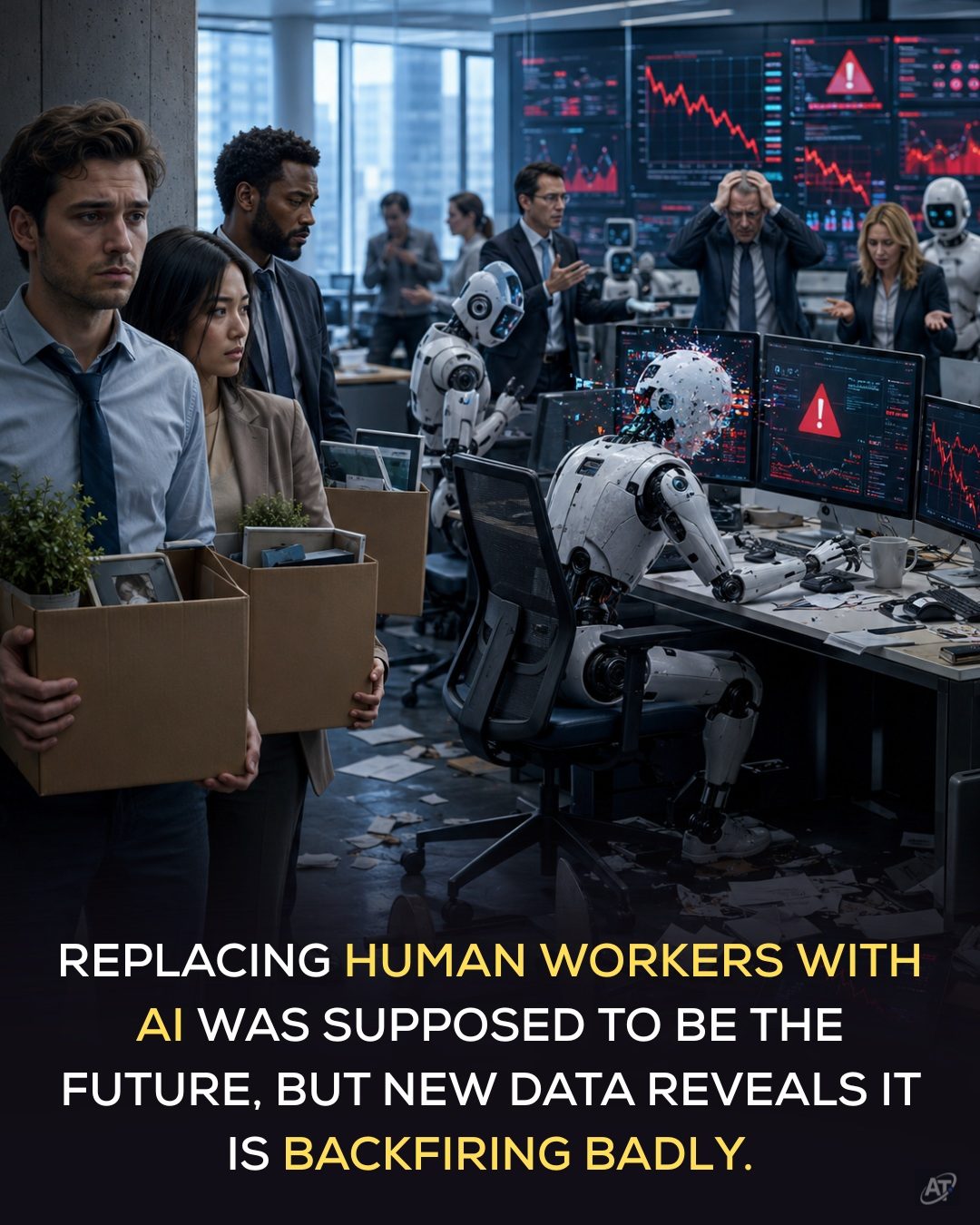
Artificial Intelligence (AI) has long been hailed as the future of automation, promising to increase efficiency and reduce costs. Many companies have hoped that by laying off workers and replacing them with AI, they could see significant financial returns. However, recent research from Gartner suggests that this strategy may not be as effective as initially thought. Companies that have laid off workers in favor of AI have not necessarily seen better returns.
Why this matters
Understanding the impact of AI on the workforce is crucial for both employees and employers. As AI continues to advance, it is important to recognize how it can be used effectively to benefit everyone—rather than treating it as a simple substitute for human labor. This is particularly relevant for businesses aiming to remain competitive in an increasingly automated world.
The Gartner Survey
Gartner surveyed 350 executives from global companies with annual earnings of at least $1 billion, all of whom were already piloting or deploying AI agents, intelligent automation, or other autonomous technologies. The results paint a complex picture of how these advancements have impacted the workforce.
Layoffs and AI Returns
Around 80% of the surveyed companies reported reducing their workforces. However, the companies that achieved stronger returns from AI were almost as likely to have cut staff as those that reported only modest gains or even negative results. This suggests that laying off workers, while it may free up budget, does not necessarily lead to better returns from AI investments.
People Amplification
The strongest results were seen in organizations that focused on "people amplification." This approach involves using AI to give employees tools that help them work faster, make better decisions, and manage increasingly automated systems. These organizations treated AI as an enhancement to human expertise rather than a replacement, resulting in more effective and efficient operations.
The Challenges of AI Adoption
Beyond the financial implications, there are other challenges associated with AI adoption. One of the biggest hurdles is employee resistance. A separate survey by WalkMe, which included 3,750 executives and employees, found that 54% of workers sometimes avoided using company-provided AI tools. Instead, they chose to complete tasks manually. This resistance can slow down the integration of AI and limit its benefits.
Unintended Consequences
One overlooked aspect is the potential loss of institutional knowledge and customer relationships when experienced workers are laid off. Additionally, the absence of skilled personnel can hinder the supervision, correction, and improvement of new systems. Although Gartner’s survey did not directly measure these losses, they are significant factors to consider. This suggests that companies should focus on up skilling their workforce to effectively use the tools rather than just replacing them.
Practical Tips
To maximize the benefits of AI while minimizing risks, consider the following tips:
Upskill Your Workforce
Invest in training programs that help employees understand and utilize AI tools effectively. This approach ensures that your workforce remains valuable and can adapt to new technologies.
Foster a Culture of Collaboration
Encourage a collaborative environment where AI and human intelligence work together. This can lead to more innovative solutions and better overall performance.
Carefully Plan Layoffs
If layoffs are necessary, carefully consider the long-term implications. Try to retain key personnel who possess critical institutional knowledge and customer relationships.
Monitor AI Implementation
Continuously monitor the effectiveness of AI tools and make adjustments as needed. Ensure that AI is being used in a way that complements, rather than replaces, human expertise.
Important Takeaways
The key takeaway from the Gartner research is that simply replacing human workers with AI is not a viable long-term strategy. Instead, companies should focus on integrating AI in a way that amplifies human capabilities. This approach not only enhances efficiency but also helps retain valuable institutional knowledge and customer relationships.
Conclusion
AI has the potential to revolutionize the workplace, but its implementation must be strategic and thoughtful. Companies that view AI as a tool to enhance human capabilities, rather than a replacement for human labor, are more likely to see significant returns. Focusing on people amplification and fostering a collaborative environment will be crucial for success in the age of AI. By doing so, companies can navigate the complexities of AI adoption and ensure a positive impact on both their financial performance and workplace dynamics.
Watch the Reel
Questions readers ask
Why are companies considering AI to replace human workers?
Companies are considering AI to replace human workers primarily to increase efficiency and reduce operational costs. The automation of routine tasks can lead to significant cost savings, making AI an attractive option for businesses looking to optimize their workforce. Additionally, AI can operate continuously without breaks, further enhancing productivity.
What are the unexpected findings on AI replacing workers?
Recent findings from Gartner indicate that companies replacing workers with AI are not necessarily seeing the expected financial benefits. Contrary to initial expectations, merely cutting jobs and introducing AI does not guarantee better returns. Instead, it is often more beneficial to use AI to empower and supplement human workers.
How can companies maximize the benefits of AI in the workplace?
To maximize the benefits of AI in the workplace, companies should focus on integrating AI tools that empower employees, rather than simply replacing them. This involves providing new tools and technology that can assist workers in their tasks, enhancing overall productivity and job satisfaction. By fostering a collaborative environment, companies can leverage the strengths of both AI and human workers.
What are the implications of AI layoffs for the workforce?
AI layoffs can have significant implications for the workforce, including job insecurity and potential skill gaps. As AI continues to advance, it is important for companies to consider strategies that mitigate these impacts, such as reskilling and upskilling programs. By investing in employee development, companies can ensure a smoother transition to AI-enhanced work environments.
What insights do executives have on AI in the workplace?
Executives are increasingly recognizing that AI should not be viewed as a straightforward replacement for human labor. Instead, they are finding that the most effective use of AI involves creating tools that enhance the capabilities of their employees. This shift in perspective is critical for companies aiming to achieve long-term success and sustainability in an AI-driven world.
Related deep dives
Similar reads based on topic and creator.


Recent articles
Fresh deep dives from the latest Reels we unpacked.




Comments
Be the first to comment.