AI Image Generation and Appearance Feedback
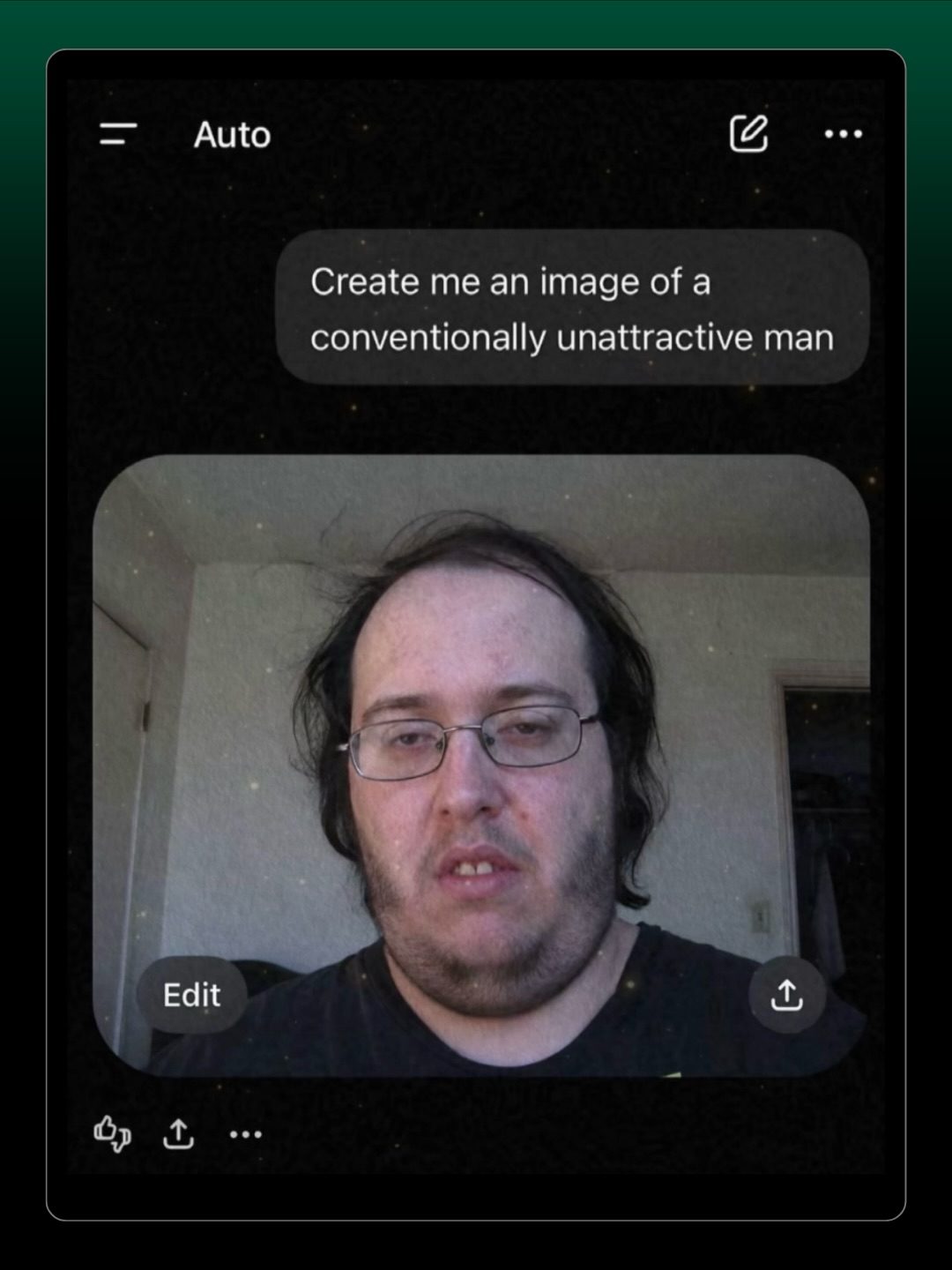
When exploring the capabilities of AI image generators, users often find themselves in a dialogue about appearance. These interactions can reveal some interesting aspects of how AI interprets and evaluates visuals. Recently, a user prompted an AI image generator to create an image of an 'unattractive man' and then asked for feedback on his appearance.
Why This Matters
AI image generators are increasingly popular tools. They allow users to create visuals based on textual prompts, blending technology with creativity. Understanding how AI interprets and responds to these prompts can offer insights into the technology's capabilities and limitations.
How AI Image Generators Work
AI image generators use advanced algorithms to convert textual descriptions into visuals. These algorithms, often based on machine learning models, analyze vast datasets of images and text to understand patterns and relationships. When a user inputs a prompt, the AI generates an image that matches the description as closely as possible.
The User Prompt
In this case, the user prompted the AI to create an image of a 'conventionally unattractive man'. The term 'conventionally' is key here, as it indicates a societal or cultural standard of attractiveness. The AI responded by generating an image of a man with distinct facial features, including a full beard and glasses.
AI Feedback on Appearance
The AI's feedback on the generated image was surprisingly positive. It highlighted several features, noting that the man's glasses suited his face and fit well, that his full beard added character, and that his facial features were balanced overall. The AI also emphasized that appearance is subjective, which is an important point to consider.
Practical Tips for Using AI Image Generators
AI image generators can be powerful tools for creative projects, but there are a few tips to keep in mind to get the most out of them.
Be Specific with Prompts
The more specific your prompt, the better the AI can generate an image that matches your vision. Include details about the subject, setting, and any specific features you want to see.
Experiment with Different Prompts
Don't be afraid to experiment with different prompts to see how the AI responds. Small changes in phrasing can lead to significant differences in the generated image.
Consider the AI's Subjectivity
Remember that AI image generators, like any technology, have limitations. They may not always interpret prompts as intended, and their feedback can be subjective. Take their assessments with a grain of salt and use them as a starting point for your own creative process.
Important Takeaways
The interaction between the user and the AI image generator highlights several key points:
- AI Can Generate Realistic Images: AI image generators are capable of creating highly realistic images based on user prompts. They can interpret and visualize complex descriptions, making them useful for a variety of creative projects.
- AI Feedback is Subjective: The AI's feedback on appearance was positive, highlighting specific features like glasses and beard. This underscores the fact that AI can provide subjective assessments, which can be useful but should not be taken as universal truths.
- AI Image Generators Have Limitations: While AI image generators are powerful tools, they are not perfect. Users should be prepared to refine their prompts and interpret the AI's outputs with a critical eye.
Conclusion
Exploring AI image generation can reveal a lot about the technology's capabilities and how it interprets and evaluates visuals. Users can learn to leverage these tools effectively by being specific with prompts, experimenting with different inputs, and considering the AI's subjectivity. By understanding these aspects, users can harness the power of AI to enhance their creative projects and gain unique insights into appearance and beauty standards.
Watch the Reel
Questions readers ask
How do AI image generators interpret prompts related to appearance and body image?
AI image generators interpret appearance-related prompts based on the data they've been trained on, which can sometimes reinforce existing beauty standards. This means they might generate images that align with societal norms, but they can also be prompted to create diverse and inclusive representations of bodies. Users can experiment with different prompts to explore how the AI interprets and responds to various descriptions of appearance.
Can AI image generators help challenge conventional beauty standards?
Yes, AI image generators can help challenge conventional beauty standards by creating diverse and unique images based on user prompts. Users can actively encourage body positivity by requesting images that feature a wide range of body types, ages, and appearances. This can lead to a broader representation of beauty in AI-generated content, helping to shift societal perceptions.
What role do AI art prompts play in promoting body positivity?
AI art prompts play a significant role in promoting body positivity as they guide the type of content the AI generates. By using prompts that emphasize inclusivity and diversity, users can encourage the creation of images that celebrate various body types. This can help to create a more positive and inclusive visual landscape, fostering a greater acceptance of different appearances.
How can users encourage AI-generated content that supports body positivity?
Users can encourage AI-generated content that supports body positivity by being intentional with their prompts. They should request images that feature a variety of body types, ethnicities, and abilities. Additionally, users can provide positive feedback to the AI when it generates inclusive and diverse images, reinforcing that these types of images are desirable.
What potential biases might users encounter in AI-generated images?
Users might encounter biases in AI-generated images that reflect societal stereotypes or beauty standards. These biases can result in images that are overly idealized or that perpetuate harmful beauty norms. It's important for users to be aware of these potential biases and to actively seek out and promote more inclusive and diverse representations through their prompts.
How do AI image generators respond to negative or critical feedback on appearance?
AI image generators typically respond to negative or critical feedback by attempting to adjust their output based on that feedback. For example, if a user prompts the AI to create an image of an 'unattractive man' and then asks for feedback on his appearance, the AI might generate new images based on the feedback provided. This interaction can reveal how the AI interprets and evaluates visuals, offering insights into its capabilities and limitations.
Related deep dives
Similar reads based on topic and creator.

Recent articles
Fresh deep dives from the latest Reels we unpacked.




Comments
Be the first to comment.