African Exports: Growth, Destinations, and Key Commodities
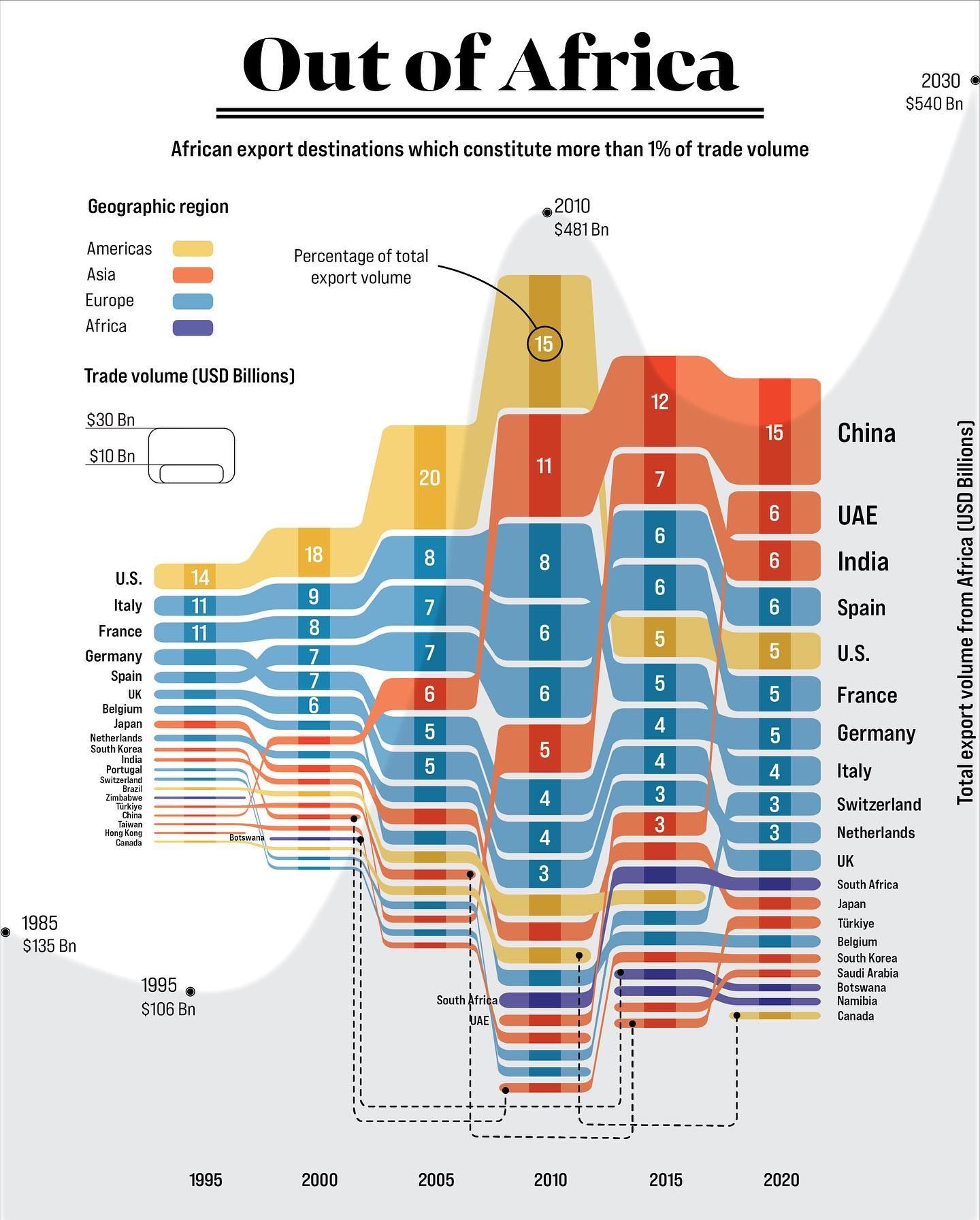
Just under 30 years ago, African exports were valued at $106 billion annually, with the majority of these exports heading to Western nations. By 2020, this figure had more than tripled, with a notable shift in the primary destination of these exports to Asia. This transformation underscores the dynamic nature of international trade and the evolving global market for African commodities.
Context: The Significance of African Exports
The growth in African exports is a testament to the continent's increasing role in the global economy. Understanding the shift in export destinations and the key commodities driving this growth is crucial for grasping the broader implications for international trade and for the economic development of African nations.
Main Discussion
The Shift in Export Destinations
The change in the primary destination of African exports from the West to Asia is a significant development. This shift can be attributed to several factors, including the rapid economic growth of countries like China and India, which have increased their demand for natural resources and commodities. Asian countries have become major importers of African goods, driven by their industrialization and infrastructure development.
Key Commodities Driving African Exports
Much of the value of Africa’s exports is concentrated in natural resources. These include:
- Petroleum: Africa is rich in oil reserves, with countries like Nigeria, Angola, and Algeria being major exporters.
- Gold and Diamonds: These precious metals and stones are key exports, with countries like South Africa, Ghana, and Botswana playing significant roles.
- Natural Gas and Coal: Energy resources are also crucial, with countries like Algeria, Nigeria, and South Africa being major exporters.
- Agricultural Commodities: These include tea, coffee, and cotton, with countries like Kenya, Ethiopia, and Uganda leading in agricultural exports.
These commodities not only contribute significantly to Africa’s export earnings but also shape the continent’s economic landscape and trade relationships.
Top Destinations for African Exports
The top destinations for African exports have evolved over the years. While Europe and North America were once the primary markets, Asia has now emerged as a major destination. Countries like China, India, and Japan have significantly increased their imports from Africa, driven by their demand for raw materials and commodities.
Regional Variations in African Exports
The export landscape varies significantly across different regions in Africa. For instance:
- North Africa: Countries like Egypt and Algeria are major exporters of natural gas and petroleum.
- West Africa: Nigeria and Ghana lead in petroleum and gold exports.
- East Africa: Kenya and Ethiopia are known for their agricultural exports, particularly tea and coffee.
- Southern Africa: South Africa and Botswana are significant exporters of gold, diamonds, and other precious metals.
Each region contributes uniquely to the overall export value, reflecting the diverse natural resources and agricultural products available across the continent.
Practical Tips for Understanding African Exports
For those interested in understanding and engaging with African exports, here are some practical tips:
- Stay Updated on Trade Agreements: Keep track of trade agreements and economic partnerships between African countries and their trading partners. These agreements often shape export trends and opportunities.
- Monitor Commodity Prices: The prices of key commodities like petroleum, gold, and agricultural products can significantly impact export earnings. Monitoring these prices can provide insights into the economic performance of African countries.
- Explore Regional Markets: Different regions in Africa have unique export strengths. Understanding these regional variations can help in identifying specific opportunities and challenges.
- Invest in Infrastructure: Improving infrastructure, such as ports, roads, and energy supply, can enhance the efficiency of export operations and increase the competitiveness of African exports in the global market.
Important Takeaways
- Economic Growth: The significant increase in African exports over the past three decades highlights the continent’s growing economic importance and its role in global trade.
- Shift in Destinations: The shift from Western to Asian markets underscores the changing dynamics of international trade and the increasing demand for African commodities in Asia.
- Key Commodities: Natural resources and agricultural products are the backbone of African exports, driving the continent’s economic growth and development.
- Regional Variations: Understanding the diverse export strengths of different African regions is crucial for grasping the overall export landscape and identifying specific opportunities.
Conclusion
The transformation of African exports over the past three decades is a story of economic growth, shifting trade dynamics, and the increasing importance of key commodities. Whether you are an investor, a policymaker, or simply curious about global trade, understanding the trends and drivers of African exports can provide valuable insights into the continent's economic trajectory and its role in the global market.
Watch the Reel
Questions readers ask
Which commodities have been driving the surge in African exports to Asia?
The primary commodities fueling the export boom from Africa to Asia are natural resources, especially petroleum, gold, and agricultural products. These resources are in high demand due to Asia's rapid industrial growth and infrastructure development.
How have the destinations for African exports changed over the past few decades?
In the early 1990s, most African exports were destined for Western nations. However, over the past few decades, there has been a significant shift, with Asia now receiving the majority of African exports. This is primarily due to Asia's growing demand for natural resources.
What is the current value of African exports and how much has it increased from 30 years ago?
As of 2020, African exports are valued at over $300 billion annually. This represents more than a 300% increase from the value of $106 billion recorded approximately 30 years ago.
How is the shift in African export destinations affecting the continent's global trade role?
The shift in export destinations from Western nations to Asia has reshaped Africa's role in global trade. This change reflects Asia's increasing influence in the global economy and highlights Africa's growing significance as a supplier of key natural resources.
What role do African petroleum exports play in the continent's export boom?
African petroleum exports are a significant driver of the continent's export boom. Countries like Nigeria and Angola are major oil producers, and their exports to Asia have increased substantially due to the region's high demand for energy resources.
Which African countries are the top contributors to the continent's agricultural exports to Asia?
Several African countries contribute significantly to the continent's agricultural exports to Asia, with Nigeria, South Africa, and Kenya being among the top exporters. These countries export a variety of agricultural products, including cocoa, coffee, tea, and various fresh produce, to meet Asia's growing demand.
Recent articles
Fresh deep dives from the latest Reels we unpacked.




Comments
Be the first to comment.